







Baroque Center of Nova Gradiška
Baroque heritage in Slavonian Nova Gradiška
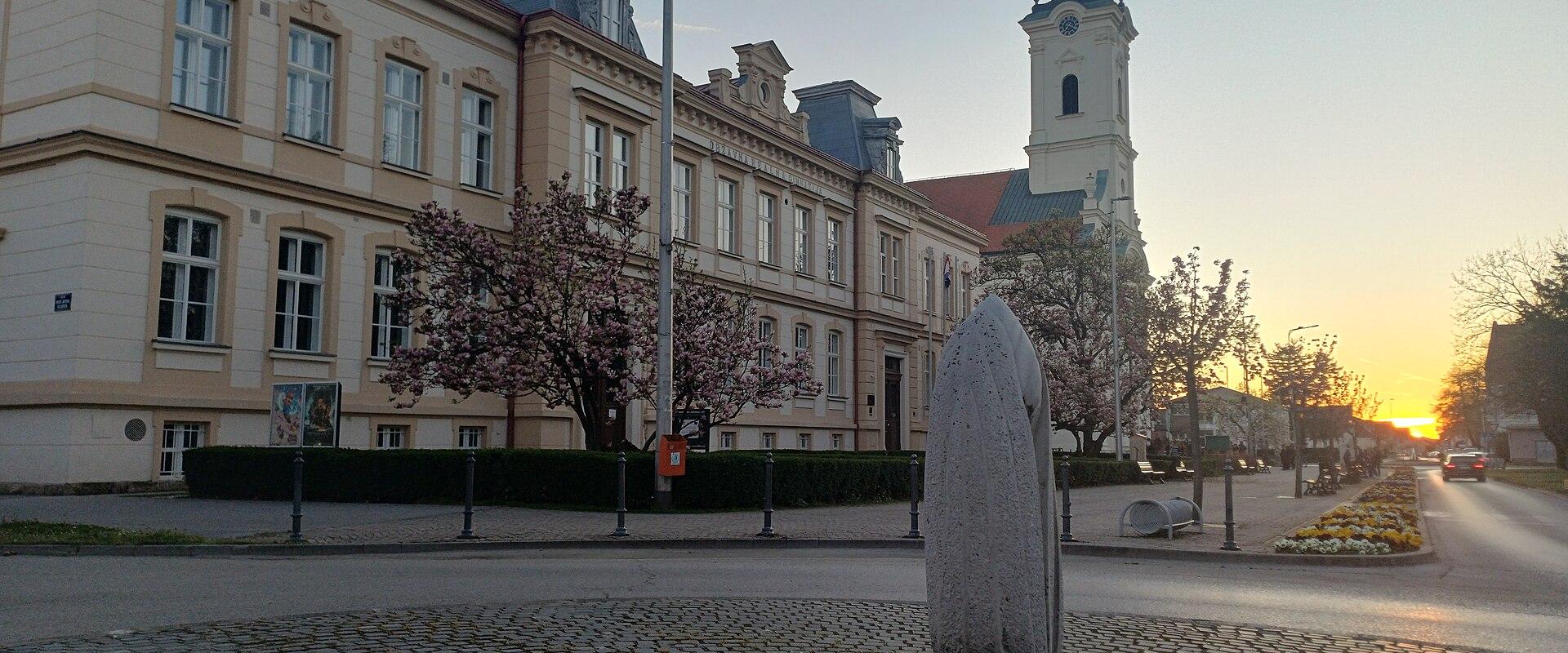
The Baroque Center of Nova Gradiška is the historic core of this town in Slavonia, in eastern Croatia, where the layout and many of the buildings date from the eighteenth century and show the style that the Habsburg monarchy brought to the region after the Ottoman retreat. It is a quiet area for walking, and it offers a pleasant exploration of architectural heritage without the crowds found in larger Croatian cities.
The town has a distinctive origin. Nova Gradiška was founded in the middle of the eighteenth century as a settlement of the Military Frontier, the defensive zone that the Habsburgs organised along their border with the Ottoman lands, and it was planned from the beginning with a regular grid of straight streets and a central square, in contrast to older towns that grew without a plan. Soldiers and their families were settled here, and officials, craftsmen and merchants followed, so that the town quickly became an administrative and commercial centre for the Slavonian plain. This planned origin is what gives the Baroque centre its orderly and spacious character, with wide streets and open squares that make it easy to find your way.
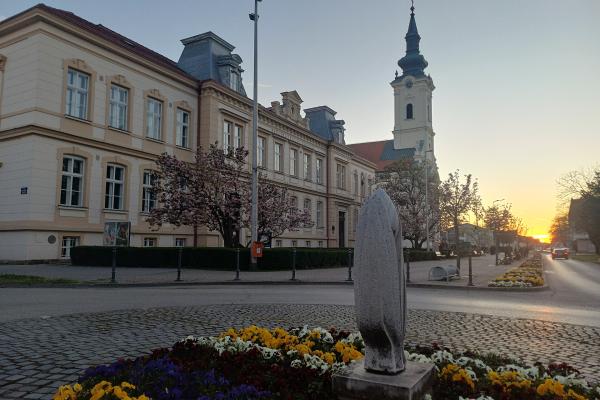
The buildings of the old centre are mostly low, single-storey houses with Baroque façades, arched doorways, tall windows and decorative stucco work, arranged in neat rows along the streets. Their symmetry and restrained elegance are typical of the Slavonian Baroque, which is more modest than the grand Baroque of Vienna or Prague but has its own warm, provincial charm. Key landmarks include the Parish Church of St. Nicholas, which anchors the square with its prominent bell tower, and a number of noble houses that now serve as local institutions, offices or private homes. A visit is mostly observational: you walk, look at the proportions and details, and imagine the life of a frontier town in the age of Maria Theresa.
Culturally, the area is significant for its preservation of Slavonian identity through successive changes of regime. The town celebrates its heritage through annual festivals, many of which take place in the historic spaces and add a living element to the architecture, with music, folk costume and food. The buildings are not always open to the public, but their exteriors are accessible at any time and provide plenty of opportunities for photography. The atmosphere is peaceful, which makes the centre suitable for a leisurely stroll.
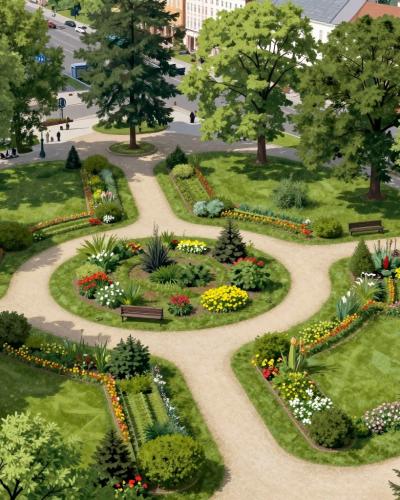
Next to the centre lies the Gradski Park, an English-style park with the fountain of the Three Graces, which makes a green complement to the stone and stucco. Specific interior sites may keep limited opening hours, so ask locally. The district suits history lovers, photographers and anyone interested in the everyday architecture of 18th-century Slavonia, and spring and autumn are the best seasons.
More photos coming soon
Nearby Attractions
Other places to visit in Nova Gradiška
Frequently Asked Questions
Quick Facts
Best Time to Visit
May to September offers warm weather, lush parks, and ideal conditions for sightseeing, festivals, and enjoying outdoor activities in the Slavonian countryside.