Brač
Mountainous island with white limestone beaches
History
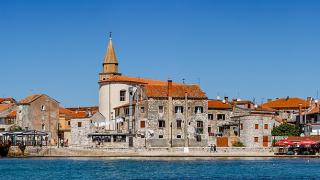
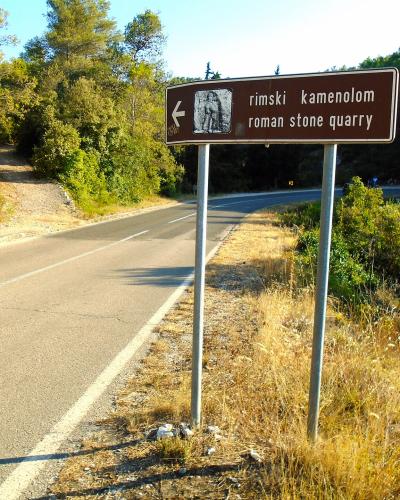
Brač is one of the oldest inhabited islands in the Adriatic, with a history that stretches back to prehistoric times. The island’s strategic location and fertile land attracted early settlers, leaving behind traces of Illyrian strongholds and Roman settlements. The Romans recognized the exceptional quality of Brač’s white limestone, quarrying it extensively for use in major architectural projects across the empire, including Diocletian’s Palace in Split and the Mausoleum of Halicarnassus. This stone, known for its durability and luminous white color, became the island’s most famous export. Over the centuries, Brač passed through various hands, including the Venetians and the Habsburgs, each leaving their mark on the island’s architecture and culture. The historic town of Supetar, the island’s main port, reflects this layered past, with its narrow stone streets and traditional Dalmatian houses. The island’s isolation allowed it to preserve many ancient traditions, including unique dialects and folk customs, making it a living museum of Dalmatian heritage.
Main Attractions
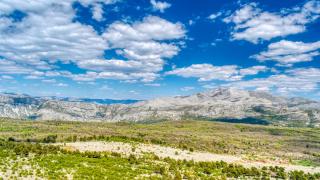
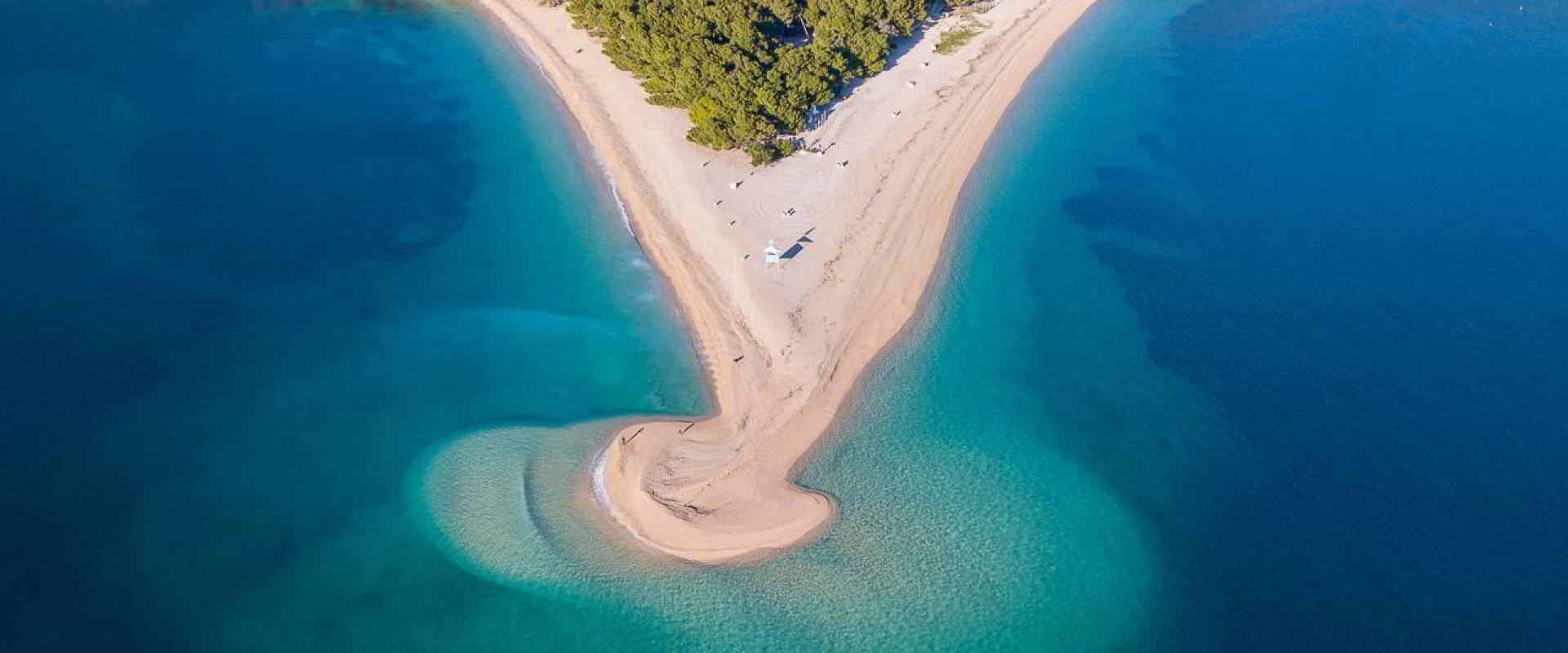
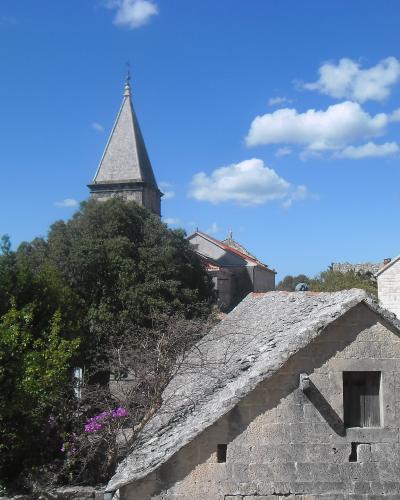
The crown jewel of Brač is Zlatni Rat (Golden Horn), a distinctive pebble beach that extends into the sea like a horn, changing shape with the winds and currents. Its crystal-clear waters and white stone make it one of the most photographed beaches in Croatia. Beyond the coast, the island’s interior is dominated by Mount Vidova Gora, the highest peak in the Adriatic islands at 778 meters. The summit offers panoramic views of the entire island, the mainland, and even distant islands like Hvar and Vis. The historic town of Supetar serves as the cultural and administrative center, featuring the Supetar Museum, which houses artifacts from the island’s prehistoric and Roman periods. The village of Nerežišće is known for its well-preserved stone architecture and the Church of St. Nicholas, while the village of Škrip boasts the oldest house on the island, dating back to the 15th century. These landmarks provide a glimpse into the island’s rich architectural and social history.
Activities
Brač offers a diverse range of activities for visitors. Hiking is a primary attraction, with numerous trails leading through pine forests, olive groves, and up to the summit of Vidova Gora. The island’s rugged terrain provides challenging routes for experienced hikers and gentler paths for casual walkers. Cycling is also popular, with flat roads connecting the main villages and coastal paths offering scenic rides. Water sports are abundant, with opportunities for swimming, snorkeling, and sailing in the clear Adriatic waters. Many visitors rent bicycles or cars to explore the island’s hidden coves and unmarked beaches. The local culinary scene is a highlight, with family-run konobas serving fresh seafood, locally produced wines, and traditional dishes like pašticada. Visitors can also participate in wine tasting tours, visiting local vineyards that produce high-quality Plavac Mali and Pošip wines. The island’s relaxed pace encourages leisurely exploration, allowing travelers to immerse themselves in the local lifestyle.
Getting There
Brač is easily accessible from Split, located just across the channel. The most common method of arrival is by ferry or catamaran, with frequent departures from Split’s main port to Supetar, the island’s main ferry terminal. The ferry ride takes approximately 50 minutes, while catamarans are faster but may have fewer stops. Once on the island, visitors can use local buses to travel between villages, or rent cars and bicycles for greater flexibility. The island’s road network is well-maintained, connecting all major settlements. For those arriving by private boat, several marinas and anchorages are available along the coast. The island’s central location in the Dalmatian archipelago makes it a convenient stop for multi-island itineraries, with connections to Hvar and Vis also available.
Best Time to Visit
The best time to visit Brač is during the late spring and early autumn months, from May to June and September to October. During these periods, the weather is warm and sunny, ideal for hiking and beach activities, without the intense heat and crowds of peak summer. July and August are popular, but the island can become busy, and accommodation may fill up quickly. Winter is mild but wet, with some services reduced or closed, making it suitable only for those seeking solitude. The shoulder seasons offer the best balance of good weather, accessibility, and tranquility, allowing visitors to fully appreciate the island’s natural beauty and cultural heritage.
Best Time to Visit
May to October for warm, sunny weather ideal for swimming and hiking.
Plan Your Visit to Brač
Essential travel tips and information for your trip to Brač.
Suggested Itineraries
Travel Tips
Currency
EUR • Cards widely accepted
Language
Croatian • English in tourist areas
WiFi
Free WiFi in cafes and hotels
Explore Brač by Interest
Discover attractions and experiences in Brač organized by your interests and travel preferences.

All attractions in Brač
Sorted by our recommendation score
Quick Facts
Book your stay
Frequently Asked Questions
More destinations in Dalmatia
Explore other amazing places in the Dalmatia region