







- Where
- Kumrovec, Zagorje
- Directions
- Directions
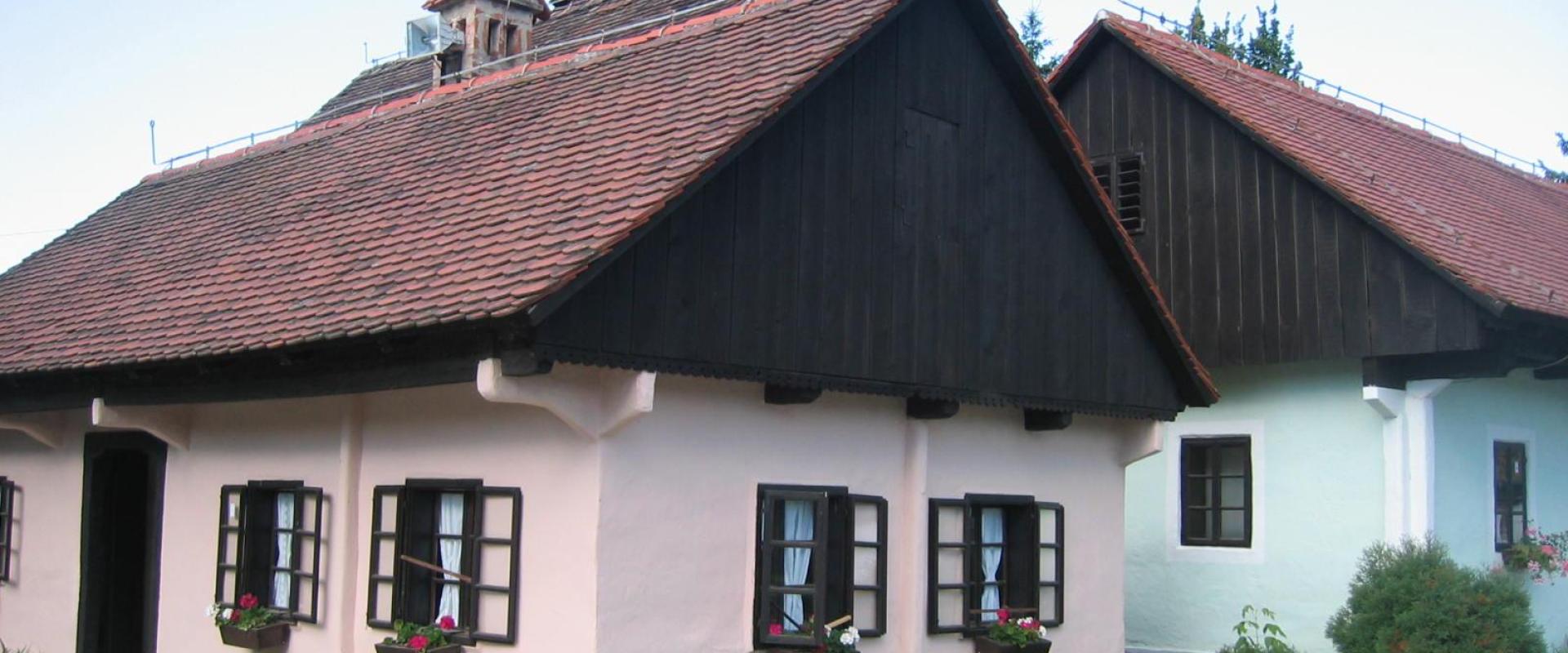
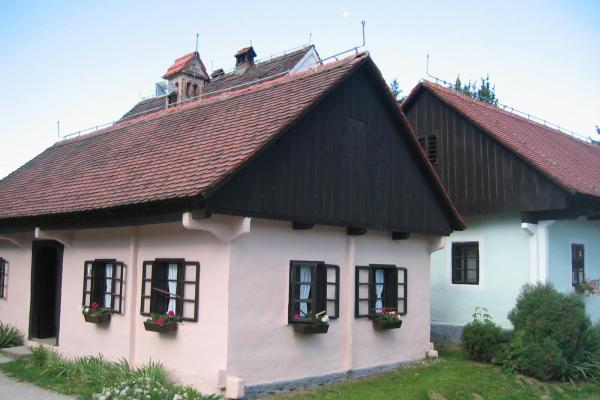
The birth house of Josip Broz Tito stands in Kumrovec, a village in Hrvatsko Zagorje, in northwestern Croatia, right on the border with Slovenia, where the small river Sutla forms the frontier. It is a modest peasant house in a village of similar buildings, but Tito’s birthplace belonged to the man who became the leader of socialist Yugoslavia, and it is now part of a museum that preserves the look of old Zagorje.
Tito was born here in 1892 to a peasant family, and the house, which dates from the middle of the nineteenth century, is one of the best-known historic buildings in the village. It has been restored and furnished to show how a family of the time lived, with a main room, a kitchen with a wide hearth, small bedrooms and farm tools, and the displays give an impression of the everyday life of Zagorje peasants, in which the future leader grew up. The house is part of the Ethnological Museum Staro Selo, or Old Village, an open-air ethnographic museum that was established in the village and covers a whole street of traditional houses.
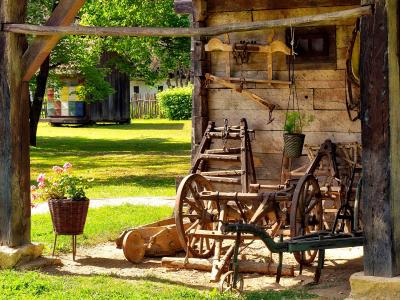
The wider museum is an attraction in its own right. About forty traditional houses, many of them built of timber with thatched or tiled roofs, have been restored and fitted out to show the crafts and customs of the region. Visitors can see a blacksmith’s forge, a potter’s workshop, a gingerbread maker, a toy maker and a weaver, and in some places craftspeople demonstrate their skills. The exhibitions explain rural architecture, clothing, food and festivals, and the village setting, with its single main street and wooden fences, adds to the feeling of stepping back in time. It is a place where families and school groups spend an hour or two walking from house to house.
A bronze statue of Tito by the sculptor Antun Augustinčić, made in the late 1940s, stands nearby. Augustinčić, who was born in Klanjec, a few kilometres away, was among the leading sculptors of Yugoslavia, and of Croatia, and his work includes the Peace statue outside the United Nations building in New York. In the Yugoslav period, Kumrovec was a place of pilgrimage for many, and today it is one of the better-known Croatian museum villages, and each year on 25 May, which was celebrated as Youth Day, young people gathered here. The village still draws visitors interested in twentieth-century history and in how that history is remembered, and opinions about its subject vary widely.
The site welcomes visitors all year, and details of opening times and prices change with the season, so check in advance. It suits history enthusiasts, families and anyone curious about rural traditions. Combine it with a visit to Klanjec, the Cesargrad ruins and the Zagorje countryside.
More photos coming soon
Nearby Attractions
Other places to visit in Kumrovec

Questions people ask
Quick Facts
Best Time to Visit
The optimal months to visit Kumrovec are May to June and September to October for mild weather.