







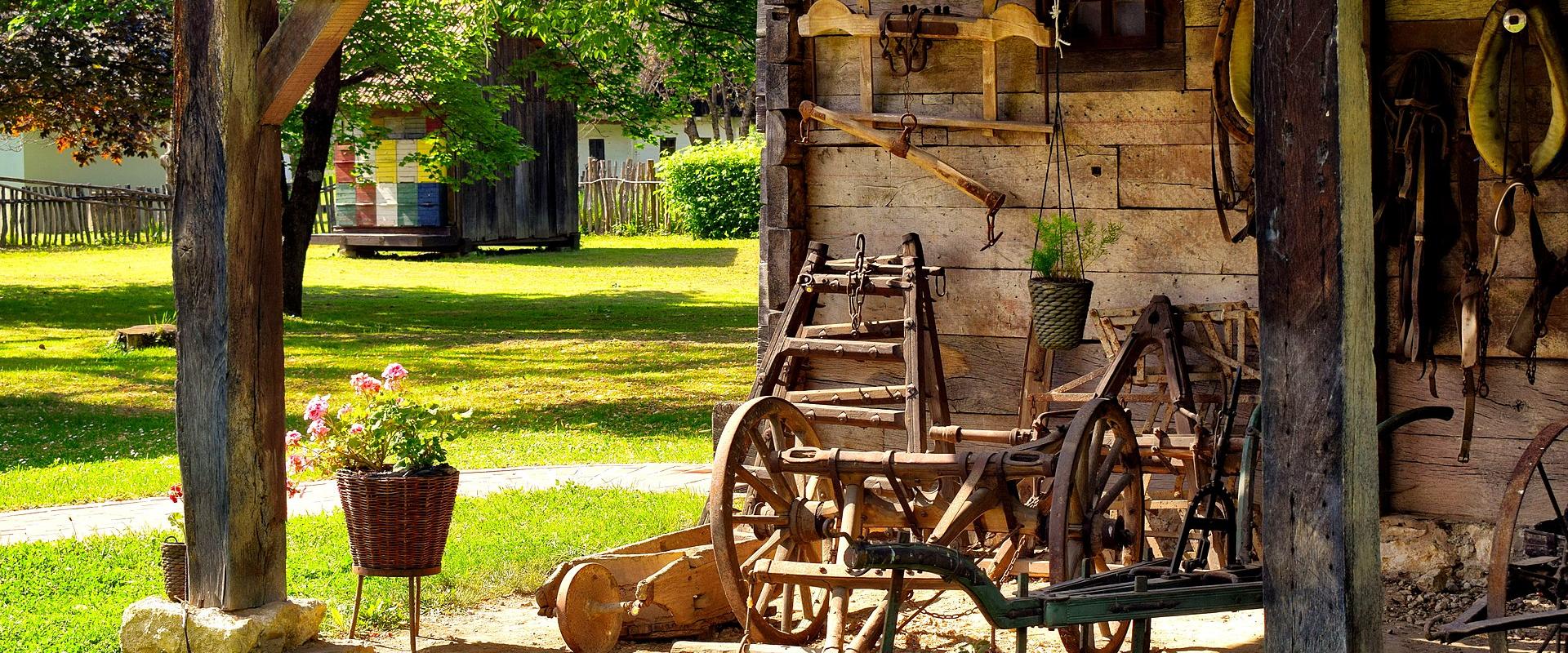
Staro Selo Museum
Open-air museum of 19th-century Zagorje village life
The Staro Selo Museum, whose name means Old Village Museum, is an open-air ethnographic museum in Kumrovec, a village in Hrvatsko Zagorje, in northwestern Croatia, on the border with Slovenia. It preserves the architecture and way of life of a Zagorje village from the nineteenth and early twentieth centuries, and it is among the best-known heritage attractions in the region, one of Croatia’s best open-air museums.
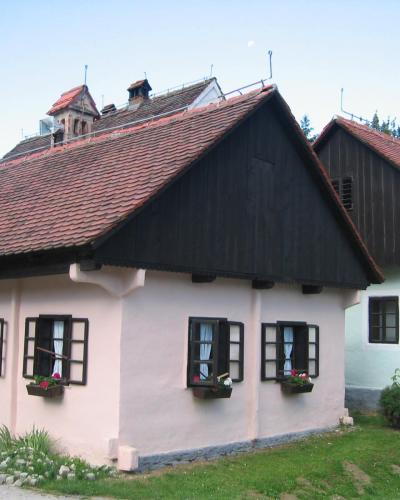
Wandering along the museum’s street of traditional houses, called hiže in Zagorje, is the main activity. They are low, long buildings of oak timber on stone foundations, with steeply pitched roofs of straw or shingle and small windows, built to keep warm in cold winters. Many have been carefully restored and furnished to show how peasant families lived, with a main room, a kitchen with a wide hearth, tiny sleeping chambers, and tools and utensils. Barns, granaries and workshops stand among them, so the whole settlement looks like a village in which time has paused, and walking along the lane between them is the way to experience it.
The exhibitions explain the village economy. Farming was the basis of life, with fields of grain, vegetables and orchards, but crafts were also very important, and Kumrovec became known for craftsmen such as potters, blacksmiths, cartwrights, wood carvers and the makers of licitar, the decorated honey biscuits that are a symbol of the region. Several of the houses are fitted out as workshops, where visitors can see tools and, on some days, demonstrations. Other houses show weddings, festivals, clothing and household customs, and there are workshops where visitors can try activities themselves, such as painting a biscuit or making a simple object.
Josip Broz Tito’s birth house, a bronze statue of Tito and the old elementary school he attended also form part of the museum, and they give insight into the early life of a leader who rose from the village to the head of Yugoslavia. The place has been associated with that story since the mid-twentieth century, and today it attracts visitors who want to understand both the man and the world he came from, with a range of opinions about his legacy. The museum presents these facts and leaves interpretation to the visitor.
Practical details change from season to season. The museum is generally open daily except Mondays and certain holidays, with longer hours on weekends, and tickets are modest, with reductions for children, students and families. Guided tours and workshops can often be booked, and audio guides are available in several languages. With its lanes, workshops and gardens, the museum is easy to explore on foot, and a visit takes two hours or so. The museum suits families, history lovers and anyone interested in rural culture, and it is best in spring and autumn, when the weather is mild and the gardens are colourful.
Categories
More photos coming soon
Nearby Attractions
Other places to visit in Kumrovec
Frequently Asked Questions
Quick Facts
Best Time to Visit
The optimal months to visit Kumrovec are May to June and September to October for mild weather.