







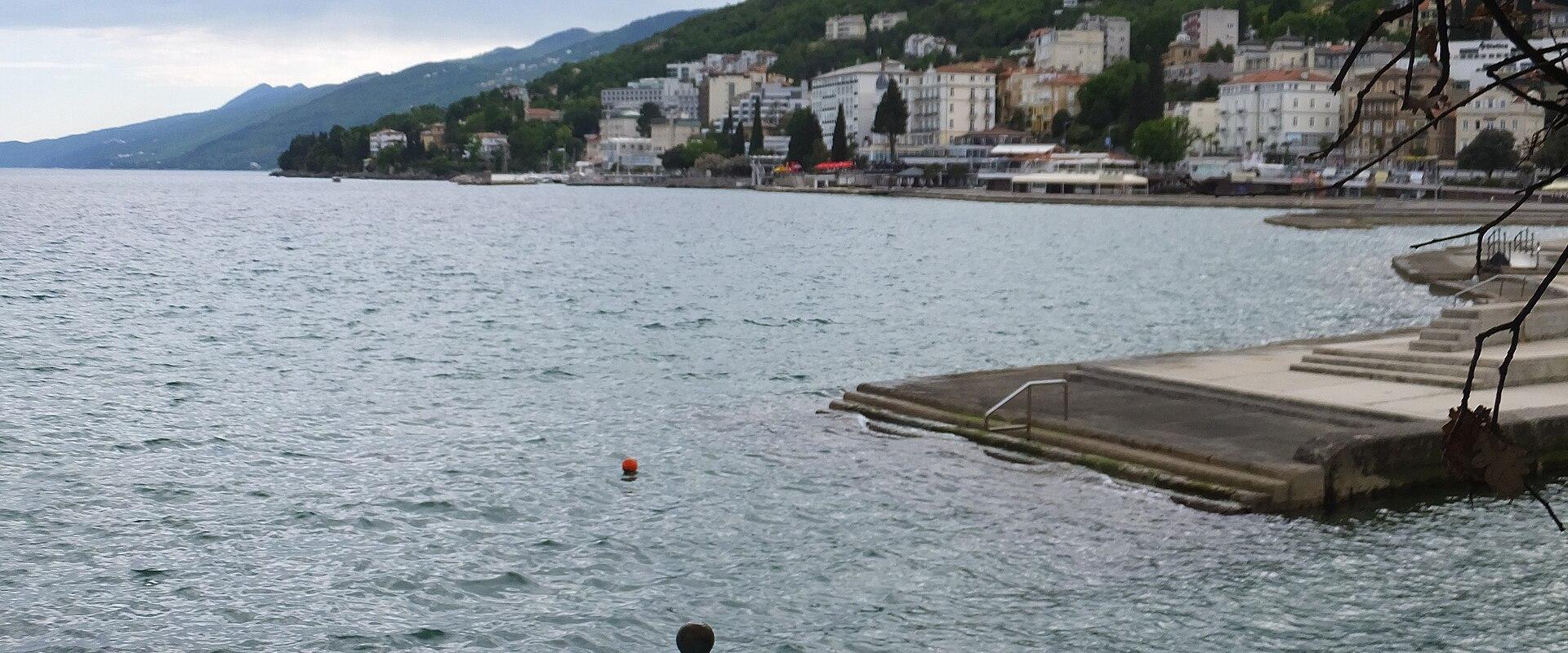
Opatija’s history as a premier resort town began in the 19th century, when its mild climate and scenic location attracted the Austro-Hungarian elite. The construction of Villa Angiolina in 1844 by a merchant from Rijeka marked the start of Opatija’s transformation into a fashionable destination, soon followed by grand hotels, ornate villas and lush parks. The name Opatija means abbey, after the Benedictine abbey of St. James around which the first settlement grew. The town quickly gained a reputation as the 'Adriatic Nice,' drawing royalty, artists and writers from across Europe, and the railway link to Vienna in the 1880s made it a winter resort for the empire’s elite. Emperor Franz Joseph and the Romanian queen Carmen Sylva, who wrote poetry under that name, were among the visitors.
Today Opatija’s elegant past is reflected in its architecture and public spaces. The Lungomare, a 12-kilometer seaside promenade, winds along the coast from Volosko to Lovran, offering wide views, access to beaches and a string of historic landmarks. Along the promenade visitors meet the iconic statue of the Girl with the Seagull, also called the Maiden with the Seagull, the Croatian Walk of Fame and the charming harbor known as Portić. Villa Angiolina and its surrounding Park Angiolina remain central attractions, with exotic plants, fountains and the Croatian Museum of Tourism housed in the villa. The Carmen Sylva Forest Promenade, a shaded path through the woods, is another pleasant walk. In the evening, the Casino Rosalia, a historic building, recalls the days of high society.
Opatija’s beaches, such as Slatina Beach and Lido Beach, provide chances for swimming, sunbathing and water sports. They are largely made of pebbles and concrete platforms, and the water is deep and clean. The town’s parks and gardens, including St. James Park and the American Gardens, offer peaceful retreats among Mediterranean and exotic plants. The Church of St. James, dating to the 15th century, which grew out of the old abbey, shows Opatija’s spiritual and cultural heritage. Many of the plants in the parks, camellias, magnolias and palms, were brought from other continents by 19th-century gardeners.
Cultural life in Opatija is vibrant, with a calendar filled with music festivals, open-air concerts and art exhibitions. The town’s cafes, seafood restaurants and patisseries serve local and international cuisine, while the busy market offers fresh produce and regional specialties. Local dishes include scampi, the chestnuts of Lovran and Istrian pasta, and a tradition of fine hotel dining continues. Opatija’s wellness tradition continues in its modern spas and wellness centers, many of which are housed in historic hotels.
Outdoor enthusiasts can explore the nearby Učka Nature Park, with hiking and cycling trails leading to panoramic viewpoints over the Kvarner Gulf. The summit of Vojak, the highest point of Učka, can be reached by road, and on clear days the view takes in the islands and the Alps. Day trips to the islands of Cres and Krk, or to the lively city of Rijeka, are easily arranged from Opatija.
Getting to Opatija is convenient, with excellent road and rail connections to Rijeka, just 10 km away, and the rest of Croatia. The town is accessible by car, bus or train, and parking is available throughout the center. Accommodation options range from luxury hotels and boutique villas to guesthouses and apartments, catering to a variety of tastes and budgets.
The best time to visit Opatija is from late May to early September, when the weather is warm, the sea is inviting and the town’s events and gardens are in full bloom. Spring and autumn offer milder temperatures, fewer crowds and excellent conditions for sightseeing and outdoor activities. Whether you seek relaxation, cultural discovery or seaside adventure, Opatija offers a refined and memorable Croatian stay.
Best time to visit
Late May to early September offers warm weather, lively events, and ideal swimming; spring and autumn are pleasant for sightseeing and garden strolls.
What to see in Opatija
Our picks first.
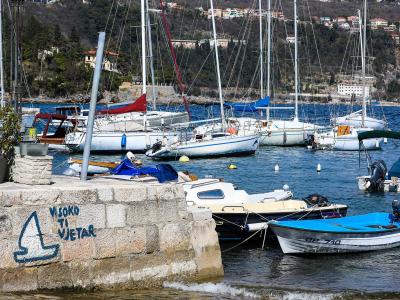
Port of Opatija
Oldest harbor with traditional boat excursions
Coastal & Maritime · Harbors
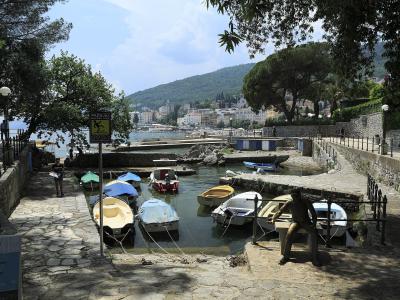
St. James’ Park
Neo-baroque fountain and vibrant floral gardens
Natural Wonders · Urban Exploration
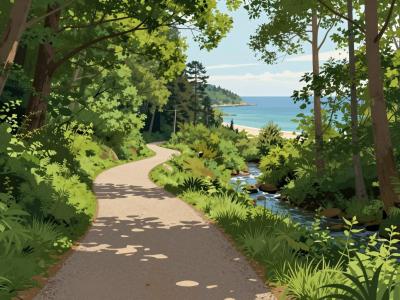
Carmen Sylva Forest Promenade
Historic forest trail with panoramic bay views
Coastal & Maritime · Natural Wonders
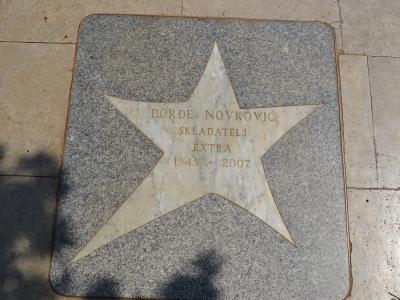
Croatian Walk of Fame
Coastal promenade honoring Croatia’s cultural icons
Cultural Experiences · History & Heritage
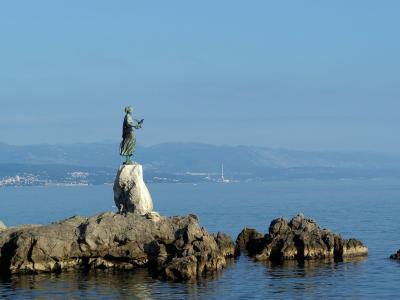
Statue of the Girl with the Seagull
Iconic 1956 statue overlooking Kvarner Bay
Cultural Experiences · Urban Exploration

Maiden with the Seagull Statue
Iconic 1956 statue overlooking Kvarner Bay
Coastal & Maritime · Cultural Experiences
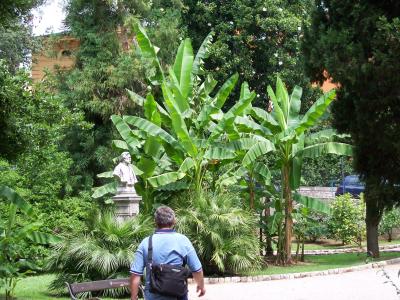
Park Angiolina
Historic villa and landscaped gardens in Opatija
Natural Wonders · Urban Exploration
Opatija by interest
The same sights, grouped by what you came for.
Did you know?
Checked facts about Opatija, each with its source.
-
Film & TV
Naomi Watts Filmed Princess Diana Biopic in Opatija
In summer 2012 Naomi Watts shot scenes in Opatija for 'Diana' (2013), Oliver Hirschbiegel's film about the last two years of Princess Diana's life, which was then still called 'Caught in Flight'.
Source: Filming in Croatia (Croatian Audiovisual Centre) -
Film & TV
Opatija Played the French Riviera in The Forsytes
In May and June 2026, the third season of the British series 'The Forsytes', adapted from John Galsworthy's Forsyte Saga, was filmed in Opatija, with the town standing in for the late-19th-century French Riviera.
Source: Croatia Week -
History
Villa Angiolina Started Tourism in Croatia in 1844
In 1844 the Rijeka merchant Iginio Scarpa built Villa Angiolina in Opatija as a summer residence. The Opatija tourist board describes it as the first building in Croatia designed purely for leisure, marking the beginning of tourism in the country.
Source: Visit Opatija - History of Opatija
Planning a visit to Opatija
Itineraries that include Opatija
Good to know
- Currency
- EUR
- Language
- Croatian
Quick Facts
Book your stay
Questions people ask
More places in Kvarner
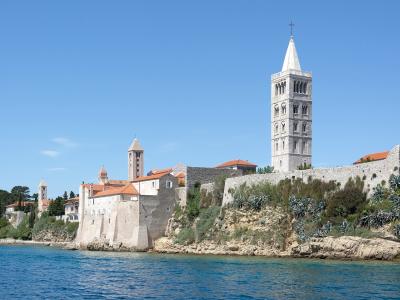
Kvarner
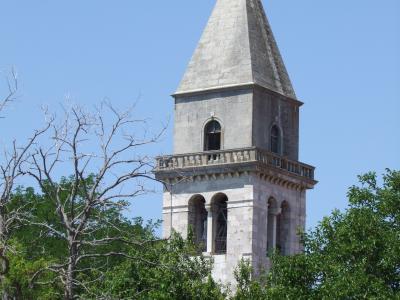
Rab Island
Sandy beaches, medieval towers, and vibrant island life
Kvarner
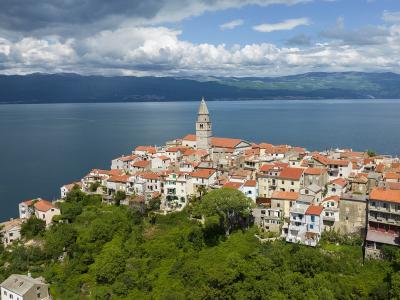
Cres Island
Wildlife-rich Adriatic island with ancient hilltop towns
Kvarner
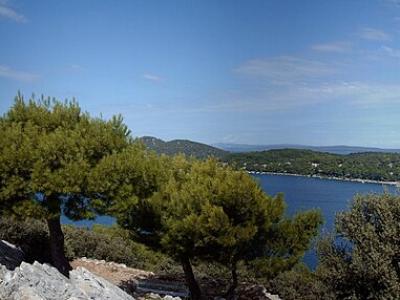
Krk
Largest Croatian island connected to mainland by bridge
Kvarner
Mali Lošinj
Lošinj island’s largest town with dolphins, beaches, and maritime heritage