







- Where
- Bale, Istria
- Directions
- Directions
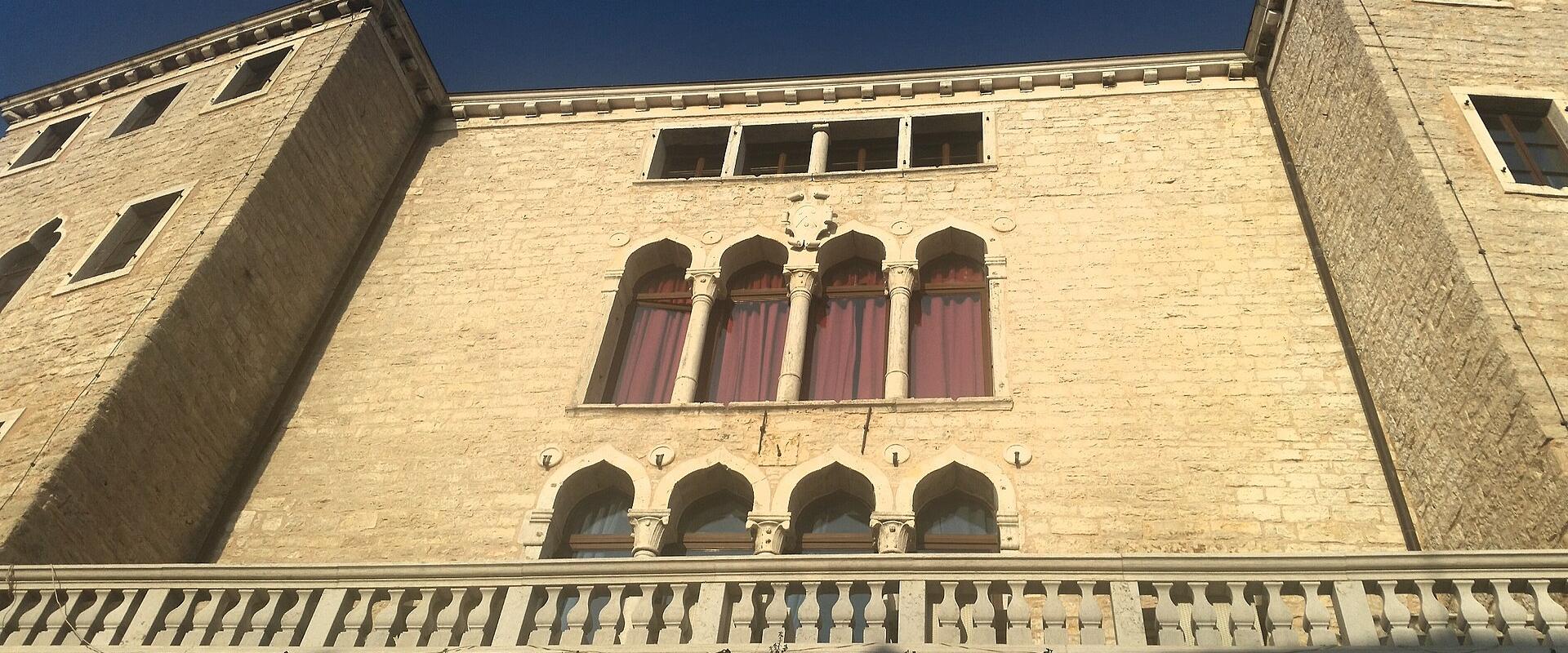
The Soardo-Bembo Castle is the largest building in Bale, the small hilltop town in southwestern Istria, Croatia, that Italians know as Valle. It stands at the edge of the old centre, built into the town’s defences, and its Gothic-Renaissance mix of features gives it a more fortified look than the surrounding houses of pale Istrian stone.
The castle takes its name from the two families who held it. The Soardo family, nobles linked to the town in the Venetian period, built it in the early 16th century as a fortified residence, at a time when threats from land and sea made a defensible home sensible for any local lord. After 1618 it passed to the Bembo family, when Veronica Soardo married Alvise Bembo, and the combined name has stuck ever since. The Bembo name is a famous Venetian one, which tells you something about how closely Bale was tied to the Republic across the water.
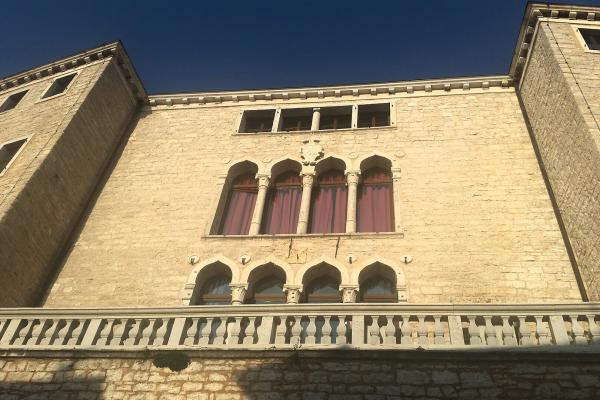
The building has a squared, blocky outline with defensive towers marking the corners, thick stone walls and small windows set high, softened in places by later alterations that made it more comfortable as a palace than as a stronghold. Restoration work in the 2010s repaired the façade, and the work is said to have uncovered traces of a Bronze Age settlement in the cellars. Today the exterior is the main thing visitors can enjoy. Gothic window frames and carved details are worth searching for, and the sense of mass is most striking from the lanes immediately outside the gate. Because it is a long-lived residence rather than a museum, access inside depends on what is being held there, so treat the outside as the main experience.
The castle is easy to combine with the rest of Bale. Narrow lanes lead from it to Bale’s main square, the old parish churches including the one dedicated to St. Julian and another to St. Mary Magdalene, and the olive groves that surround the town. The town itself is tiny, so an hour or two covers its principal sights, with time left over for a drink or lunch on a terrace.
It will appeal to people interested in Venetian-era architecture, noble families of Istria and the shape of fortified towns, and to anyone wanting a small place with real texture and few crowds. A visit also pairs well with a drive to Rovinj or Vodnjan, both within a short distance.
Categories
More photos coming soon
Nearby Attractions
Other places to visit in Bale
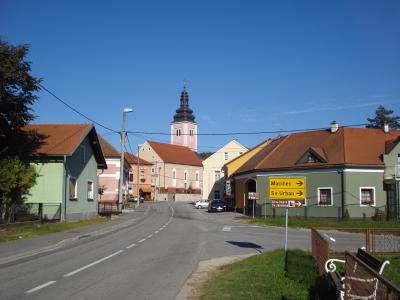
St. Mary Magdalene Church
Late Gothic monastery with Venetian polyptych altar
Cultural Experiences · History & Heritage
Church of St. Julian
Historic church honoring Bale’s patron saint
History & Heritage · Historic Churches
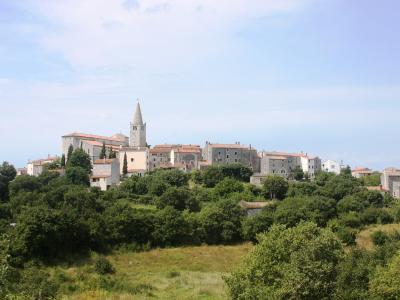
St. Julian's Church
Church honoring St. Julian, patron of Bale since 1477
Cultural Experiences
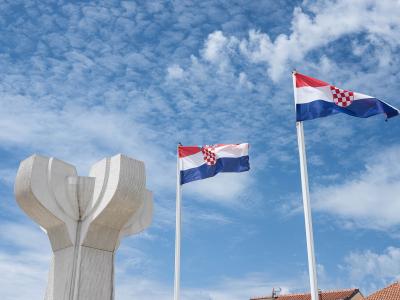
Monument to the Fallen Soldiers
Memorial honoring Bale’s anti-fascist fallen soldiers
Cultural Experiences
Questions people ask
Quick Facts
Best Time to Visit
May to September offers warm weather, lush scenery, and ideal conditions for sightseeing, hiking, and enjoying local festivals and outdoor activities.