







Eugene of Savoy's Castle (Dvorac Eugena Savojskog)
Baroque hunting lodge of Prince Eugene
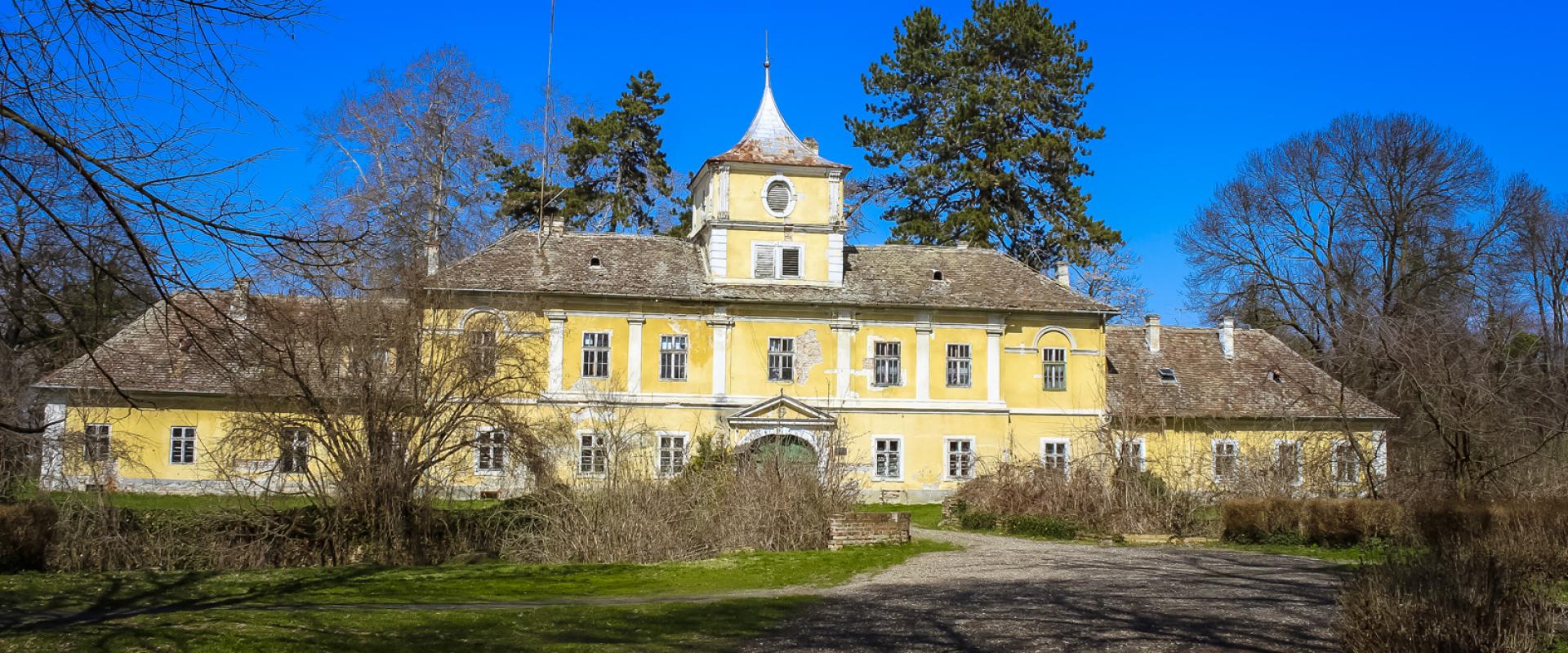
Eugene of Savoy's Castle is a Baroque hunting lodge in Bilje, a village in Baranja, in the far northeast of Croatia, on the edge of the Kopački Rit Nature Park. It was built for Prince Eugene of Savoy, one of the most famous military commanders of the early 18th century, who led the armies of the Habsburg Monarchy against the Ottoman Empire and the French. After the Ottomans were driven out of the region at the end of the 17th century, the emperor rewarded Eugene with vast estates in Baranja, which became the Belje estate, and the prince used them as a source of income. He commissioned a lodge in the middle of this territory, in the hunting grounds of the Danube floodplain, and it was completed in 1712. The design is attributed to Johann Lukas von Hildebrandt, a leading Austrian Baroque architect who also designed the Belvedere in Vienna for the same patron.
The building follows the tastes of the early 18th-century nobility. It has a quadrangular layout, with four wings around a courtyard, and a symmetrical façade with regular windows and restrained decoration, so it looks more like a country house than a fortress. The lodge was meant for hunting parties and the entertainment of guests, and the surrounding land of forest, marsh and meadow was rich in game, particularly deer, wild boar and waterfowl. Eugene himself rarely visited, since he spent most of his life at court and on campaign, and the estate was managed by administrators. After his death in 1736, the lands passed to the Habsburg crown and then to other owners, and the building went through various uses.
After the First World War, the castle was expropriated and became part of a state-owned agricultural estate, which was a common fate for aristocratic residences in the region. It has since served as offices and has been altered, but its historical importance remains, and it is regarded as a monument of Baroque architecture in Croatia. The interior is not always open to visitors, and specific hours and admission fees are not widely advertised, so it is best to check in advance or to enjoy the exterior and the grounds, which are worth a visit for their architectural beauty and for the sense of history they convey. The façade and courtyard give a good impression of the original proportions.
The castle is also a good gateway to the surrounding landscape. Kopački Rit, one of the largest wetlands in Europe, lies immediately next to the village, and the Biljsko Jezero, a lake in Bilje, offers a peaceful place for a walk. Villa Sandrina, another historic building, and the wine villages of Baranja are close by. The region is known for its fish stews, its sausages and its wines.
The castle suits architecture lovers, history enthusiasts and travellers exploring Baranja. Allow half an hour, and combine it with a boat trip in the nature park.
Categories
More photos coming soon
Nearby Attractions
Other places to visit in Bilje
Frequently Asked Questions
Quick Facts
Best Time to Visit
The optimal months to visit Bilje are May to June and September to October for mild weather.