







- Where
- Zagreb, Central Croatia
- Directions
- Directions
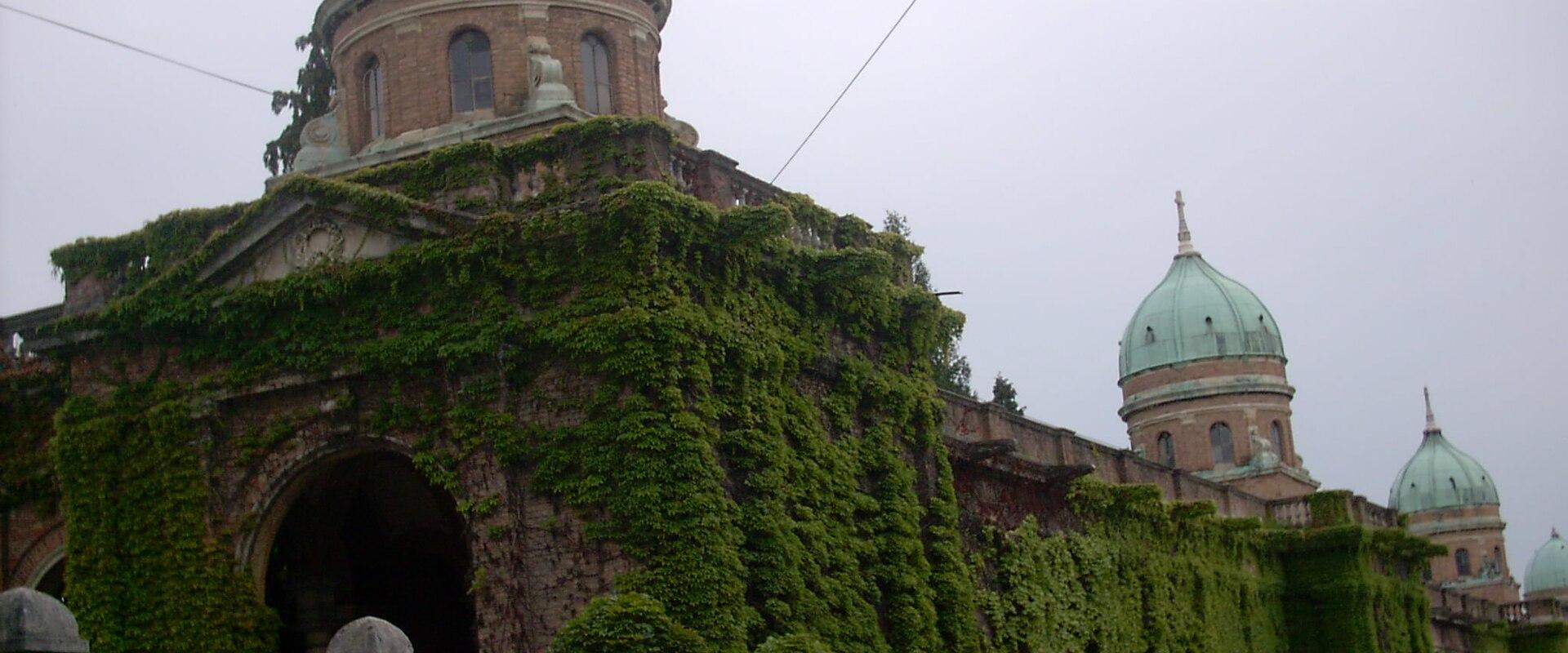
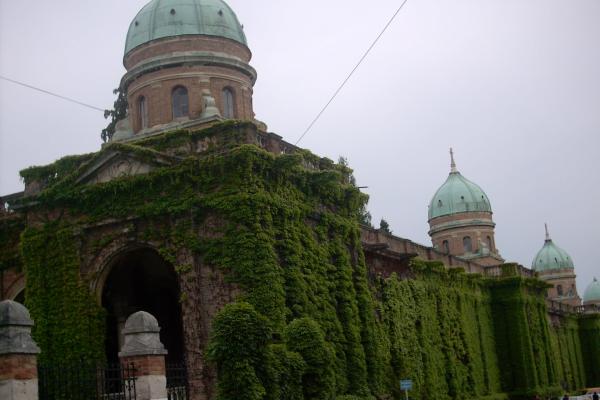
Mirogoj Cemetery is the main cemetery of Zagreb and one of the most admired in Europe, valued as much for its architecture as for the people buried there. It lies on the slope of Medvednica above the city centre, on the street named Aleja Hermanna Bollea, and was opened in 1876. The design is the work of the architect Hermann Bollé, who shaped a long, curving wall of arcades topped by green domes and linked by a monumental entrance building with a central cupola.
The arcades are the first thing visitors notice. Built of pale stone and brick, they run along the entire front of the grounds and shelter hundreds of family tombs, memorial plaques and sculptures, many by well-known Croatian artists of the 19th and 20th centuries. Behind them, tree-lined avenues, flowerbeds and trimmed hedges give the cemetery the feel of a park, and the quiet is striking, considering the city lies so close below. Church bells are heard now and then, and the atmosphere is calm and respectful.
Mirogoj was planned for all faiths from the start. Catholic, Orthodox, Protestant, Muslim and Jewish sections lie within the grounds, and so do plots for people of no religion, which is why it is often described as supra-denominational. Among those buried here are many figures from Croatian public life, including the first president of independent Croatia, Franjo Tuđman, the politician Stjepan Radić, the writer Miroslav Krleža and the writer Marija Jurić Zagorka, as well as the long-serving mayor Milan Bandić. A large cross and memorial areas recall victims of wars and political violence in the 20th century.
Walking the grounds takes an hour or two, and it helps to treat it as a quiet outdoor gallery rather than a sightseeing stop. Dress modestly, keep voices low and avoid photographing mourners or funerals. The days around 1 November, All Saints' Day, are a special time to visit, when thousands of candles are lit at the graves, but it is also the busiest, and the cemetery is a working place of remembrance throughout the year.
Mirogoj suits people who enjoy art, architecture and history, and anyone who wants a more reflective counterpart to Zagreb's museums and squares. It can be reached by city bus from the centre or by taxi, and the walk through the arcades is level and easy.
Categories
More photos coming soon
Nearby Attractions
Other places to visit in Zagreb

Zagreb Cathedral
Gothic cathedral with twin spires and historic relics
Cultural Experiences · History & Heritage
Upper Town (Gornji Grad)
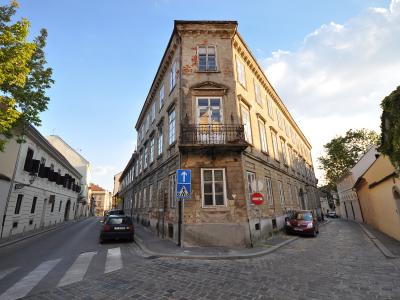
Historic Zagreb district with medieval landmarks
Cultural Experiences · Urban Exploration
Zagreb Botanical Garden
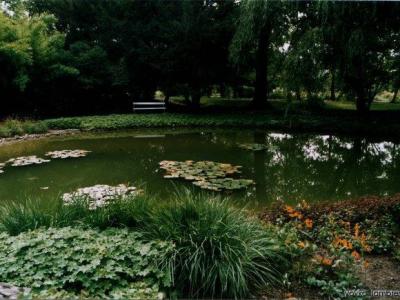
Urban oasis with diverse rare plant species
Cultural Experiences · Natural Wonders
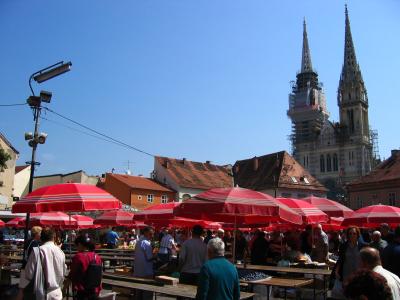
Dolac Market
Vibrant daily market with fresh local produce
Free Cultural Experiences · Food & Gastronomy
Questions people ask
Quick Facts
Best Time to Visit
Late May to mid-September offers warm weather, blooming parks, and lively festivals; spring and early autumn are ideal for sightseeing and outdoor café culture.