







- Where
- Zagreb, Central Croatia
- Directions
- Directions
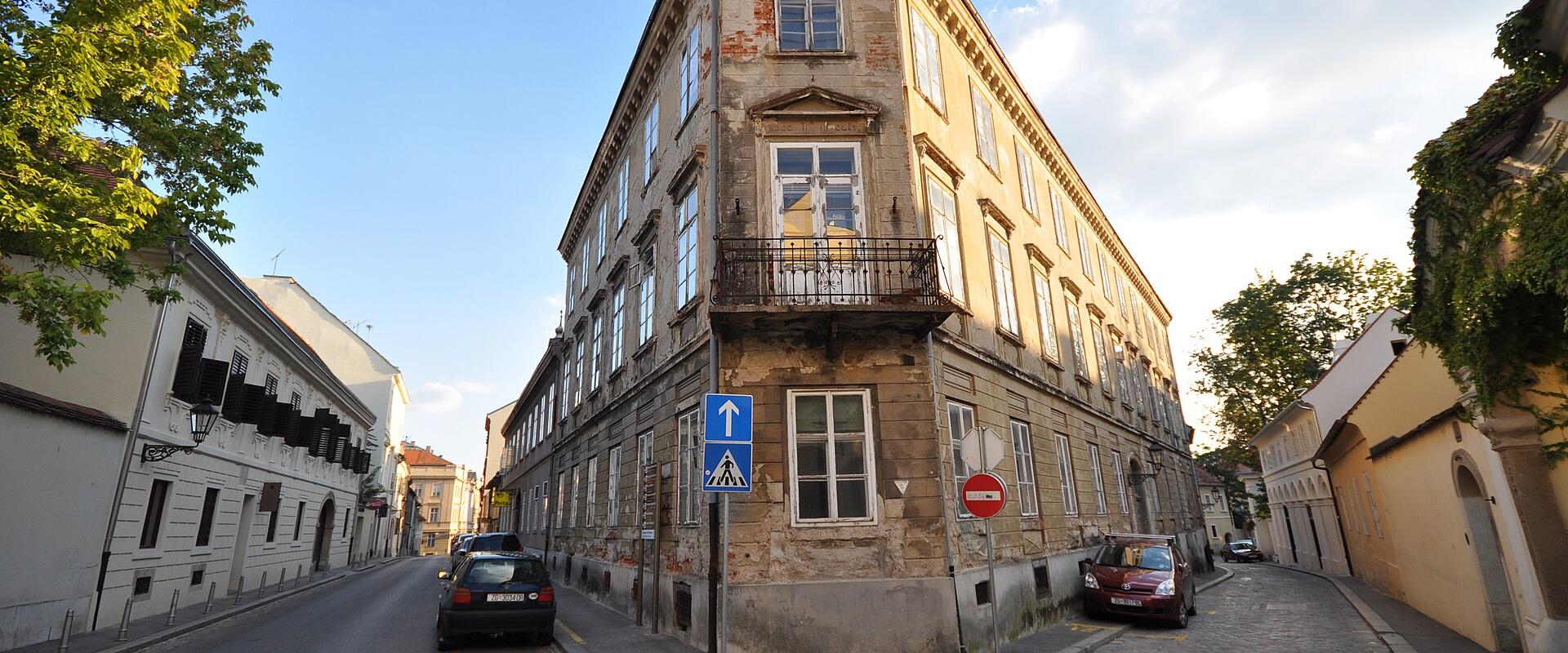
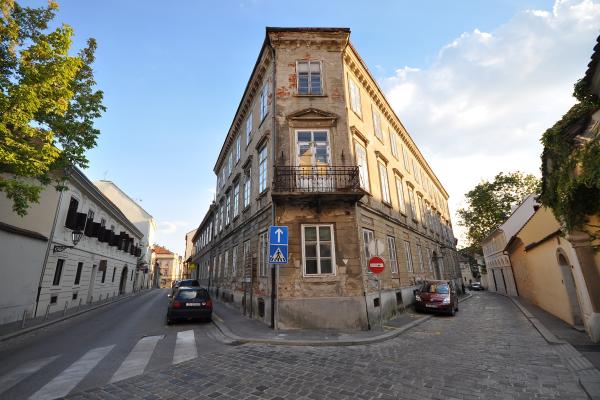
Upper Town, or Gornji Grad, is the old hilltop quarter of Zagreb, historically the separate walled town of Gradec, and it is where the Croatian capital's political and cultural identity is most concentrated. It faces Kaptol, the church quarter, across a valley, and the two settlements merged into one city only in the late eighteenth century. Today Gornji Grad is a calm, car-light district of cobbled lanes, gas lamps, small squares and old houses, which makes it ideal for a leisurely walk.
Most visitors arrive from Ban Jelacic Square, either by climbing the stairs near the Stone Gate or by taking the short funicular, which has been running since the nineteenth century and is one of the shortest public funicular lines in the world. At the upper station you meet the Lotrščak Tower, a thirteenth-century defensive tower from which a cannon is fired every day at noon. Beside it, the Strossmayer promenade follows the line of the old walls and gives wide views over the roofs of the lower city.
The centre of the quarter is St. Mark's Square. St. Mark's Church, with its steep roof of coloured glazed tiles forming the coats of arms of Croatia, Dalmatia, Slavonia and Zagreb, is one of the most photographed buildings in the country. Across the square stand the Croatian Parliament and the government building, so the square is the seat of the country's political life. Close by is the Stone Gate, the only surviving gate of the old town, which has long sheltered a shrine to the Virgin Mary, where residents light candles. The Church of St. Catherine and the Gric Tunnel are also within a short walk.
Gornji Grad is also a district of small, curious museums. The Museum of Broken Relationships, which displays personal objects from ended romances, is one of the best known, and the Zagreb City Museum and several galleries are tucked into former convent and townhouse buildings. For food and drink, the lively pedestrian street Tkalčićeva runs along the foot of the hill, following the old stream bed, and is lined with terraces and restaurants. The Zagreb Cathedral rises just beyond on Kaptol.
Plan two to three hours for a relaxed visit, more if you enter museums. Early morning is the quietest time, and the hilltop viewpoints are at their best in the late afternoon. Wear comfortable shoes for steep cobbles and stairs. The district suits history enthusiasts, couples and families, and anyone who wants to see the calmer, older face of Zagreb.
More photos coming soon
Nearby Attractions
Other places to visit in Zagreb
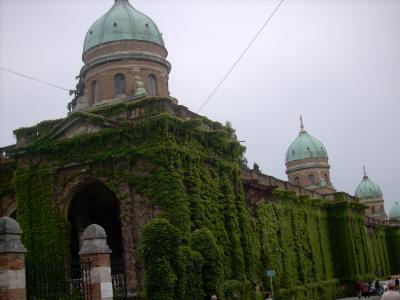
Mirogoj Cemetery
Architectural masterpiece and multi-faith resting place
History & Heritage · Urban Exploration

Zagreb Cathedral
Gothic cathedral with twin spires and historic relics
Cultural Experiences · History & Heritage
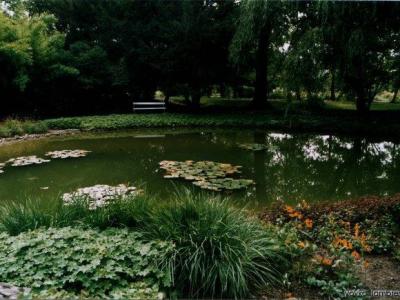
Zagreb Botanical Garden
Urban oasis with diverse rare plant species
Cultural Experiences · Natural Wonders
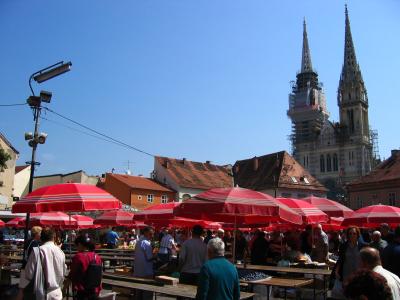
Dolac Market
Vibrant daily market with fresh local produce
Free Cultural Experiences · Food & Gastronomy
Questions people ask
Quick Facts
Best Time to Visit
Late May to mid-September offers warm weather, blooming parks, and lively festivals; spring and early autumn are ideal for sightseeing and outdoor café culture.