







- Where
- Brseč, Kvarner
- Directions
- Directions
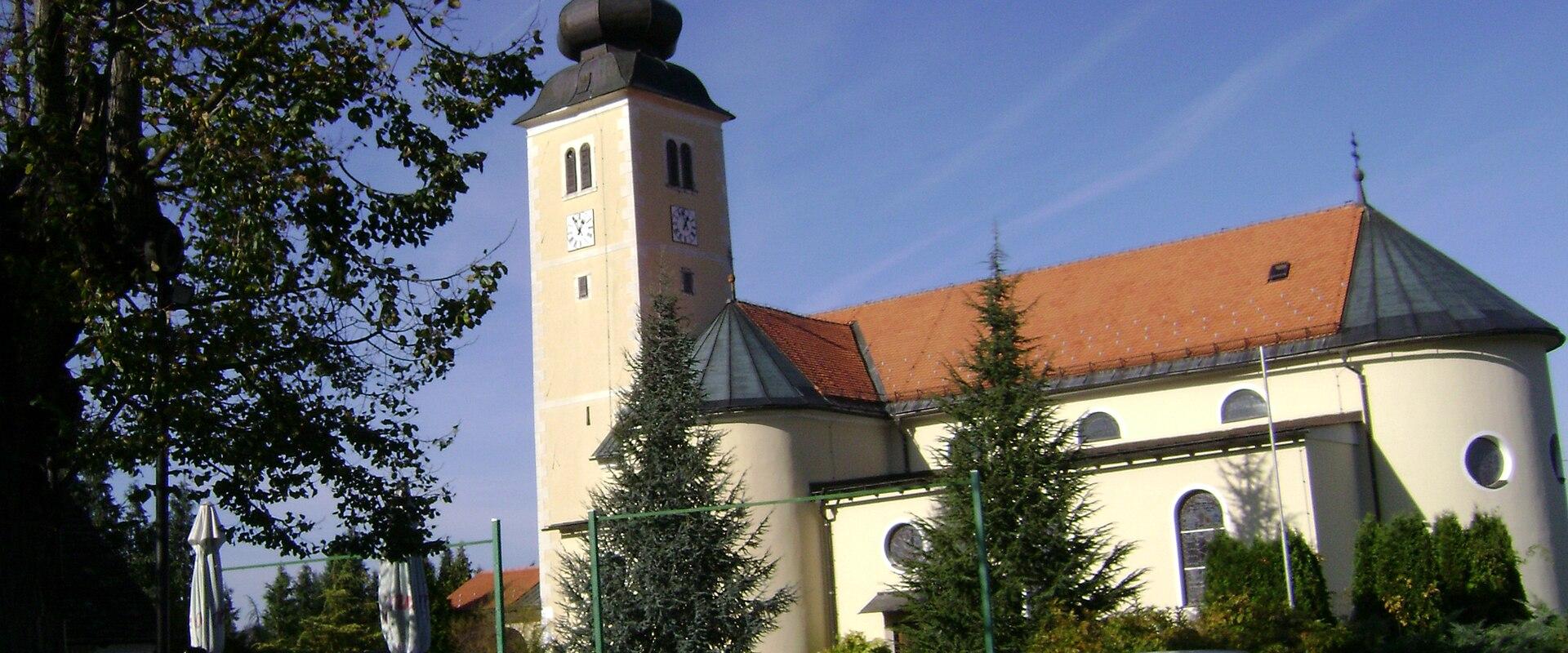
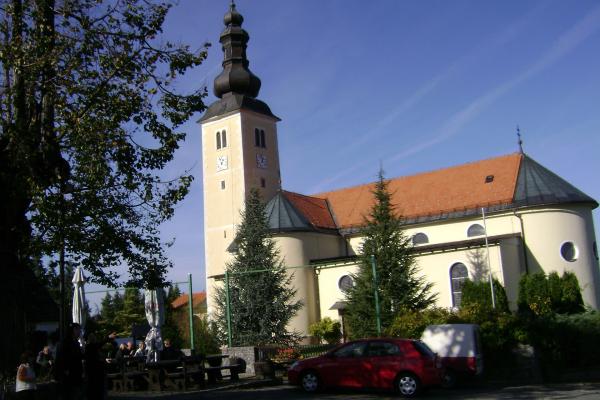
The Parish Church of St. Juraj, or St. George, stands in Brseč, a small medieval town on a cliff above the Adriatic Sea and the Kvarner Bay on the eastern coast of Istria, in Croatia. The town sits about a hundred and sixty metres above the sea, on a rocky spur with views across the water to the islands of Cres and Krk, and the church is one of the main landmarks of its tight cluster of stone houses.
Much of the interest is the setting, because Brseč is one of the most dramatically placed settlements on the Istrian coast. The old town is built on the edge of the cliff, with a ring of walls and a fortress that once guarded it, and the streets are narrow, steep and stone-paved, winding between houses that mostly date from the seventeenth century and later. There are no big sights in the sense of grand monuments. The pleasure of the place lies in its atmosphere, in the stone, the stairs and the glimpses of the sea between buildings, and the church fits into this with its plain exterior and its position at the centre of the community.
A parish church such as this one is more than a place of worship. It is where the village marks its calendar, with Masses, processions and festivals, and it often hosts local events. St. George is a popular patron saint across the Adriatic region, and his feast day in April is celebrated in many places. The church has been renovated at different times, including by a parish priest, and it keeps the simple, practical look of a village church, with little decoration outside and a modest, traditional interior. Whether you can enter depends on services and the season, and visitors should dress modestly.
Around the church are several other places of interest. Brseč was the birthplace of Eugen Kumičić, a nineteenth-century Croatian writer, and his birth house has been turned into a library and gallery. The remains of the castle and the town walls are within a short walk, and a cemetery church lies at the edge of the settlement. The sculptor Ljubo de Karina has an open-air gallery nearby, where figures stand among the trees and stone walls. From the terraces beside the church, the view over the Kvarner Bay and the rugged coastline is memorable, especially at sunset.
Getting to Brseč involves a narrow, winding road from the coast road, and parking is limited, so allow time. Brseč’s village is quiet, and services are simple, so bring water and a snack. A visit of an hour or two suits walkers, photographers and anyone who likes small, remote towns. Spring and autumn are the most pleasant seasons.
Categories
More photos coming soon
Nearby Attractions
Other places to visit in Brseč
Brseč Castle
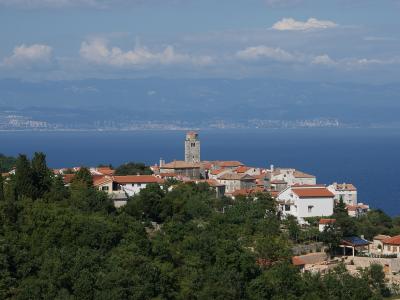
Medieval castle at Brseč’s historic heart
History & Heritage · Castles
Birth House of Eugen Kumičić (Library and Gallery)
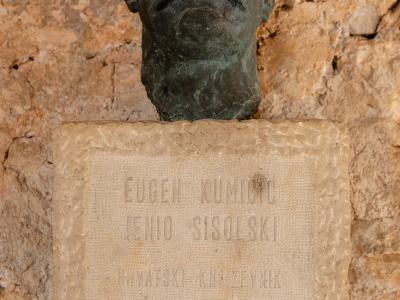
Birthplace of Eugen Kumičić: library and gallery
Cultural Experiences
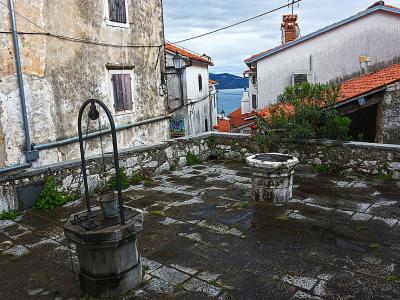
Šterna (Village Cistern), Brseč
Historic stone well at Brseč village center
Free History & Heritage · Urban Exploration
Questions people ask
Quick Facts
Best Time to Visit
May to June and September to October offer pleasant weather, inviting sea, and fewer crowds; summer is ideal for beach activities and lively village events.