







- Where
- Rastoke, Central Croatia
- Directions
- Directions
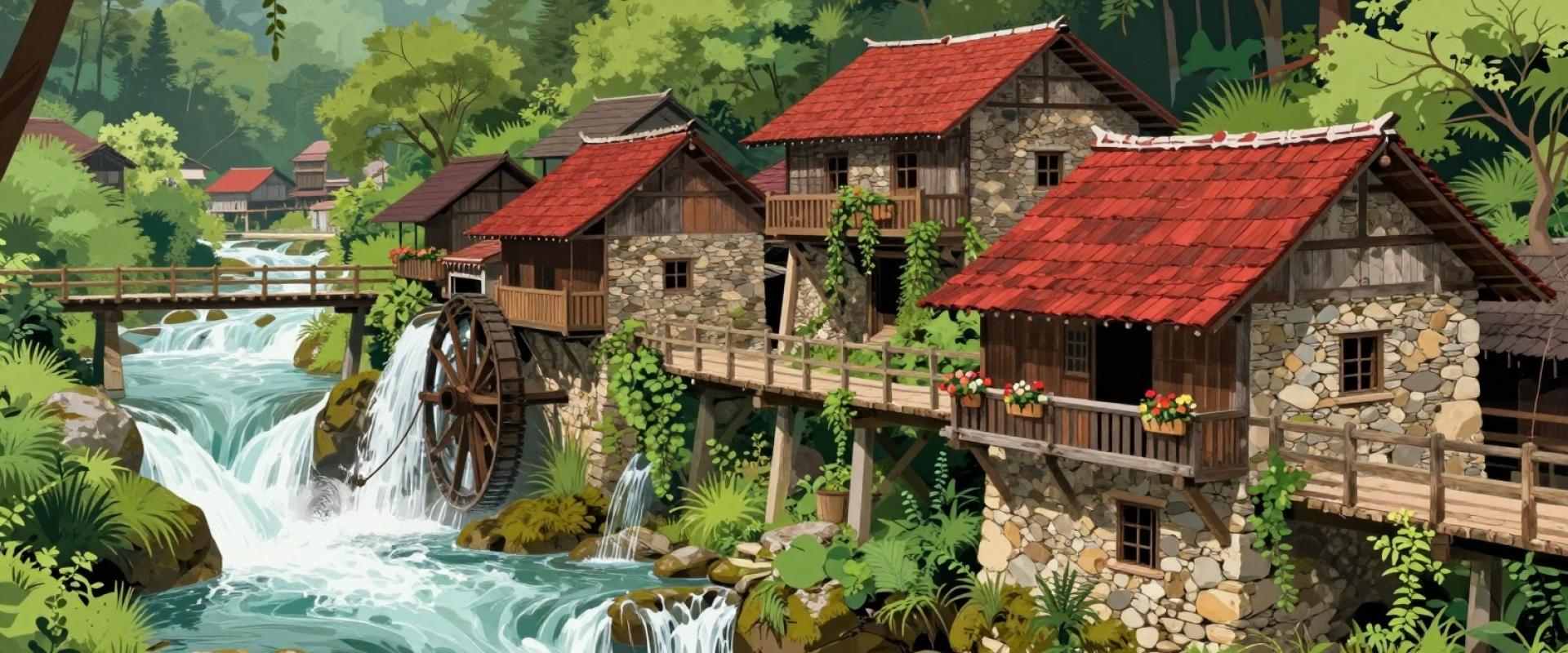
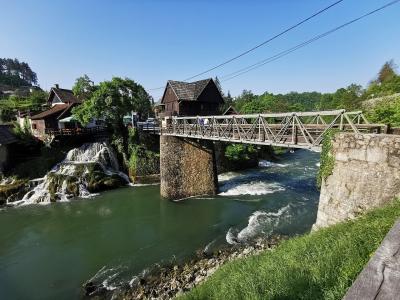
Rastoke is the old milling quarter of Slunj, a small town in central Croatia, and it is one of the country's prettiest examples of rural architecture set into a natural landscape. Here the Slunjčica river reaches the point where it joins the Korana, and just before the confluence it breaks into countless small streams, cascades and pools over a wall of tufa, the soft porous rock that forms when mineral-rich water deposits lime. Over centuries the villagers built houses and mills directly on and around these falls, so that water runs under footbridges, between walls and through the middle of gardens.
The mills were the village's livelihood. They ground grain, and some of the buildings housed other water-powered tools, such as fulling mills for cloth and small sawmills. The wooden structures, with steep roofs and open sluices, were rebuilt many times, and many of the houses seen today go back to the 19th and early 20th centuries, though people have lived and worked by this water for far longer. Rastoke has been protected as a cultural and historical monument since the 1960s, and in recent decades several mills have been restored, with a few kept as private homes, guest rooms and small restaurants.
Walking is the whole point. Paths and wooden bridges follow the water, and from several small viewing points you can look down on a succession of falls, the largest of which plunge into pools below the village, where the Korana continues in a green canyon. The sound of water is constant and the air is cool and damp, even in midsummer. A visit takes one or two hours, longer if you stop for a meal beside the river. The nearby Fairy Garden (Vilin Gaj) and the Historic Watermills of Rastoke are part of the same area, and the guest house called Vučeta is among the old buildings that give the village its distinctive look.
Rastoke is often described as a smaller, quieter cousin of Plitvice Lakes National Park, which lies roughly half an hour away by car, and the two make a natural pair on a trip through Lika and Kordun. Rastoke is free to wander, and is much less crowded than the national park, especially if you arrive in the morning or in the shoulder seasons.
It suits photographers, families and anyone who likes places where people and nature have shared the same small space for hundreds of years. Wear shoes with grip, as stones and boards can be wet and slippery.
Categories
More photos coming soon
Nearby Attractions
Other places to visit in Rastoke
Historic Watermills of Rastoke
Historic watermills by cascading Croatian waterfalls
Cultural Experiences · History & Heritage
Fairy Garden (Vilin Gaj)
Waterfall village where rivers meet in Rastoke
Natural Wonders
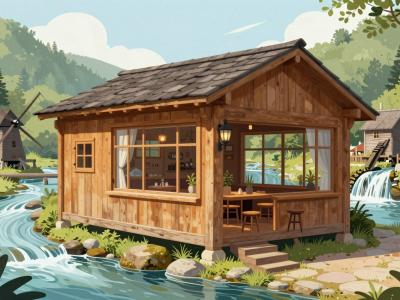
Pod rastočkim krovom
Watermill village where rivers meet waterfalls
Cultural Experiences
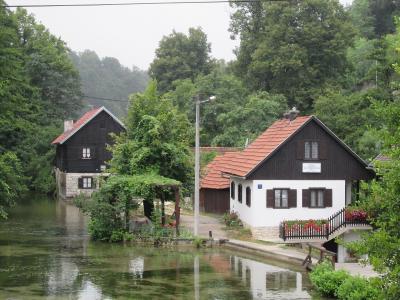
Vučeta Guest House (as historic building)
Historic guest house overlooking Rastoke waterfalls
History & Heritage · Historic Houses
Questions people ask
Quick Facts
Best Time to Visit
May to June and September to October offer mild weather, full rivers, and ideal conditions for waterfalls, hiking, and exploring the village and nearby parks.