








Romanesque Bell Tower
Romanesque bell tower marking Lovran’s medieval skyline
The Romanesque bell tower in Lovran rises above the roofs of the old town, on the eastern coast of Istria, and it gives the skyline its medieval shape. Lovran is one of the oldest settlements on this stretch of the Kvarner coast, with roots reaching back to Roman times, and it grew into a walled town with a compact core of stone houses, churches and narrow lanes. The bell tower belongs to this historic centre, and it is a reminder that Lovran was a place of some importance long before it became a fashionable seaside resort in the Habsburg era.
Detailed records about the tower are limited, so it is best described by its style rather than by a documented history. Romanesque architecture, which spread across Europe from roughly the 11th to the 13th centuries, favoured thick walls, small round-arched openings and a plain, solid profile with little ornament. Bell towers of this period were built of local stone, in sturdy square forms, and they often stood slightly apart from the church or were attached to it at the side. In a small coastal town they served several purposes: calling people to prayer, announcing events and acting as a lookout. The tower in Lovran follows this tradition, and its simple lines contrast with the lighter, more decorative buildings of the 19th century nearby.
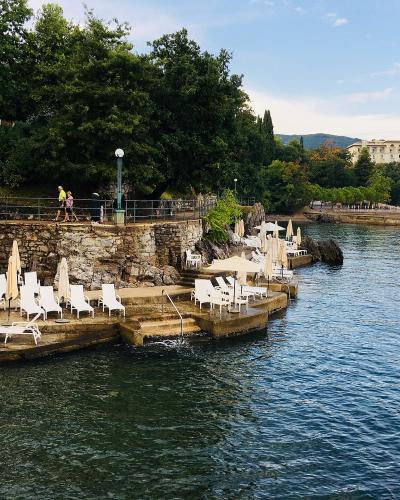
The old town around it is worth exploring slowly. Narrow cobbled streets climb between houses with Gothic and Renaissance details, and small squares open up with fountains and stone benches. Lovran is known for its chestnut trees, and the autumn marron festival fills the streets with the smell of roasting nuts, while the surrounding hills supply laurel and other aromatic plants. The Lungomare, a long seaside promenade that runs from Lovran toward Opatija, starts close to the town and gives an easy, flat walk with sea views, so the tower can be combined with a stroll by the water.
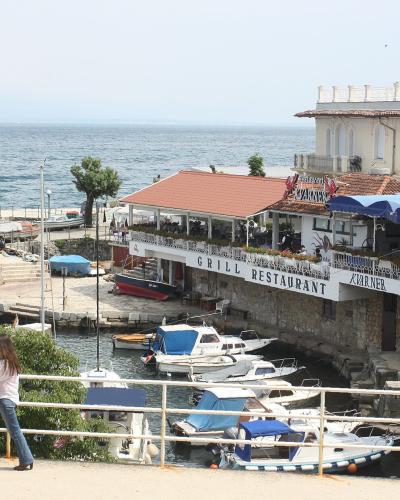
Photographers will find good angles from the lanes below, and from the Lungomare you can see the tower rising above the town. The area around it is lively, with cafés, small shops and the movement of daily life, and Lovran Marina and its waterfront restaurants are a short walk down the hill. Medveja Bay, a pebble beach a few kilometres south, offers a swim after sightseeing.
The tower suits history lovers, architecture enthusiasts and walkers who enjoy small Adriatic towns. It is free to see from outside, and the interior is generally not open to the public.
Categories

More photos coming soon
Nearby Attractions
Other places to visit in Lovran
Frequently Asked Questions
Quick Facts
Best Time to Visit
May to September offers warm weather, inviting sea, and lively festivals; spring and early autumn are ideal for hiking, sightseeing, and relaxed coastal stays.