







- Where
- Krasno, Lika
- Directions
- Directions
Velebit Nature Park protects the whole length of the Velebit mountain range, the great limestone wall that runs for about 145 kilometres along the Croatian coast, between the Adriatic and the inland plateau of Lika. It is the largest protected area in Croatia, with an area of more than two thousand square kilometres, and it includes two national parks, Paklenica in the south and Northern Velebit, as well as a wide belt of mountain, forest and coast between them. The mountain is also recognised as a biosphere reserve in the world network of UNESCO, and it is one of the main reasons why Croatia is regarded as a country of natural wonders.
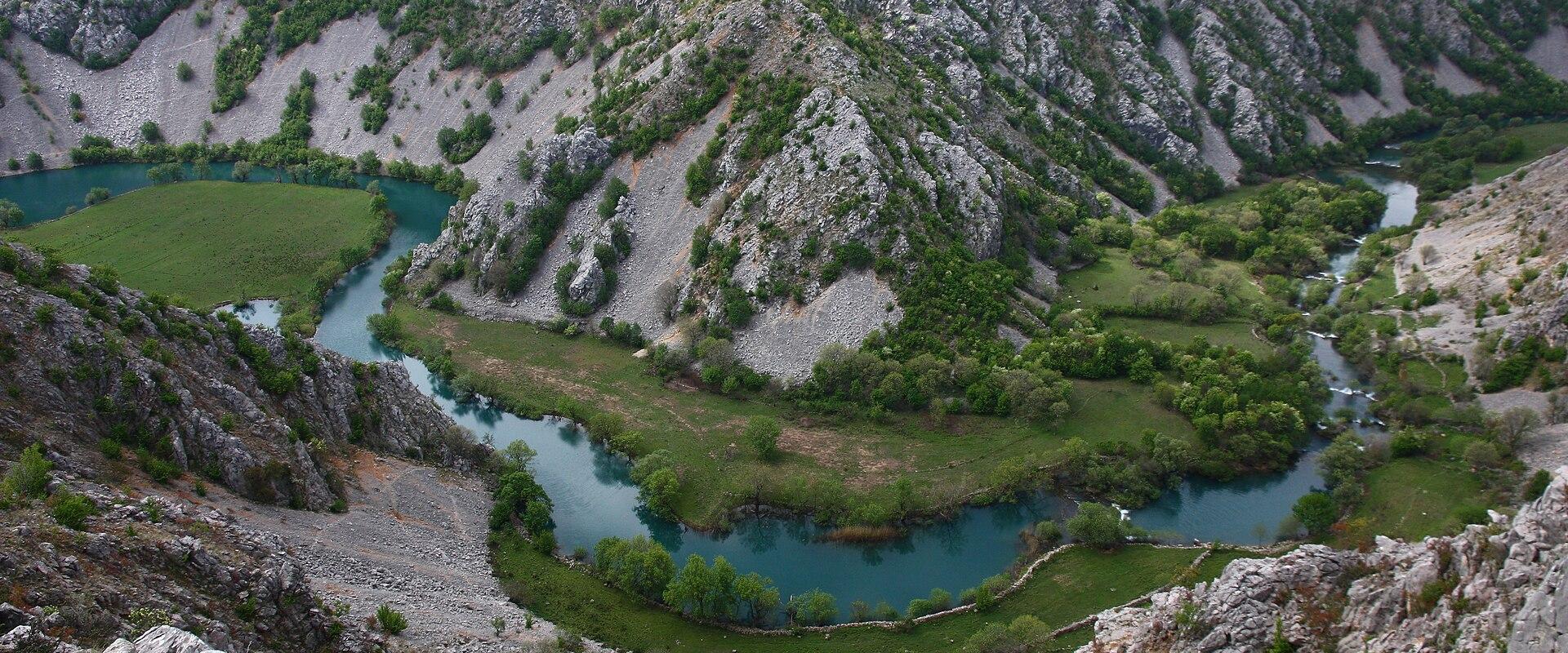
The geography is dramatic. The seaward side of Velebit drops almost vertically into the channel between the mainland and the islands, with bare grey cliffs and screes, while the inland side falls away in gentler wooded slopes toward the plains of Lika. The highest summit is Vaganski Vrh, at about 1,750 metres, and the ridge is crowned by a succession of peaks, rocky towers and high pastures. Karst processes have riddled the limestone with caves and shafts, among them some of the deepest in the world, with the Lukina Jama system plunging more than a kilometre below the surface. Beech and fir forests, alpine grasslands and rocky outcrops provide a mosaic of habitats.
Biodiversity is the park's great strength. Velebit lies where Mediterranean, Alpine and continental climates meet, and the mountain shelters several thousand species of plants and animals, including a number of endemic ones, such as the Velebit degenia, a small yellow-flowered plant that is the symbol of the range. Bears, wolves and lynx live in the forests, and rare birds of prey nest on the cliffs. Botanical reserves, such as the area of Visibaba and the zone of Zavižan, Balinovac and Velika Kosa, protect the richest plant communities, and a botanical garden at Zavižan shows many of the mountain's species.
For walkers, the park offers a network of trails, of which the best known is the Premužić Trail, a long, gently graded path built in the 1930s along the contours of the mountain, with wide views over the sea and the islands. Mountain huts provide basic shelter and meals in season. The park also preserves traces of human history, including shepherds' huts, old chapels, watermills and trails used for centuries to carry salt and livestock between the coast and the interior. The village of Krasno has a forestry museum and visitor information, and the park offices in Gospić can advise on routes and regulations.
Weather in the mountains can change quickly, and the coastal side is exposed to the bora wind, so bring layers, rain gear and plenty of water, and stay on marked paths. Roads into the high areas are rough and may be closed in winter. The park suits hikers, climbers, botanists and photographers. Allow several days to explore.
Categories
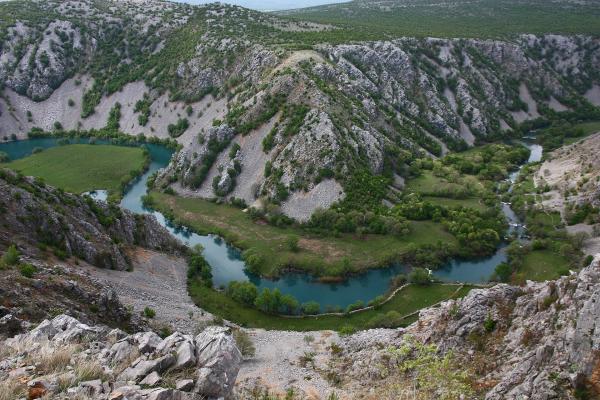
More photos coming soon
Nearby Attractions
Other places to visit in Krasno

Croatian Forestry Museum (Forestry Museum Krasno)
Croatia’s first museum dedicated to forestry history
Cultural Experiences
Northern Velebit National Park
UNESCO beech forests and rugged karst peaks
Natural Wonders · Hiking Trails
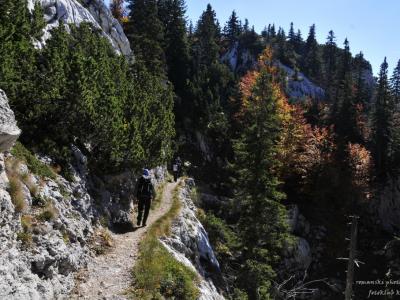
Premuzic Trail
Historic 57 km trail across Velebit peaks
Activities & Adventure · Natural Wonders
Questions people ask
Quick Facts
Best Time to Visit
May through September offers warm temperatures and sunny days ideal for hiking in the mountains.