







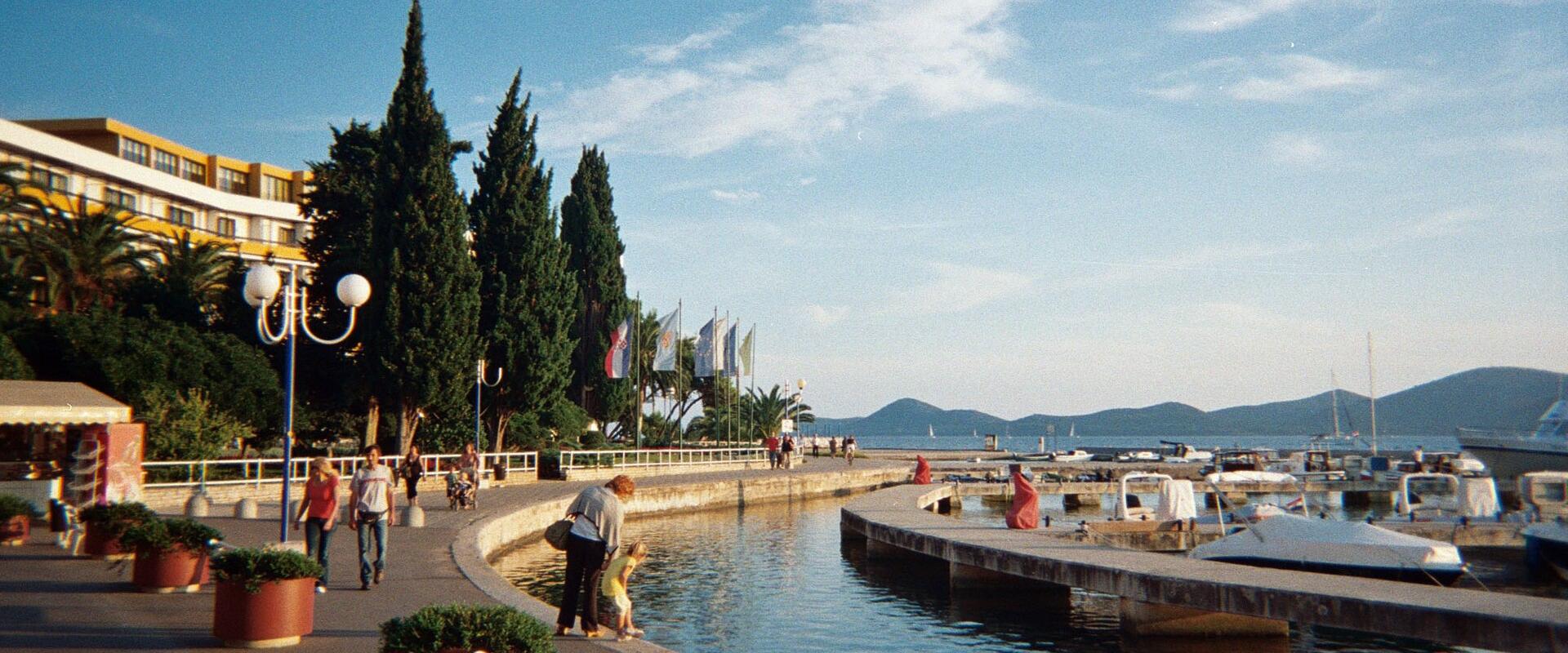
Biograd na Moru’s history stretches back to the early Middle Ages, when it served as the seat of Croatian kings and a significant port on the Adriatic. The town was first mentioned in the 10th century and flourished as a royal and ecclesiastical center, and it is known that King Kolomán of Hungary was crowned King of Croatia here in 1102. In 1125 the Venetians destroyed the town, and its inhabitants moved away, but it was later rebuilt. Over the centuries Biograd was shaped by Venetian, Ottoman and Austro-Hungarian influences, which are still visible in its architecture and cultural heritage. The town’s strategic location made it a hub for trade, shipbuilding and fishing, traditions that continue to define its character today.
The center of Biograd is its charming old town, set on a small peninsula between Soline and Bošana bays. Here visitors can stroll along narrow streets lined with stone houses, visit the Church of St. Anastasia, and explore the Biograd Heritage Museum, Zavičajni muzej, which shows artifacts from the town’s royal and maritime past, including a collection of finds from a ship that sank in the 16th century. The Church of St. Roch is another quiet spot, and Biograd City Park offers shade. The lively waterfront promenade is lined with cafes, restaurants and shops, offering views of the marina and the nearby islands.
Biograd is renowned for its beaches, including the popular Dražica and Soline beaches, both awarded Blue Flag status for cleanliness and amenities. These pebbly and sandy stretches are good for swimming, sunbathing and water sports, with facilities for windsurfing, kayaking and paddleboarding. The town’s modern marina, Marina Kornati, is one of the largest on the Adriatic and a starting point for sailing trips to the Kornati archipelago, a national park of over 140 islands and islets. The bays are shallow and sheltered, which suits families with young children.
Nature lovers can explore the nearby Vransko Lake Nature Park, an ornithological reserve and Croatia’s largest natural lake, a good place for birdwatching, cycling and fishing. Boat excursions from Biograd also visit the islands of Pašman and Galešnjak, known for their pristine beaches and clear water, and Galešnjak, seen from the air, has the shape of a heart. Day trips to the Krka National Park, with its famous waterfalls, are easily arranged from town.
Biograd’s calendar is filled with summer festivals, regattas and open-air concerts, which create a lively atmosphere throughout the season. The town’s restaurants serve fresh seafood, Dalmatian specialties and local wines, while the markets offer regional produce and handmade crafts. Family-friendly attractions include the Dalmaland amusement park and a variety of playgrounds and sports facilities. Fish, shellfish and the local olive oil are the best choices on the menu, and the cakes made with almonds and figs are a regional sweet.
Getting to Biograd na Moru is straightforward. The town is well connected by road, with regular buses from Zadar and Split, and is easily accessible by car. The nearest airport is Zadar Airport, about 30 kilometers away. Accommodation options range from hotels and resorts to private apartments and campsites, catering to all tastes and budgets.
The best time to visit Biograd na Moru is from late June to late August, when the weather is hot, the sea is warm and the town’s beaches and events are in full swing. Spring and early autumn, May-June and September, offer milder temperatures, fewer crowds and excellent conditions for outdoor activities and sightseeing. Whether you are seeking history, adventure or relaxation by the sea, Biograd na Moru offers a memorable Dalmatian stay.
Best time to visit
Late June to late August offers hot weather, warm sea, and lively events; May-June and September are quieter with pleasant temperatures for outdoor activities.
What to see in Biograd na Moru
Our picks first.
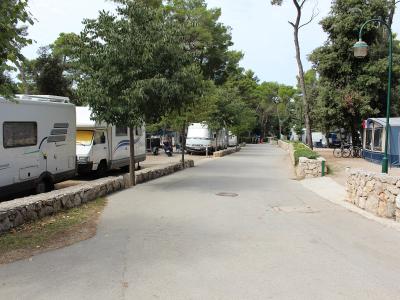
Soline Beach (Plaža Soline)
Sandy beach framed by pines in historic Biograd
Coastal & Maritime · Beaches
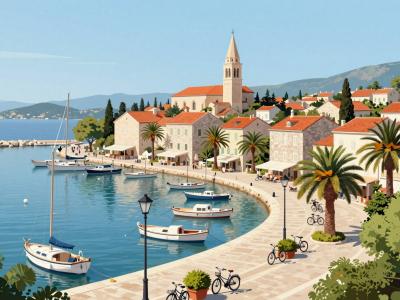
Biograd Waterfront (Riva Biograd)
Historic Adriatic port with medieval landmarks
Coastal & Maritime · Urban Exploration
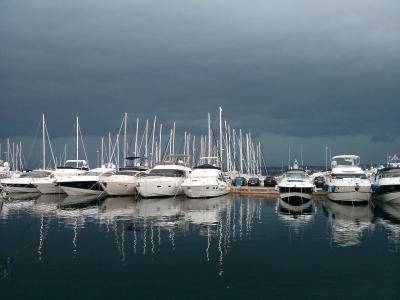
Marina Kornati
Among the oldest nautical marinas in Croatia with 800+ berths
Coastal & Maritime · Water Sports
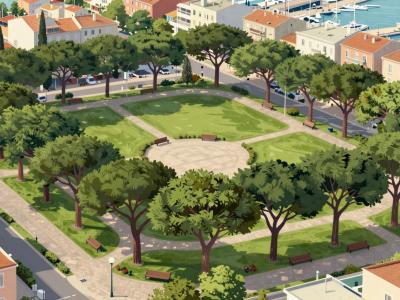
Biograd City Park
Seaside park between two marinas in Biograd
Urban Exploration
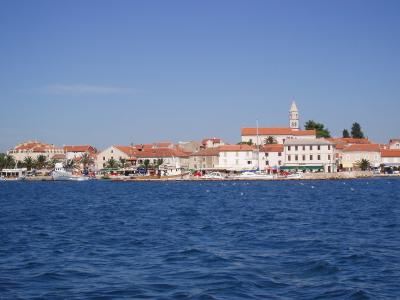
St. Anastasia Church (Crkva svete Stošije)
Baroque church in historic Croatian royal town
Cultural Experiences · History & Heritage
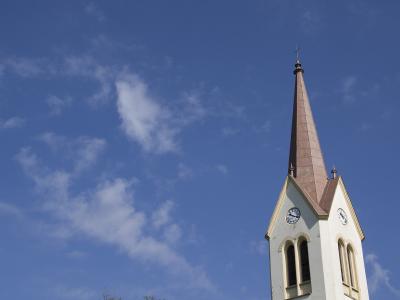
St. Roch Church (Crkva svetog Roka)
17th-century church with 18th-century gilded altar
History & Heritage · Historic Churches
Biograd na Moru by interest
The same sights, grouped by what you came for.
Did you know?
Checked facts about Biograd na Moru, each with its source.
-
History
Biograd na Moru Was a Seat of Croatian Kings
In the 11th century Biograd na Moru was a seat of the Croatian kings and a political and church centre of the early Croatian state. According to some historical sources, Coloman was crowned King of Croatia and Dalmatia here in 1102. A Venetian attack destroyed the town in 1125.
Source: Total Croatia News
Planning a visit to Biograd na Moru
Good to know
- Currency
- EUR
- Language
- Croatian
Quick Facts
Book your stay
Questions people ask
More places in Dalmatia
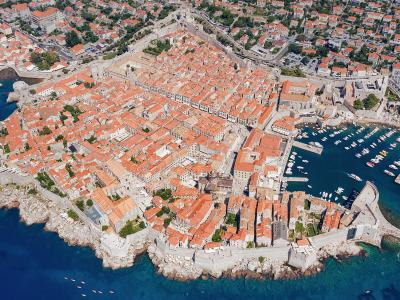
Dalmatia
Dubrovnik
Walled Adriatic city with UNESCO heritage and coastal views
Dalmatia
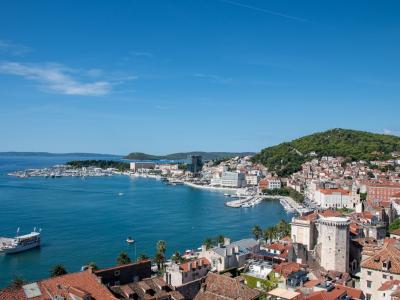
Split
Roman palace city with Adriatic beaches and vibrant nightlife
Dalmatia
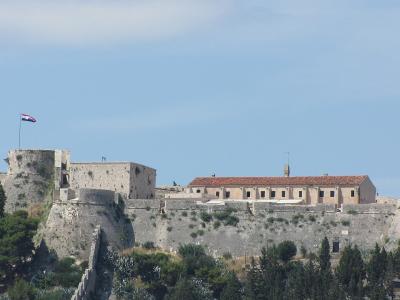
Hvar
Sun-drenched Dalmatian island with beaches and lavender fields
Dalmatia
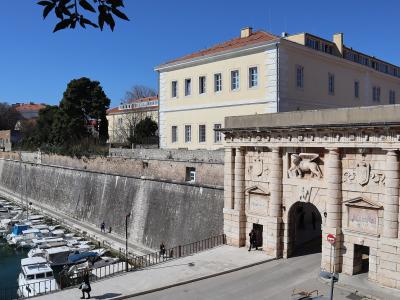
Zadar
Ancient Dalmatian port with Roman ruins and modern art