The cheapest beds in Croatia are hostel dorms in the cities and pitches or mobile homes in campsites, but the most typical budget stay is a private room or apartment let by a local family, known as sobe (rooms) and apartmani (apartments). Prices follow the season closely: July and August cost the most on the coast, while June and September offer much better value with the sea still warm.
Private rooms and apartments
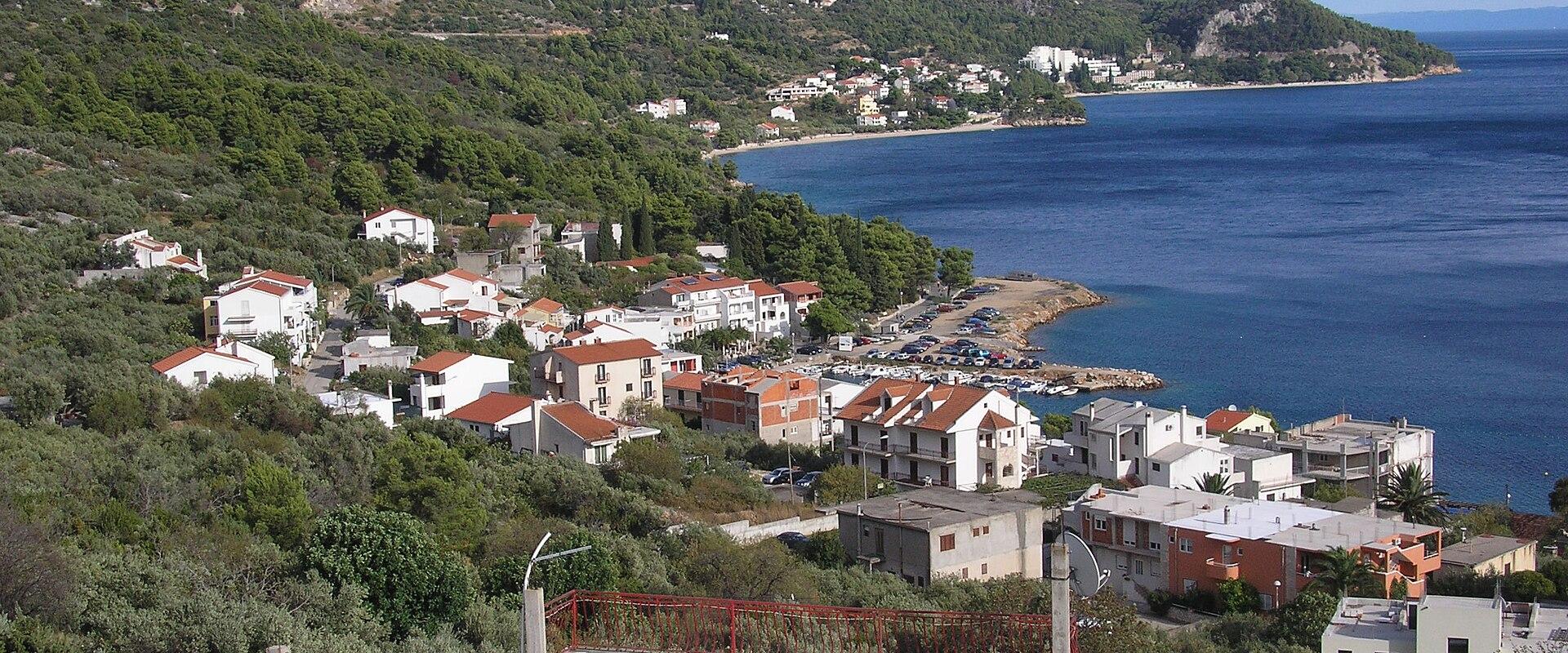
Private accommodation is the largest part of Croatia's tourist bed supply. Along the coast and on the islands, many family houses have a floor or a few units for guests, often signed "Sobe – Zimmer – Rooms" or "Apartmani". Most are now listed on the major booking platforms, but some owners still take direct bookings by phone or email.
What to expect:
- Apartments usually have a small kitchen, which cuts food costs considerably.
- Units are officially categorised with stars, which reflect facilities rather than location or atmosphere.
- In high season many owners set a minimum stay, and some only take week-long bookings with fixed changeover days. Short stays of one or two nights often cost more per night, if they are accepted at all.
- Hosts must register every guest with the local tourist board through the national eVisitor system, which is why they ask for passport or ID details on arrival.
- Smaller owners may prefer cash; confirm before arrival whether cards are accepted.
- Arriving without a booking is still possible outside high season, when signs on houses advertise free rooms and local travel agencies keep lists of private accommodation. In July and August it is a gamble.
- Older apartments near the sea may lack air conditioning, which matters in July and August. Check the listing rather than assuming.
Hostels
Hostels are concentrated in Zagreb, Split, Zadar, Dubrovnik and Pula, with a scattering in places such as Hvar town, Makarska and Plitvice. Dorms are the cheapest roof in any Croatian city, and most hostels also have private double rooms that can undercut apartments for short stays.
Some hostels in Split and Hvar town are known for a party atmosphere in summer, which suits some travellers and keeps others awake. Reviews mentioning noise, bar crawls or late check-in hours give a good indication. Outside the cities, hostels are rare and a private room is usually the budget choice.
Camping and mobile homes
Croatia has a large number of campsites, especially in Istria, the Kvarner islands and northern Dalmatia. Many are big, well-equipped sites by the sea, and many rent mobile homes, which often sleep four to six people and can work out cheaper per person than apartments for families and groups. Croatia also has a long tradition of naturist campsites, mainly in Istria and Kvarner.
Wild camping, including sleeping in a campervan outside authorised sites, is prohibited, and fines are enforced in popular coastal areas. Camping cards and early-booking offers from larger camping groups can bring prices down outside July and August.
How prices change through the year
| Period | What to expect on the coast |
|---|---|
| July and August | Highest prices, minimum stays, best places booked months ahead |
| June and September | Noticeably cheaper, more flexible stays, sea warm enough to swim |
| May and October | Lower prices, but some places and ferry lines run reduced services |
| November to April | Many coastal properties closed; cities stay open |
Zagreb and the inland regions work differently. Zagreb has year-round demand, with a December peak during Advent in Zagreb, the city's Christmas season, and Slavonia, Zagorje and Lika are generally cheaper than the coast throughout the year. Around Plitvice Lakes, prices rise in summer but guesthouses in the surrounding villages are plentiful.
Tourist tax and other extras
Every guest pays a tourist tax (boravišna pristojba) per person per night. The amount is set locally and differs between municipalities and seasons; in Zagreb it was about €1.86 per person per night in 2026. Booking platforms sometimes include it in the total and sometimes leave it to be paid on arrival, so read the price breakdown. Check also for cleaning fees on apartments, extra charges for air conditioning or parking, and whether a deposit is required.
Where to save
- Dubrovnik: rooms inside the Old Town walls carry a premium and often involve many steps. Lapad and Gruž have more apartments, buses to Pile Gate and, in Gruž's case, the ferry port.
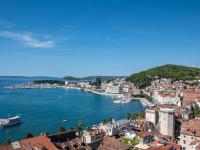
- Split: staying a short bus or walking distance outside Diocletian's Palace is usually cheaper and quieter than inside it.
- Hvar: Hvar town is the island's most expensive base; Stari Grad and Jelsa are calmer and often better value.
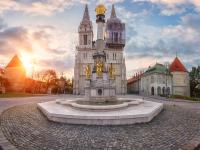
- Zagreb: the centre is compact, and neighbourhoods a few tram stops from Ban Jelačić Square are usually cheaper and still well connected by ZET trams.
- Istria: inland hill towns and villages can cost less than seafront Rovinj or Poreč and are a short drive from the coast, but need a car.
- Islands in general: a mainland base with day trips by ferry can save money, although frequent crossings add up for families.
Booking tips
- For July and August, book early, especially for apartments with parking or for groups.
- Check the exact location on a map; "near the beach" on a hillside can mean a steep walk back.
- Ask about parking before booking in old towns, where spaces are scarce.
- Read the cancellation terms. Non-refundable rates are cheaper but leave no room for changed plans.
- For longer stays, contacting the owner directly after finding them on a platform can sometimes bring a better rate, but keep the agreement in writing.
- Arriving late? Tell the host your time; many private hosts meet guests in person to hand over keys.