







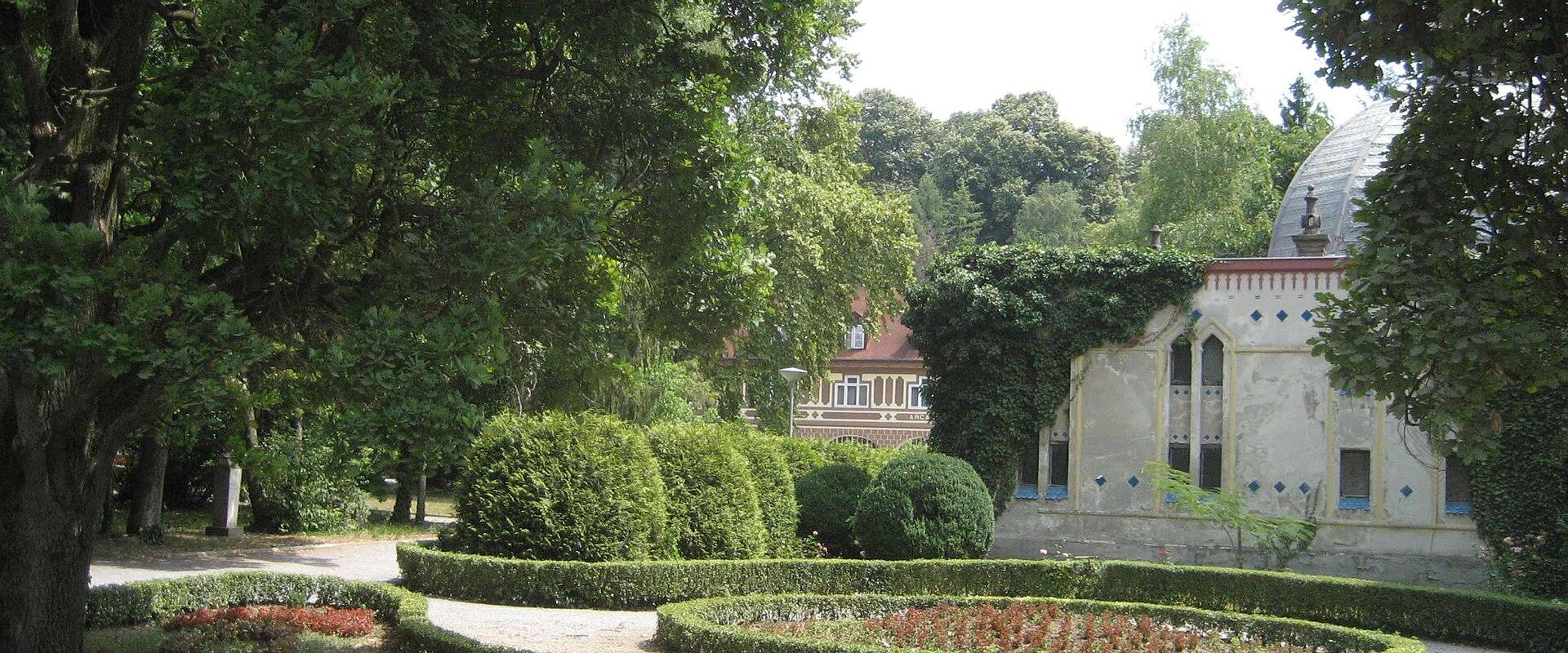
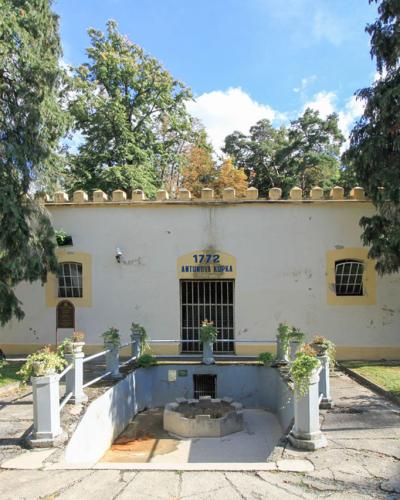
Daruvar is a Croatian town in the hills of Slavonia, in north-central Croatia, that has been known for its warm mineral springs since antiquity. Under Roman rule the place was called Aquae Balissae, the waters of Balissa, and left the remains of baths there, and in the 18th century the Janković family, Hungarian-Croatian nobles who owned the estate, built a new spa and a planned town around the springs. The kupka in the name Antunova Kupka means a small bath or bathing place, and the spa district of Daruvar is full of such places, each with its own story.
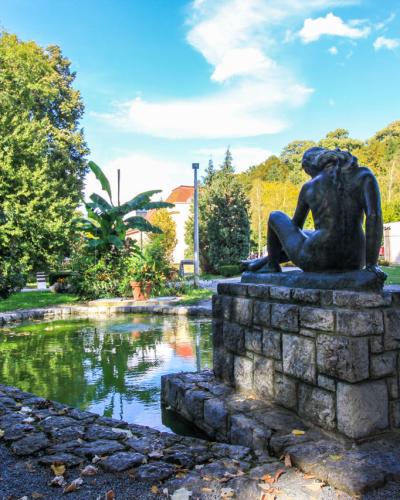
Antunova Kupka belongs to this tradition of historic baths. It is thought to be linked with Count Antun Janković, the owner who developed the spa in the 18th century, which would explain the name, though little of its history is recorded and it is best approached as a piece of spa heritage rather than a formal monument. The spring water in Daruvar is naturally warm, rich in minerals and used for treating rheumatic illnesses, and the town has centuries of experience in therapeutic bathing. The spa area, with its old trees, formal paths and nineteenth-century buildings, is among the most pleasant spa parks in Croatia.
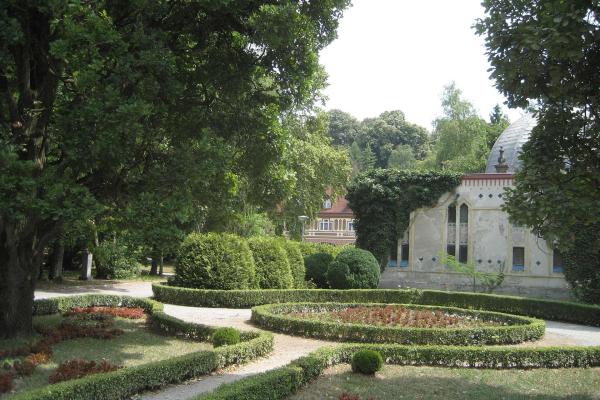
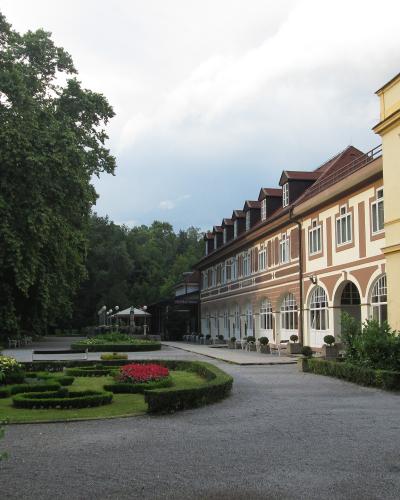
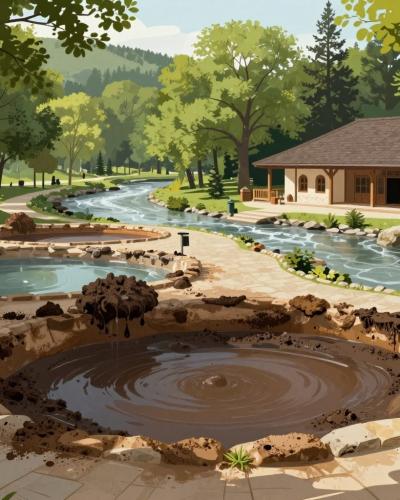
The setting around the bath is a major part of the appeal. Daruvarske Toplice, the spa complex, lies in a green park of mature trees, lawns and flower beds, with benches and shaded paths where guests walk between treatments. Julijev Park, named after a member of the Janković family, is a landscaped park with a stream and paths for gentle walks. The Janković Castle, a Baroque manor, stands nearby, and the Aquae Balissae Thermal Water Park, with pools, slides and wellness facilities, is a modern option for families. The Centralno Blatno Kupalište, the central mud baths, recalls the use of therapeutic mud, another traditional treatment of the spa.
Daruvar itself is a pleasant small town with a distinct character. A large Czech community settled here in the 19th century, and Czech culture, food and beer remain part of local life, with a brewery and festivals that recall that heritage. The surrounding hills are good for walking and cycling, and local cellars produce wine. The town is about an hour and a half from Zagreb by road.
Opening arrangements, prices and the conditions of individual baths change, so it is wise to ask at the spa or the tourist office. The bath suits spa visitors, history lovers and anyone who enjoys a quiet, shaded setting. Visit in spring or early autumn for pleasant weather.
Categories
More photos coming soon
Nearby Attractions
Other places to visit in Daruvar
Frequently Asked Questions
Quick Facts
Best Time to Visit
Late May to early September offers warm weather, lush parks, and ideal conditions for spa visits, festivals, and outdoor activities in the countryside.