







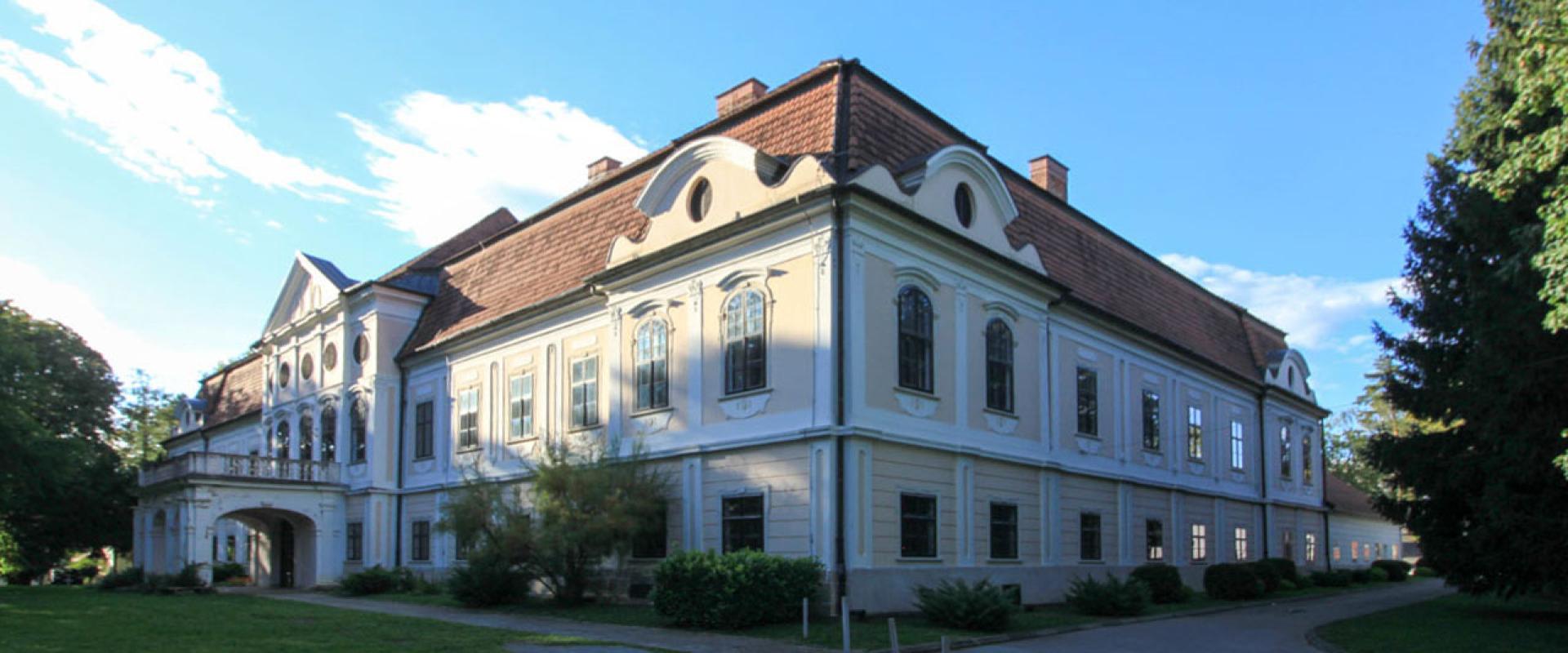
Daruvar’s history dates back to Roman times, when the area’s thermal springs were first recognized for their healing properties, and the Roman settlement of Aquae Balissae grew around the baths. The town’s name, derived from the Hungarian for crane’s castle, reflects its multicultural past and its importance through the centuries. In the 18th century the Janković family transformed Daruvar into a fashionable spa destination, building the Baroque Janković Castle and developing the surrounding parks and bathhouses. The castle remains a centerpiece of the town, set within Julius’ Park, a beautifully landscaped green space with rare trees, fountains and historic bath buildings such as Anton’s Bath and John’s Bath. The Antunova Kupka, as the first is known in Croatian, has an old-fashioned charm.
Daruvar’s reputation as a wellness destination is anchored by its thermal springs, which feed the Daruvarske Toplice spa complex. Visitors can enjoy treatments ranging from mineral baths and massages to modern wellness therapies. The central mud bath, a historic spa facility, is known for therapeutic mud treatments that have been used for generations. The Aquae Balissae water park offers family-friendly fun with pools, slides and wellness zones, which makes Daruvar a year-round destination for relaxation and recreation.
The town’s cultural life is equally rich. The Stjepan Radić Square and the main promenade are lined with cafes, shops and galleries, while the local museum and cultural center host exhibitions, concerts and community events. Daruvar is also known for its Czech minority, whose traditions are celebrated in festivals, cuisine and the town’s distinctive bilingual character. Czech settlers arrived in the 19th century, and the town’s brewery, founded in the 1840s, is among the oldest in Croatia. The annual Daruvar Beer Days and wine festivals highlight the region’s brewing and winemaking heritage, with local vineyards producing acclaimed Graševina and other varieties.
Outdoor enthusiasts will find plenty to explore in the surrounding countryside. Hiking and cycling trails wind through the Papuk foothills, forests and vineyards, offering scenic views and chances for wildlife spotting. The nearby Rimska park šuma, the Roman Park Forest, and the Planinarski Dom Omanovac, a mountain hut, provide peaceful retreats for nature walks and picnics. Day trips to Papuk Nature Park, a UNESCO Geopark, reveal waterfalls, caves and geological wonders. The Daruvar–Papuk Tourist Board gives information on routes and events, and a Moto Klub in the town draws motorcyclists in summer.
Czech influence is also visible on menus, which feature dumplings, goulash and sweet pastries next to Slavonian dishes. Daruvar’s sausages, pork and local cheese are often served with beer from the town brewery or with wine from the hills.
Getting to Daruvar is straightforward. The town is well connected by road and rail, with regular buses and trains from Zagreb, Bjelovar and other regional centers. Ample parking is available for those arriving by car. Accommodation options range from spa hotels and guesthouses to rural lodges and private apartments, catering to a variety of preferences and budgets.
The best time to visit Daruvar is from late May to early September, when the weather is warm and the town’s parks and vineyards are at their most vibrant. Spring and autumn offer mild temperatures, fewer crowds and excellent conditions for wellness treatments and outdoor activities. Whether you seek relaxation, cultural discovery or active adventures, Daruvar offers a restful and rewarding Croatian stay.
Best time to visit
Late May to early September offers warm weather, lush parks, and ideal conditions for spa visits, festivals, and outdoor activities in the countryside.
What to see in Daruvar
Our picks first.
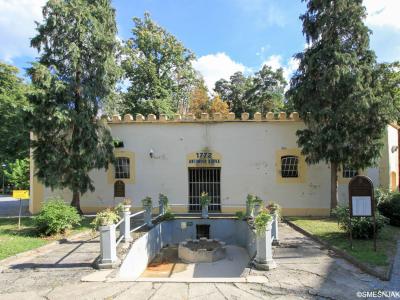
Julijev Park
Historic landscaped park with 150-year-old trees
Free Cultural Experiences
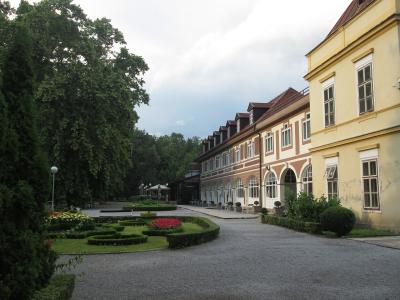
Daruvarske Toplice
Thermal springs and historic park in Daruvar
Activities & Adventure · Natural Wonders
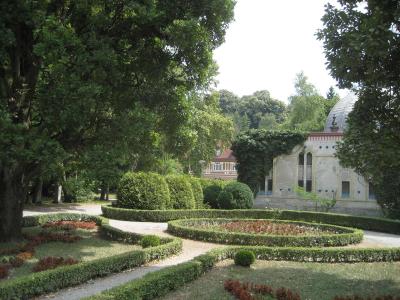
Antunova Kupka
Historic site in Daruvar, Croatia
Cultural Experiences · History & Heritage
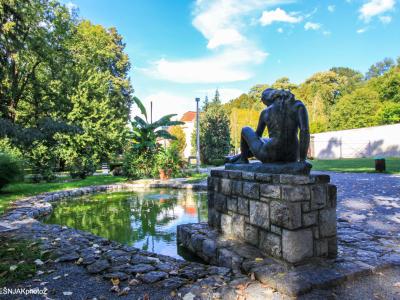
Aquae Balissae Thermal Water Park
Thermal spa with healing iron-rich waters
Activities & Adventure · Water Sports
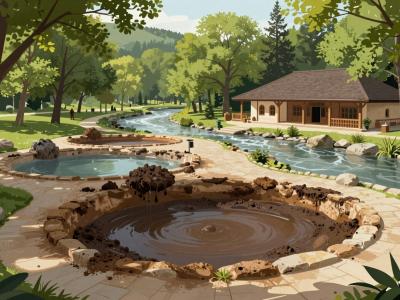
Centralno Blatno Kupaliste
Ancient thermal spa with iron-rich healing waters
Coastal & Maritime · Beaches
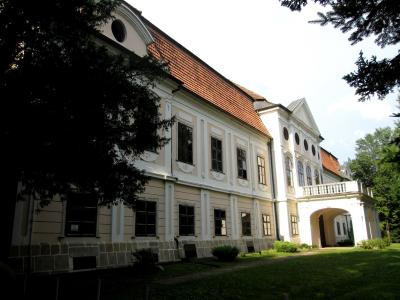
Dvorac Jankovic
Baroque castle with Croatia’s oldest Ginkgo tree
History & Heritage · Castles
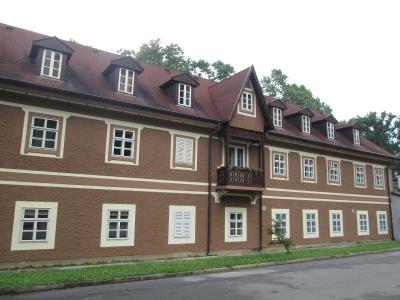
Daruvar Spa (Daruvarske toplice)
Thermal springs with 2,000 years of healing
Activities & Adventure
Daruvar by interest
The same sights, grouped by what you came for.
Planning a visit to Daruvar
Itineraries that include Daruvar
Good to know
- Currency
- EUR
- Language
- Croatian
Quick Facts
Book your stay
Questions people ask
More places in Central Croatia
Central Croatia
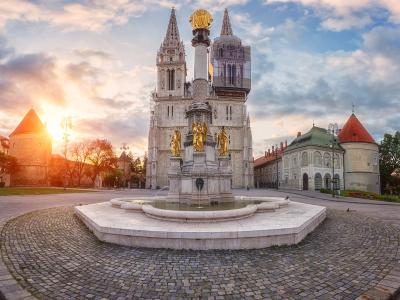
Zagreb
Croatia’s lively capital with parks, museums, and café culture
Central Croatia
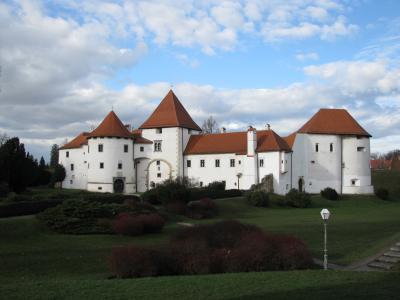
Varaždin
Baroque city with castles, palaces, and vibrant festivals
Central Croatia
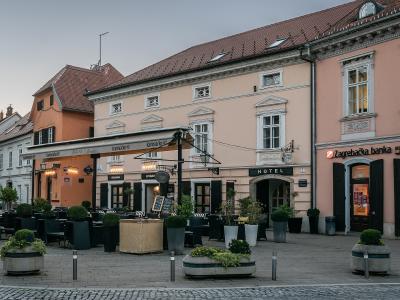
Samobor
Zagorje hill town with castle ruins and pastry traditions
Central Croatia
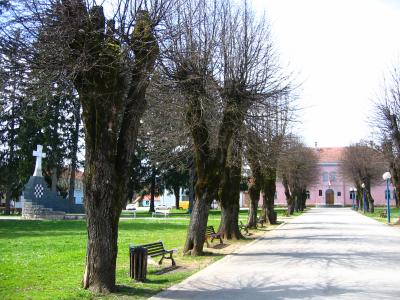
Slunj
Riverside town with waterfalls, mills, and adventure sports