








Archaeological Site (2nd–4th century BC)
Roman-era settlement ruins near Karlobag coast
The archaeological site in Karlobag preserves traces of the ancient settlement of Vegium, a Roman-era town on the Adriatic coast at the foot of the Velebit mountain range. Karlobag today is a small and quiet seaside town in Lika-Senj County, but its position, on a sheltered bay with access to the interior through mountain passes, made the area valuable long before the modern town was founded. Archaeologists connect the location with a Roman settlement that served as a military, transport and trade point along the coast, within the Roman province of Dalmatia. The remains are modest and scattered rather than a large excavated city, so visitors should treat the place as a quiet historic corner of the town.
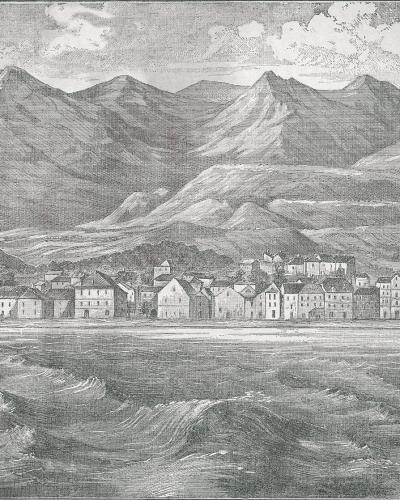
The site is located near the Capuchin Monastery of St. Joseph, which dates from the early 18th century, and the two make a natural pairing: one shows the oldest layer of the town's history, the other its Baroque rebirth. The modern name of the town comes from the 18th century, when it was rebuilt and named after Emperor Charles VI, giving it the name Karlobag. Earlier, the settlement had been known as Bag, and it passed through the hands of medieval nobles, Venice, the Ottomans and the Habsburgs, each leaving traces in the street plan and buildings.
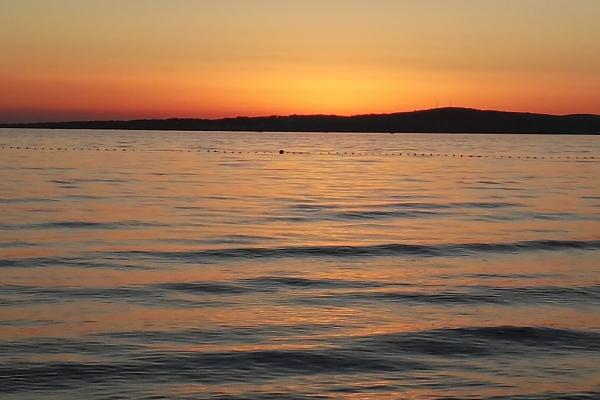
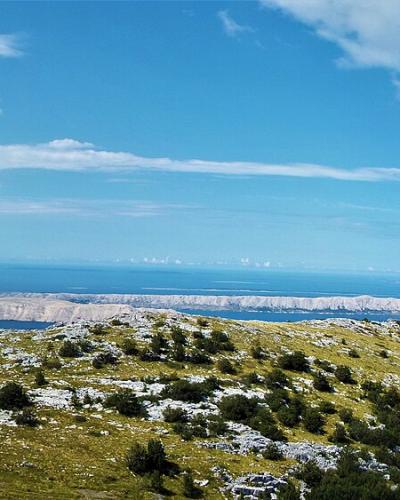
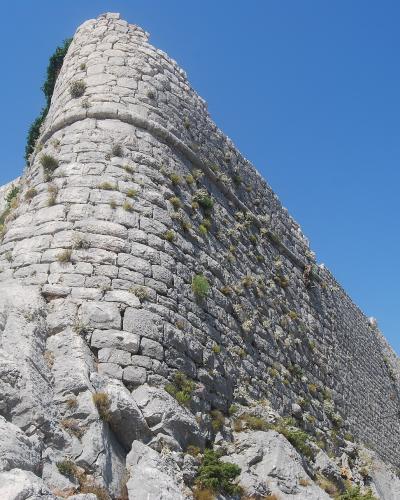
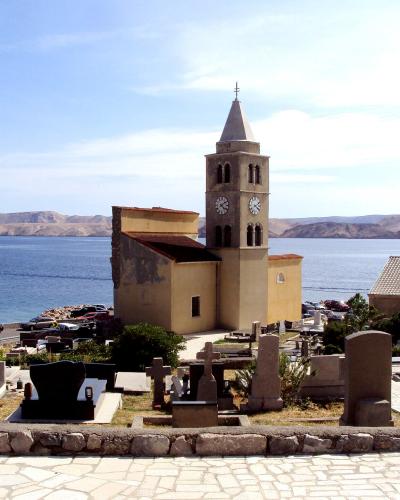
Because the site has limited visitor infrastructure, it works best as part of a walk through the town. Nearby are the Church of St. Charles Borromeo, a Baroque church in the old town, the ruins of Fortica, a medieval fortress on the hill above the harbour, and the Capuchin Monastery itself. From the fortress ruins there are views across the channel to the island of Pag and toward the sea, which help explain why the location was fortified. The seafront has pebble beaches, including Tatinja Beach and the beaches near Kubus, where it is easy to take a swim after sightseeing.
Expect to spend a short time at the site itself. Look for the remains of walls and foundations and any information boards, and consider asking at the local tourist information about current access. Wear comfortable shoes and bring water, as shade is limited in summer.
The site suits history enthusiasts and travelers following the Adriatic highway who want to learn about the long past of the Velebit coast. It is especially pleasant in spring and autumn, when the weather is mild and the town is quiet.
Categories
More photos coming soon
Nearby Attractions
Other places to visit in Karlobag
Frequently Asked Questions
Quick Facts
Best Time to Visit
May to September offers warm weather, inviting sea, and ideal conditions for beaches, hiking, and exploring the Velebit mountains and Adriatic coast.