








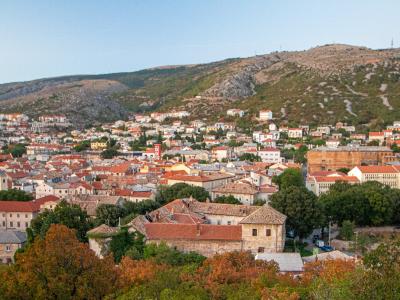
Karlobag’s history stretches back to Roman times, but it flourished as a fortified port and trading post in the Middle Ages. The town’s strategic location at the crossroads of the Adriatic and the Velebit range made it a key defensive outpost and a center for maritime commerce. Archaeological finds from the 2nd to 4th centuries BC show that the area was settled in antiquity. In the 16th century the Ottomans destroyed the town, and it was rebuilt in the early 18th century under Habsburg rule and renamed in honor of Emperor Charles VI. Remnants of its past can be seen in the ruins of Skrivanat Fortress, the Duke’s Court and the Congregational Church of the Assumption. The Monastery of St. Joseph, of the Capuchins, and the Church of St. George are highlights for lovers of art and architecture, and the Church of St. Charles Borromeo is another notable church. The Kapela Blazene Djevice Marije od sedam zalosti offers a peaceful retreat for reflection.
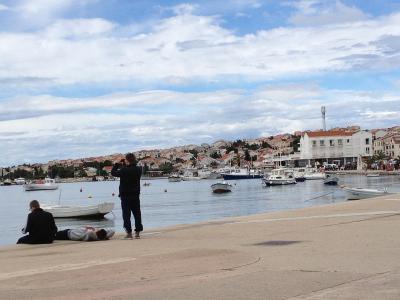
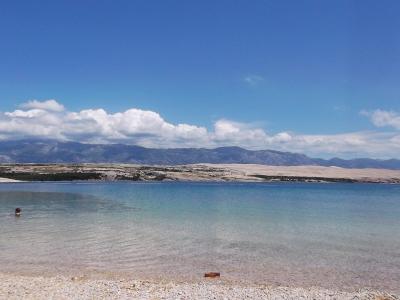
The center of Karlobag is its lively harbor and waterfront promenade, lined with cafes, restaurants and shops. The town’s beaches, such as Tatinja Beach and Medane Beach, are popular for swimming, sunbathing and water sports, with clear water and family-friendly facilities. The beaches are mostly pebbly, and the water is deep and clean. A walk along the shore leads to quiet coves, and the sunsets over the islands are fine. The nearby Kubus monument, set on a mountain pass, offers panoramic views of the Adriatic and the islands of Pag and Rab, and the Karlobag lookout points along the coastal road give more places to stop and photograph.
Karlobag is also a gateway to outdoor adventure. The Velebit Mountain, a UNESCO Biosphere Reserve, offers hiking, caving and mountain biking in a wild setting. Trails lead to scenic viewpoints, hidden caves and botanical gardens, while the area’s biodiversity makes it a favorite for wildlife watching and nature photography. The possibilities for activities on Velebit are diverse, from hiking and alpinism to cycling and caving. The bura, a cold, strong wind that blows from the mountains, shapes the coast and can close the roads and ferries, so visitors should check forecasts.
Cultural life in Karlobag is lively in summer, with festivals, concerts and community events that celebrate local traditions, music and cuisine. The town’s restaurants serve fresh seafood, lamb, homemade pasta and regional wines, best enjoyed with a view of the sunset over the bay. Lamb from nearby Pag and fish from the channel are typical, and local cheese and honey are sold in small shops. Day trips to the islands of Pag and Rab, or to the Plitvice Lakes National Park, are easily arranged from Karlobag.
Karlobag is a small town, and its attraction is its calm. Visitors who enjoy a slow day, a swim, a walk to the old churches and a dinner on the waterfront will find it pleasant, while those who want more activity can head into the mountains.
Getting to Karlobag is straightforward. The town is accessible by road from Zadar, Rijeka and other regional centers, with well-maintained highways and regular bus connections. Parking is available near the harbor and beaches, and the compact town center is best explored on foot. Accommodation options range from hotels and guesthouses to private apartments and campsites, catering to all budgets and preferences.
The best time to visit Karlobag is from May to September, when the weather is warm, the sea is inviting and the town’s beaches and outdoor activities are in full swing. Spring and early autumn offer mild temperatures, fewer crowds and beautiful scenery, suited to hiking, sightseeing and the relaxed pace of coastal and mountain life. Whether you seek adventure, relaxation or a taste of authentic Croatia, Karlobag offers a quiet and rewarding stay.
Best time to visit
May to September offers warm weather, inviting sea, and ideal conditions for beaches, hiking, and exploring the Velebit mountains and Adriatic coast.
What to see in Karlobag
Our picks first.
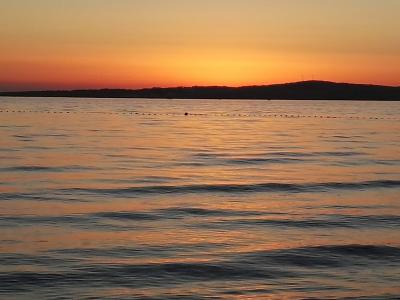
Archaeological Site (2nd–4th century BC)
Roman-era settlement ruins near Karlobag coast
History & Heritage · Ancient Sites
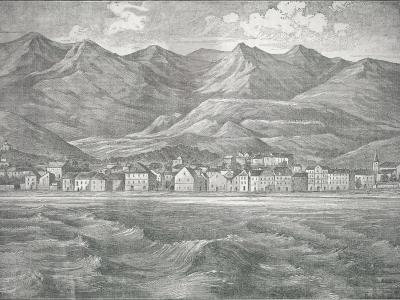
Capuchin Monastery
18th-century Capuchin Monastery with historic art
Cultural Experiences · History & Heritage
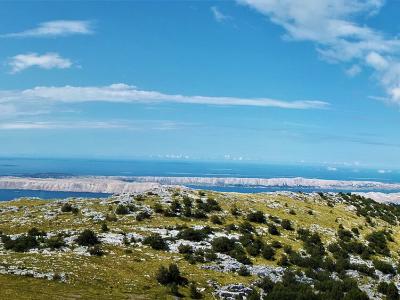
Kubus
Scenic viewpoint with island and coastal views
Cultural Experiences
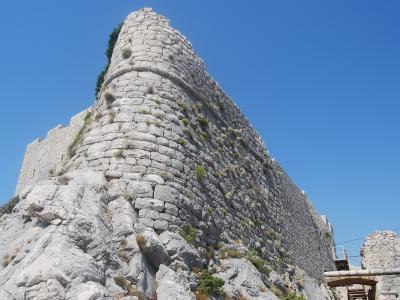
Fortica
Historic hilltop fortress with Adriatic views
History & Heritage · Fortresses
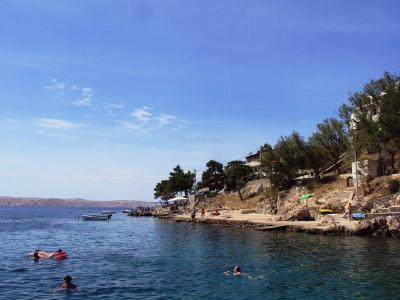
Karlobag Beaches
Crystal-clear Adriatic beaches beneath Velebit Mountains
Coastal & Maritime · Beaches
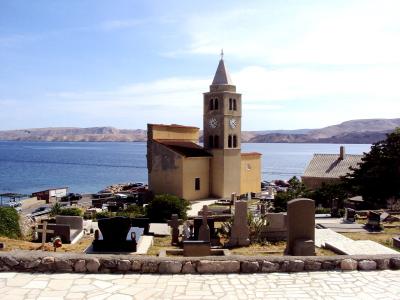
Church of St. Charles Borromeo
17th-century Baroque church in coastal Karlobag
History & Heritage · Cathedrals
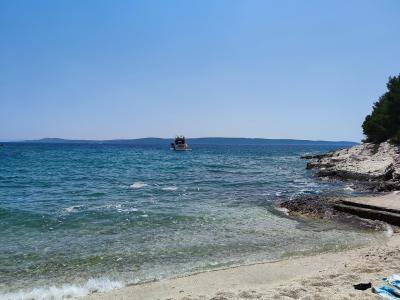
Tatinja Beach
Pebble beach with clear waters and mountain views
Free Coastal & Maritime · Beaches
Karlobag by interest
The same sights, grouped by what you came for.
Planning a visit to Karlobag
Itineraries that include Karlobag
Good to know
- Currency
- EUR
- Language
- Croatian
Quick Facts
Book your stay
Questions people ask
More places in Lika
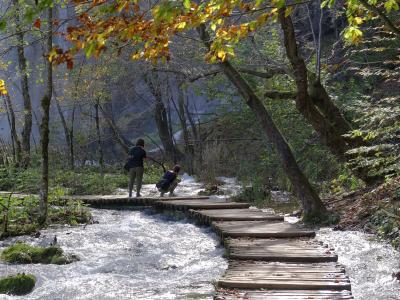
Lika
Plitvice Lakes National Park
UNESCO park with turquoise lakes, waterfalls, and wooden trails
Lika
Novalja
Pag Island’s party town with beaches, nightlife, and lunar landscapes
Lika
Zrće
Pag Island’s legendary party beach with clubs and water sports
Lika
Senj
Adriatic fortress town with mountain views and pebble beaches