







- Where
- Osijek, Slavonia
- Directions
- Directions
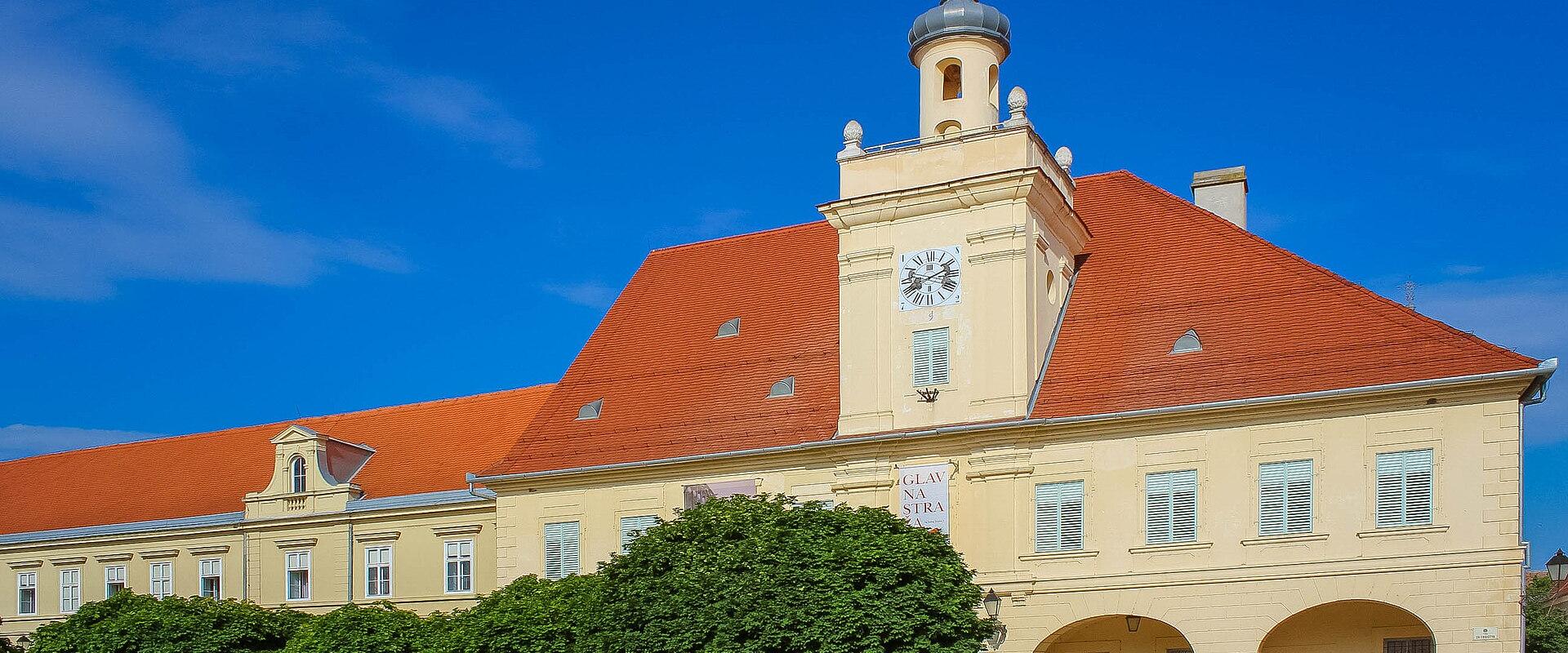
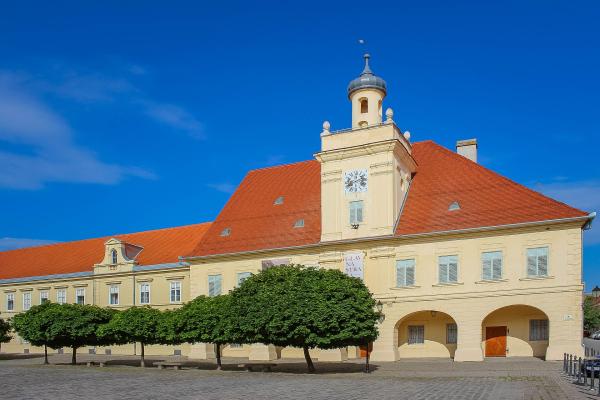
The Archaeological Museum in Osijek, known in Croatian as Arheološki muzej, is located in Tvrđa, the Baroque fortress district of Osijek, the main city of Slavonia in eastern Croatia. Tvrđa was built by the Habsburgs in the early 18th century, after the Ottoman period, with uniform yellow buildings, cobbled squares and arcades, and the museum is housed in a renovated building that fits its setting, with elegant arcades and a red-tiled roof. The museum tells the long story of the region from prehistory to the early Middle Ages through objects found in the ground of eastern Croatia, and it provides a clear introduction to how many different peoples have lived on the Pannonian plain.
The collection covers more than two thousand years and reaches much further back in some sections. Prehistoric cultures left pottery, tools and ornaments, and the area was home to farming communities of the Neolithic and later to the people of the Bronze and Iron Ages. The region's later history includes Illyrians and Celts, and then the Romans, who founded a major city called Mursa on the site of present-day Osijek. Mursa became a Roman colony and an important centre on the road along the Drava and the Danube, and it was the site of a famous battle in the fourth century. Roman finds, including pottery, jewellery, coins, glass and inscriptions, form a major part of the display and show how people lived, traded and worshipped in the provincial towns of the empire.
The exhibits are arranged across several rooms, with explanatory texts and illustrations that explain the context of each period. Highlights include everyday objects, such as vessels, tools and personal items, which bring ancient life into focus, along with displays about the larger movements of peoples through the area during the migration period. A digital film on migrations adds a modern element, helping visitors to see how groups moved across Europe and how the region changed. The museum is well regarded for its educational value, and its displays are suitable for school groups and general visitors alike.
Most visitors spend between one and two hours in the museum. Opening hours and admission fees can change, so it is wise to check before going, and some information may be given mainly in Croatian, so it helps to ask about guides or printed material in other languages. Tvrđa has more to offer nearby, including the Church of the Glorious Name of Mary, the squares and the riverside promenade along the Drava, where the pedestrian bridge crosses the river.
The museum suits history lovers, families with children and anyone who wants to understand Osijek's deep roots. Combine it with a walk around Tvrđa and a coffee on a square.
Categories
More photos coming soon
Nearby Attractions
Other places to visit in Osijek
Osijek Catacombs
Underground tunnels beneath Osijek's historic core
History & Heritage · Urban Exploration

Portanova
Modern shopping hub with 100+ stores and entertainment
Activities & Adventure

Pedestrian Bridge Over the Drava
Pedestrian bridge spanning the Drava River in Osijek
Free Activities & Adventure · Natural Wonders
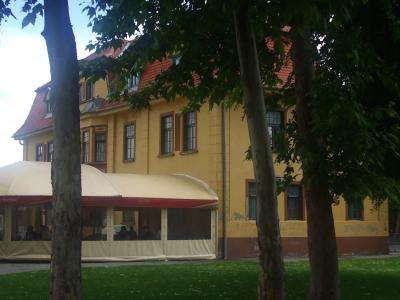
Mačkamama (Osijek)
Historic manor and public park in Osijek
Cultural Experiences · Food & Gastronomy
Questions people ask
Quick Facts
Best Time to Visit
Late May to late September offers warm weather, lush parks, and ideal conditions for sightseeing, cycling, and enjoying festivals and riverfront activities.