







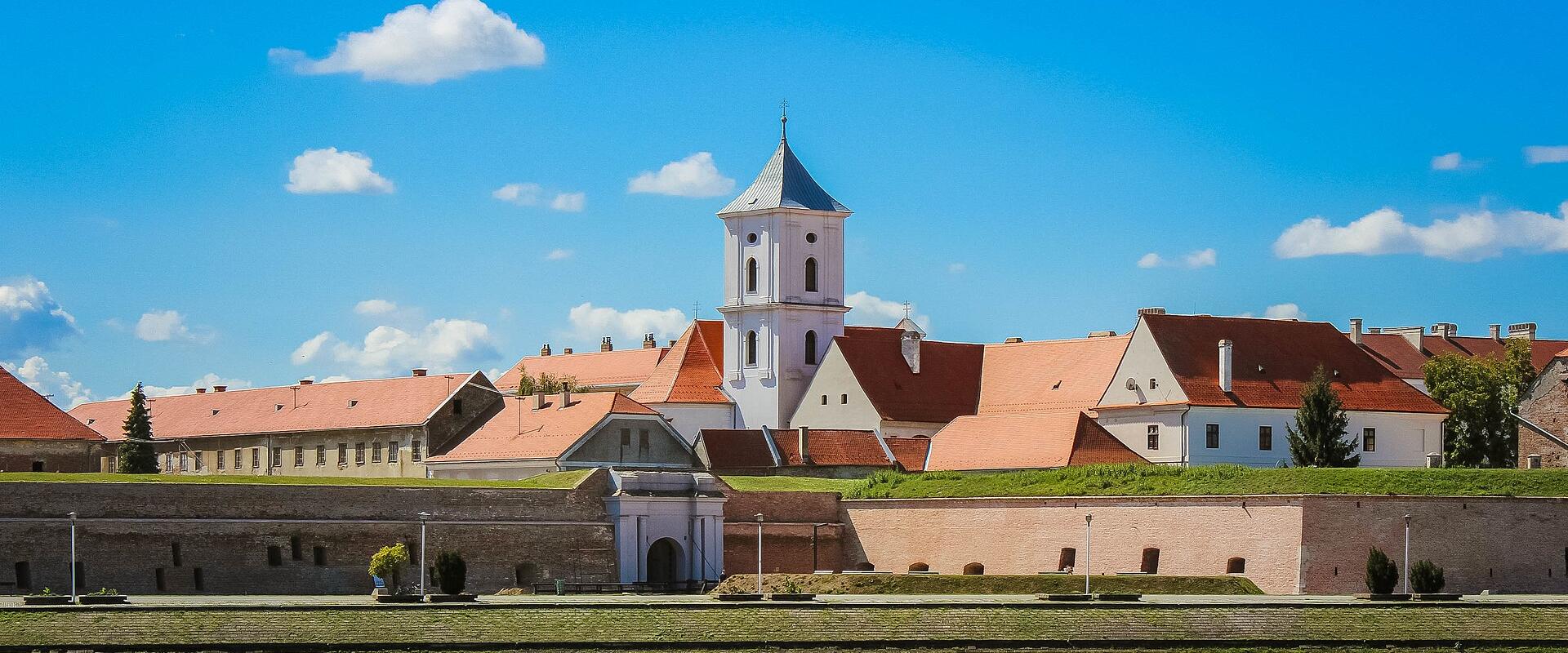
Osijek’s history stretches back to Roman times, when it was known as Mursa. Over the centuries the city flourished as a trading and military center, especially during the Austro-Hungarian era, which left a legacy of grand Baroque buildings and elegant squares. The historic core of Osijek is the Tvrđa, a well-preserved 18th-century fortress complex with cobbled streets, historic churches, museums and lively cafes. The fortress is a hub for cultural events, concerts and festivals, including the popular Osijek Summer Nights, and the Archaeological Museum, housed in the complex, tells the story of Mursa and earlier settlements. Underneath, the Osijek Catacombs offer a more unusual excursion, and the Church of the Glorious Name of Mary stands on the main square of Tvrđa.
The main square of the Lower Town, Ante Starčević Square, is surrounded by colorful facades, shops and restaurants, while the Drava River promenade is a favorite spot for walking, cycling and enjoying views of the city’s bridges and skyline. The Pedestrian Bridge over the Drava has become a symbol of modern Osijek, particularly attractive when lit up in the evening. The Cathedral of St. Peter and Paul, with its soaring neo-Gothic spire, dominates the city center and is a must-see for architecture enthusiasts. Other highlights include the Osijek Zoo, the Red Fico monument and the city’s many galleries and theaters. Mačkamama, a manor and public park in the city, offers a quiet corner, and Pivnica Runda is among the places for craft beer. Portanova is the main shopping and entertainment complex for those who want a modern break.
Osijek is also a gateway to outdoor adventure. The nearby Kopački Rit Nature Park is one of Europe’s largest wetlands, home to hundreds of bird species and a rich place for nature lovers, photographers and boaters. In spring and autumn the floodplain fills with water and the park becomes a place of boat trips and observation towers. Cycling and hiking trails connect the city with the surrounding countryside, vineyards and traditional villages. The city’s culinary scene features hearty Slavonian dishes, freshwater fish and regional wines, best enjoyed in riverside restaurants or at local food festivals.
The city also has a youthful energy that comes from its university and its sports culture. Football, basketball and rowing are popular, the Drava is used for training and races, and the cafés fill early in the evening. A good plan for a short visit is to start the day in Tvrđa, walk to the cathedral, cross the pedestrian bridge and spend the afternoon by the river.
Getting to Osijek is straightforward. The city is accessible by road, rail and air, with Osijek Airport located about 20 kilometers from the center. Regular buses and trains connect Osijek to Zagreb, Vukovar and other regional destinations. The city’s compact layout makes it easy to explore on foot or by bicycle, and public transport, including the tram line, is efficient and affordable. Accommodation options range from hotels and boutique guesthouses to private apartments, catering to all budgets and preferences.
The best time to visit Osijek is from late May to late September, when the weather is warm, the parks and riverbanks are lush and local festivals and outdoor activities are in full swing. Spring and early autumn also offer mild temperatures and beautiful scenery, ideal for sightseeing, cycling and enjoying the relaxed pace of city life. Whether you are interested in history, culture or outdoor adventure, Osijek offers a rewarding and unhurried visit to Slavonia.
Best time to visit
Late May to late September offers warm weather, lush parks, and ideal conditions for sightseeing, cycling, and enjoying festivals and riverfront activities.
What to see in Osijek
Our picks first.
Osijek Catacombs
Underground tunnels beneath Osijek's historic core
History & Heritage · Urban Exploration

Portanova
Modern shopping hub with 100+ stores and entertainment
Activities & Adventure

Pedestrian Bridge Over the Drava
Pedestrian bridge spanning the Drava River in Osijek
Free Activities & Adventure · Natural Wonders
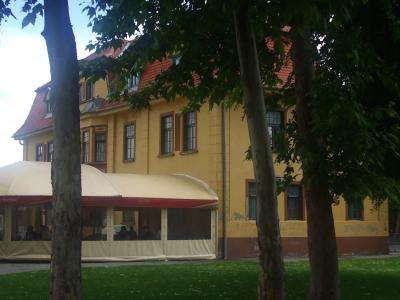
Mačkamama (Osijek)
Historic manor and public park in Osijek
Cultural Experiences · Food & Gastronomy
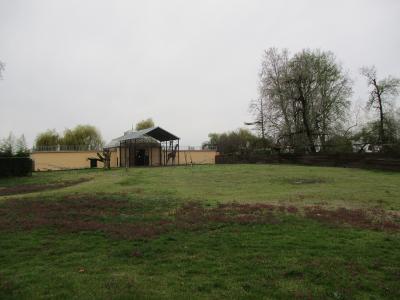
Osijek Zoo
Wildlife conservation and education by the Drava River
From €2 Natural Wonders
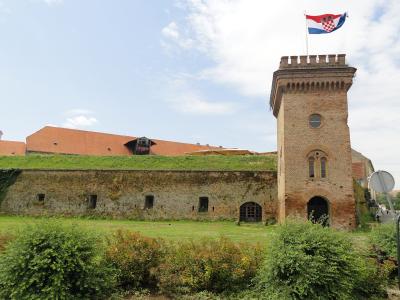
Tvrđa Fortress
Largest Baroque star fort and military center
History & Heritage · Urban Exploration
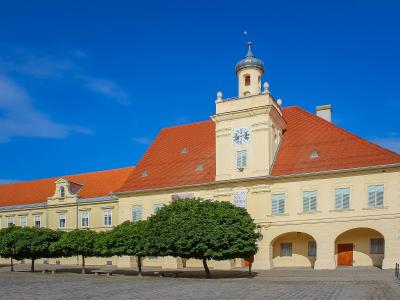
Arheoloski muzej
Artifacts and history of Slavonija’s past
Cultural Experiences
Osijek by interest
The same sights, grouped by what you came for.
Did you know?
Checked facts about Osijek, each with its source.
-
Name Origin
Osijek Is Named After 'Oseka', Low Tide
Osijek's name comes from the Croatian word 'oseka', meaning low tide, describing a place by the Drava River that was suited for people to live on.
Source: Osijek Tourist Board -
History
Osijek Earned the Name 'Undefeated City' in 1991
In 1991, during the Croatian War of Independence, Osijek was attacked by Yugoslav military units and devastated for months, but it was never taken, and its best-known graffiti still calls it 'Nepokoreni grad', the Undefeated City.
Source: Osijek Tourist Board - City History
Planning a visit to Osijek
Itineraries that include Osijek
Good to know
- Currency
- EUR
- Language
- Croatian
Quick Facts
Book your stay
Questions people ask
More places in Slavonia
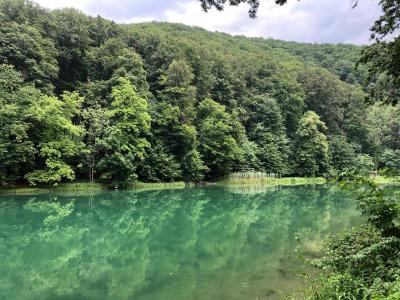
Slavonia
Papuk Nature Park
UNESCO Geopark with forests, waterfalls, and medieval ruins
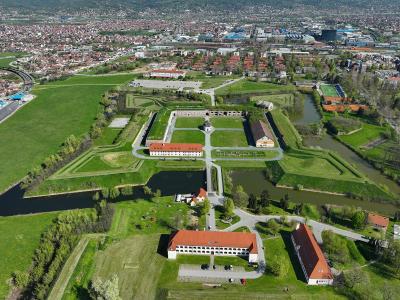
Slavonia
Slavonski Brod
Sava riverside city with fortress, parks, and vibrant culture
Slavonia
Vukovar
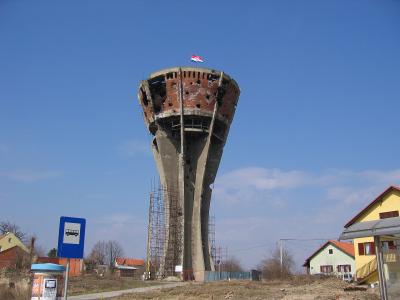
Hero City on the Danube with memorials and museums
Slavonia
Kopački Rit Village
Gateway to Croatia’s largest wetland and birdwatching haven