







Balbi's Arch
17th-century Venetian arch marking Rovinj’s old town entr...
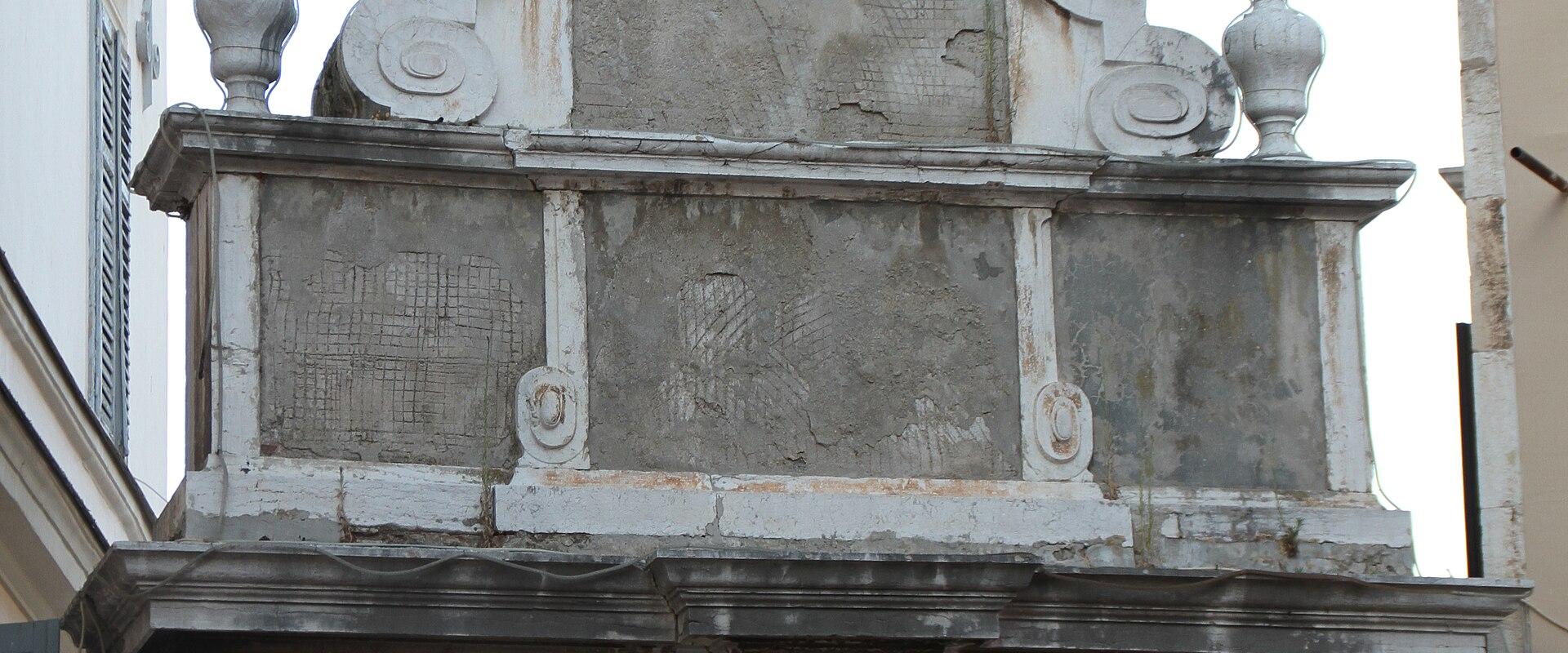
Balbi's Arch is the gateway that leads from the harbour side of Rovinj into the old town, and for most visitors it is the first piece of historic architecture they walk through. It stands beside Trg G. Matteottija, the small square next to the main waterfront square, and it replaces an older fortified gate that once closed the entrance to the walled town. Passing under it, you leave the open space of the quay and step into the tight maze of stairs and alleys that climb toward the hilltop church.
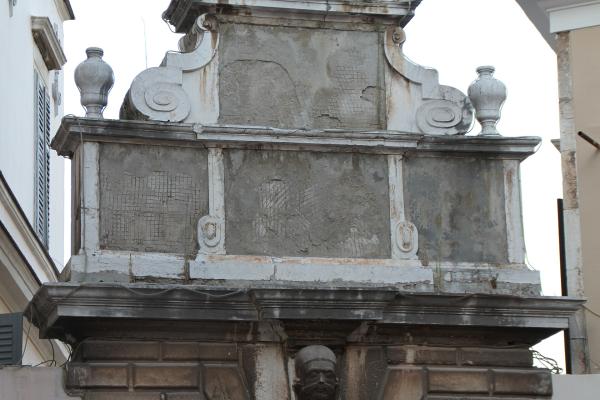
The arch dates from the seventeenth century, when Rovinj belonged to the Venetian Republic, and it takes its name from the Balbi family, specifically from the local official who had it built. Baroque in style, it is a simple but carefully decorated piece of stonework rather than a monumental gate. Above the opening, the winged Lion of St. Mark, the emblem of Venice, shows who ruled the town. The Balbi coat of arms is carved nearby, and two sculpted heads decorate the sides of the arch. Tradition identifies one as a Turkish head and the other as an Italian, or Venetian, one, a pairing that locals like to read as a symbol of the mixed influences and the dangers of the era.
The arch is also a good vantage point for understanding how the town was laid out. From here, the lanes lead past the Town Hall and its clock tower, and onward to Grisia Street, lined with galleries and craft shops, and uphill to the Church of St. Euphemia, the Baroque church that dominates the skyline and holds the sarcophagus of Rovinj's patron saint. The old town sits on a former island that was joined to the mainland by a causeway, which explains why the streets are so compact and so steep.
The arch is an outdoor monument, so you can pass through it at any hour without a ticket, and it looks best in early morning light, before the day's crowds, or in the evening, when warm lighting picks out the stone and the lion. The surrounding streets are lively in summer, with cafes and shops, so allow time to linger rather than just walk through.
Plan on ten minutes to inspect the carvings and take photographs, then continue into the old town for the remaining sights. Wear shoes with good grip, since the polished stone paving becomes slippery, especially after rain. The arch is a short stop that suits history enthusiasts, photographers and anyone wanting a clear orientation point for exploring Rovinj.
Categories
More photos coming soon
Hours & Fees
Hours
Open year-round, 24 hours a day.
Admission
Free admission
Nearby Attractions
Other places to visit in Rovinj
Frequently Asked Questions
Quick Facts
Best Time to Visit
April to September offers warm weather, lively festivals, and ideal conditions for sightseeing, beaches, and exploring Rovinj’s old town and islands.