







- Where
- Bale, Istria
- Directions
- Directions
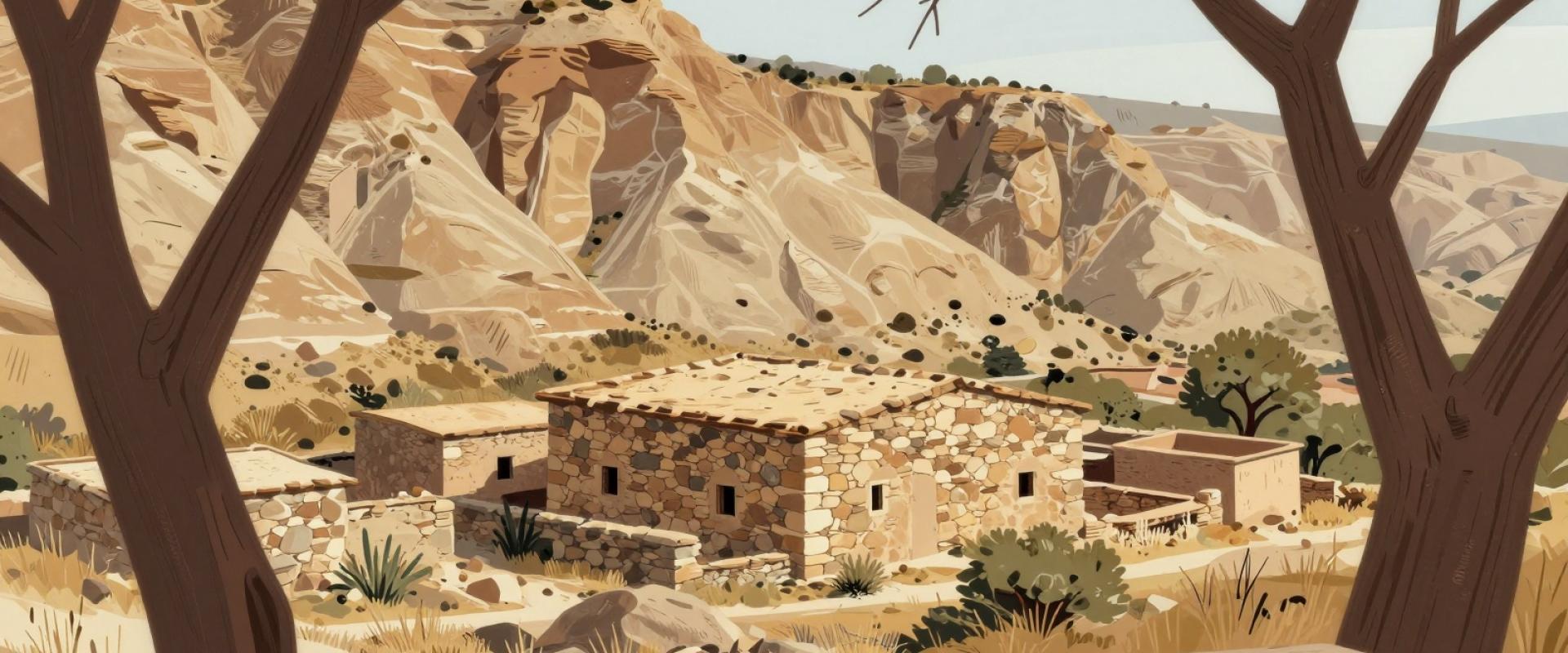
The olive groves of Bale cover the gentle hills around the small hilltop town of Bale, known in Italian as Valle, in southwestern Istria. They form a landscape that defines the town more than any single monument, a quilt of silver-green trees, dry stone walls, vineyards and red earth, broken by the occasional farmhouse or chapel. Bale lies a short drive from Rovinj and Pula, so the groves are easy to reach, yet the area keeps a quiet, rural character, especially outside the peak summer weeks. Specific groves are not individually famous, so the experience is about the landscape as a whole.
Olive growing in Istria goes back to Roman times, and the peninsula became one of the best-known olive oil regions on the northern Adriatic. The climate suits the crop, with mild winters, warm summers and well-drained limestone soil, and the sea breeze helps keep the trees healthy. Local growers cultivate varieties such as Buža and Istarska bjelica, as well as several Italian types, and they produce oils with a fresh, green, slightly peppery character that have won awards at international competitions. The harvest takes place in autumn, mainly in October and November, when families and workers pick the fruit by hand or with small rakes, and the mills are busy pressing the same day.
Walking or cycling through the groves is the best way to enjoy them. Dirt tracks and small country roads lead out of town, past old stone huts and terraces, and the best light comes in the early morning and late afternoon, when the leaves flash silver in the breeze. In spring, the ground is covered with wildflowers and the air smells of herbs, and in autumn the harvest brings activity and the smell of fresh oil. Bring a hat and water, as shade is limited, and keep to paths that cross private land only with permission.
The groves are closely tied to local food. Many small producers sell oil from their farms, and restaurants in Bale serve it with bread, cheese, truffles and fresh fish. A tasting is a good way to learn how to judge oil by aroma and bitterness, and the best producers will explain how the fruit is harvested and pressed. Back in town, the Castle of Soardo-Bembo, the Church of St. Julian, the Church of St. Mary Magdalene and the scenic viewpoint on the edge of the old town give a cultural complement to the countryside, and the Cultural Summer programme brings concerts to the squares.
The groves suit food lovers, walkers, cyclists and photographers who like Mediterranean scenery. There are no opening hours or entrance fees.
Categories
More photos coming soon
Nearby Attractions
Other places to visit in Bale
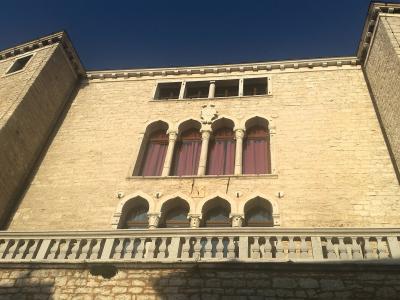
Castle of Soardo-Bembo
16th-century Gothic-Renaissance castle in Bale
History & Heritage · Castles
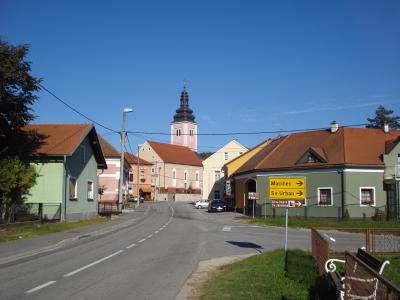
St. Mary Magdalene Church
Late Gothic monastery with Venetian polyptych altar
Cultural Experiences · History & Heritage
Church of St. Julian
Historic church honoring Bale’s patron saint
History & Heritage · Historic Churches
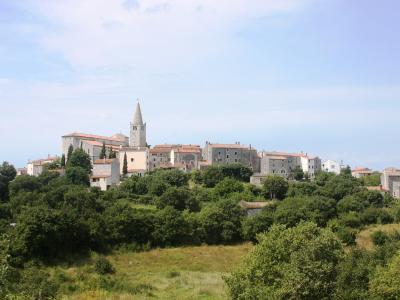
St. Julian's Church
Church honoring St. Julian, patron of Bale since 1477
Cultural Experiences
Questions people ask
Quick Facts
Best Time to Visit
May to September offers warm weather, lush scenery, and ideal conditions for sightseeing, hiking, and enjoying local festivals and outdoor activities.