







- Where
- Bale, Istria
- Directions
- Directions
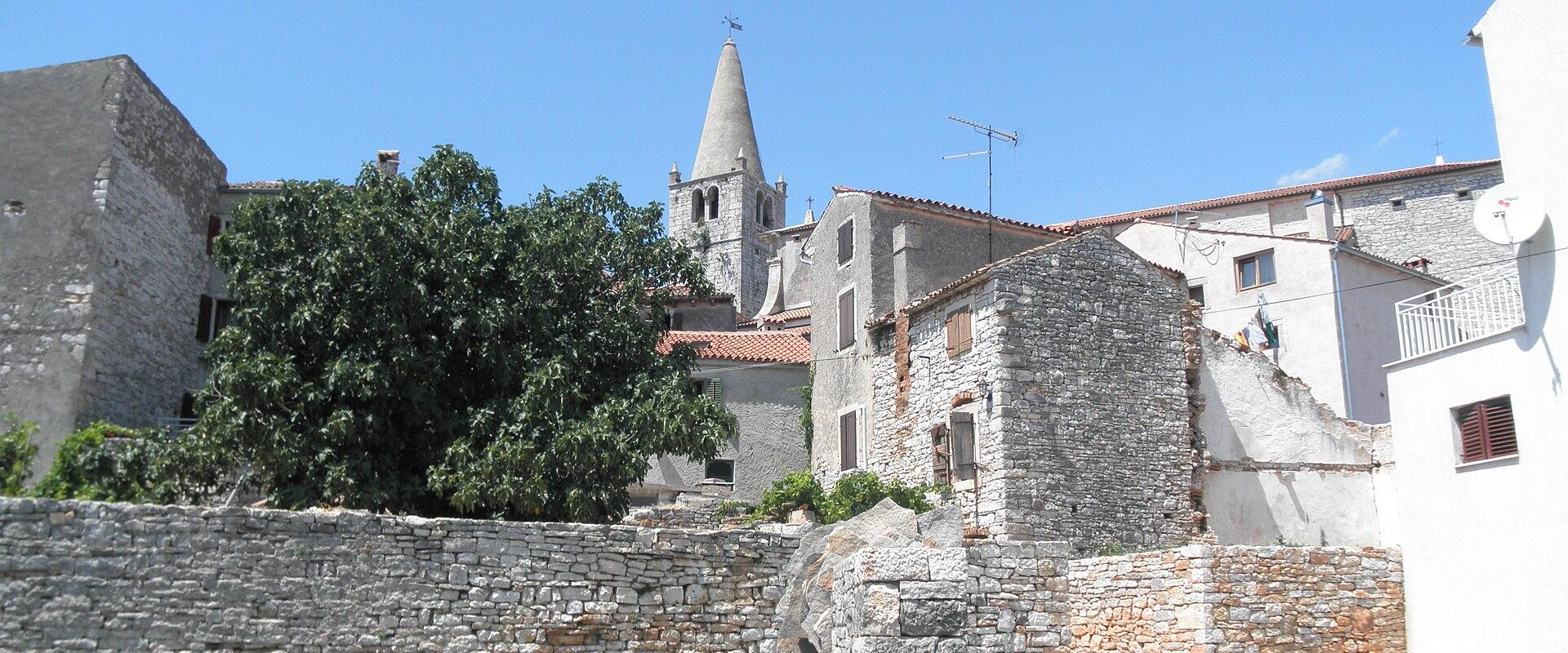
Bale is a hill town in southwestern Istria, a few kilometres inland from the Adriatic Sea, and the land around it is a patchwork of olive groves, vineyards, fields and small woods. Olive trees are among the oldest and most characteristic features of the Istrian landscape, and in the countryside around Bale they cover the gentle slopes in silver-green rows, often framed by dry-stone walls. A visit to the groves gives a different perspective on the town, as it shows the land that has supported it for centuries.
Olive growing in Istria goes back to Roman times, when oil from the peninsula was exported across the empire, and it continued through the Venetian period, when the republic encouraged planting and set rules for the trade. Many of the oldest trees here are several centuries old, with thick, gnarled trunks that twist into strange shapes, and some groves are protected as part of the cultural landscape. Istrian oil has a high reputation today, and local producers have won international awards for their extra virgin oils, which are known for a fresh, grassy, slightly bitter and peppery character. Typical local varieties include Istarska bjelica, Buža and Leccino, and each gives a different flavour.
The harvest, usually from October to December, is the centre of the year. Families pick the olives by hand or with small rakes, spread nets under the trees and take the fruit to a local mill, where it is pressed within a day or two to keep the oil fresh. Visitors who come at that time can often see the harvest in progress and sometimes join in. Outside the harvest, the groves are peaceful places for walking and cycling, with paths that run along stone walls and through gaps in the trees. Wildflowers bloom in the grass in spring, birds sing in the branches and the light is soft and golden in the late afternoon.
There are no tickets or opening hours for the groves, and they can be walked at any time, but keep to paths and farm tracks, since the land is private property and the trees are valuable. Many local families sell oil from their farms and in the shops of the town, and tastings can often be arranged. The town of Bale has plenty to combine with a visit, among them the Castle of Soardo-Bembo, the old town, the Church of St. Julian and the Market Square.
The groves suit walkers, cyclists, food lovers and photographers. Autumn is the busiest and most interesting season, and spring is the greenest.
Categories
More photos coming soon
Nearby Attractions
Other places to visit in Bale
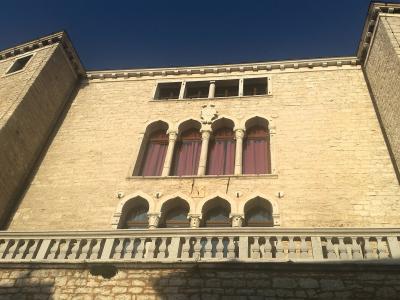
Castle of Soardo-Bembo
16th-century Gothic-Renaissance castle in Bale
History & Heritage · Castles
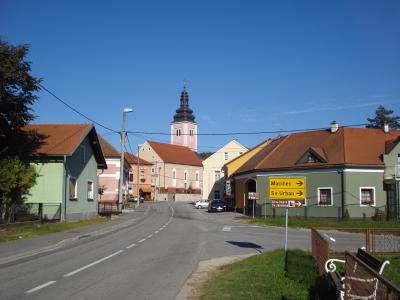
St. Mary Magdalene Church
Late Gothic monastery with Venetian polyptych altar
Cultural Experiences · History & Heritage
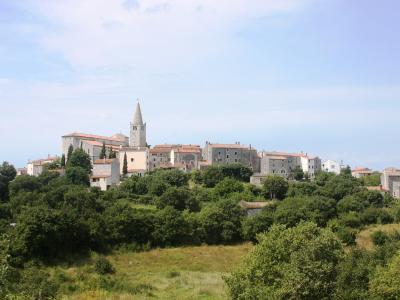
Church of St. Julian
Historic church honoring Bale’s patron saint
History & Heritage · Historic Churches
St. Julian's Church
Church honoring St. Julian, patron of Bale since 1477
Cultural Experiences
Questions people ask
Quick Facts
Best Time to Visit
May to September offers warm weather, lush scenery, and ideal conditions for sightseeing, hiking, and enjoying local festivals and outdoor activities.