







Basilica of Our Lady of Bistrica
Croatia’s national Marian shrine since 1684
- Where
- Marija Bistrica, Zagorje
- Directions
- Directions
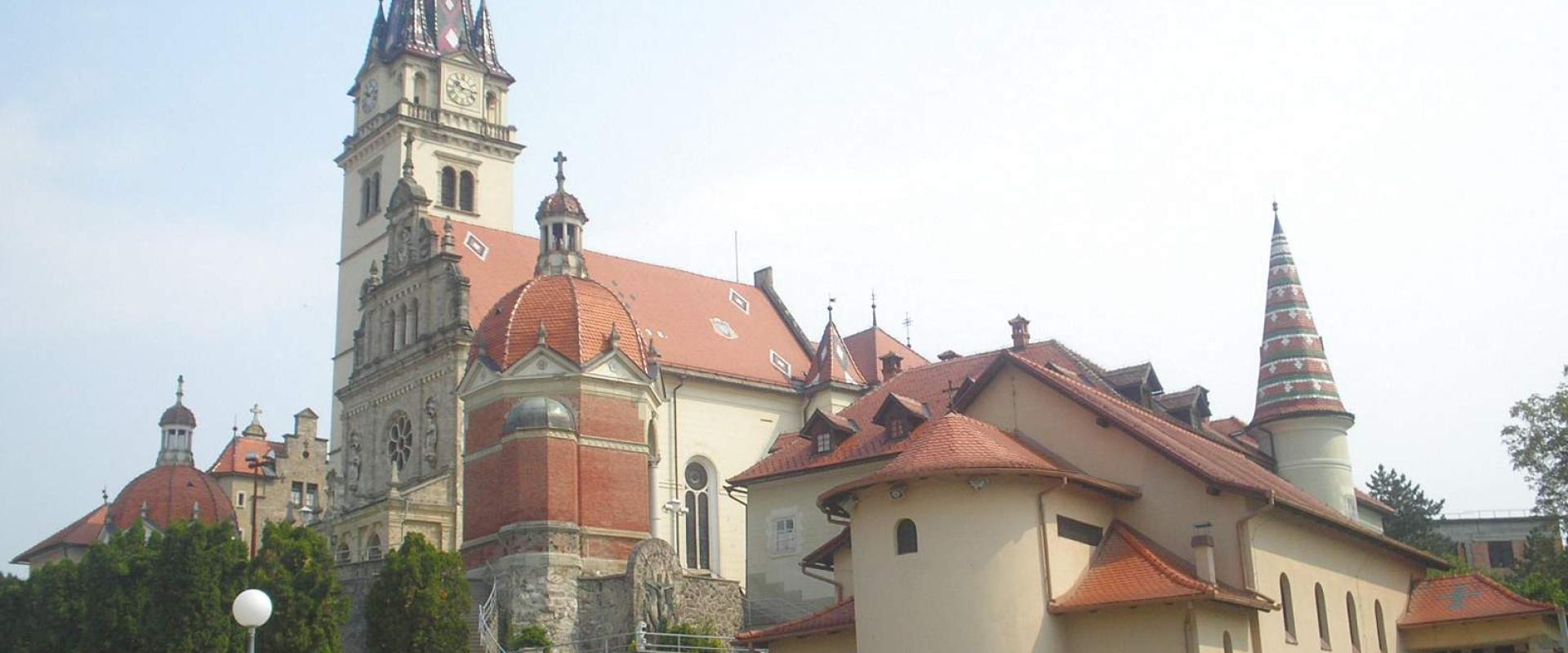
The Basilica of Our Lady of Bistrica is the national Marian shrine of Croatia, located in the village of Marija Bistrica in the Zagorje hills, about 40 kilometres north of Zagreb. The pilgrimage tradition here is more than three centuries old. According to the shrine's history, a wooden statue of the Virgin Mary, kept in the parish church, was hidden in a wall during the 16th-century Ottoman threat to protect it. It was rediscovered on 16 July 1684, and the news of its recovery began to draw pilgrims from around the region. The statue, a dark Gothic figure often called the Black Madonna of Bistrica, remains the focus of devotion.
The church has been enlarged several times to cope with the growing numbers of visitors. The present building, with its large nave and towers, reflects the expansion of the 19th and early 20th centuries, and it was later given the title of minor basilica. Inside, the interior is decorated with painting and sculpture, including frescoes by the Croatian painter Krsto Hegedušić, which were left unfinished and add an unusual artistic layer. The famed statue is displayed above the altar, and pilgrims come forward to pray and light candles.
The site has also been part of the wider history of the region. The shrine has long been a gathering point for the people of northern Croatia, and it has witnessed periods of both peaceful celebration and political turmoil. Pope John Paul II visited the sanctuary in 1998 and beatified Cardinal Alojzije Stepinac here, an event that raised its profile across the country. Large pilgrimages take place on Marian feast days, particularly in the summer and early autumn, and these are the days when the village fills with worshippers.
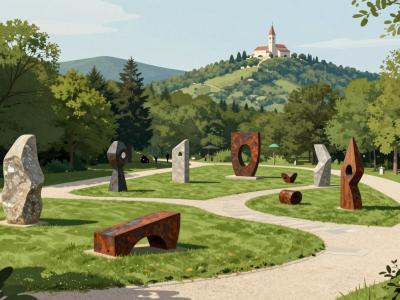
Outside, the outdoor Calvary, called Bistrica Calvary, climbs the hillside behind the church with a path of stations, and the Sculpture Park Marija Bistrica displays work along the walking routes. These add a gentler, scenic side to the visit. The village has places to eat and small shops selling candles and devotional items, and the setting is green, rolling and calm.
The basilica is open to visitors outside of services, and the appropriate approach is respectful: modest clothing, quiet voices and care during Mass. It suits pilgrims, people interested in religious art and history, and travelers on a day trip from Zagreb who want to see an important part of Croatian devotional life.
More photos coming soon
Nearby Attractions
Other places to visit in Marija Bistrica
Questions people ask
Quick Facts
Best Time to Visit
Mid-June to early September offers warm weather, vibrant festivals, and ideal conditions for outdoor activities and pilgrimage; spring and autumn are also pleasant.