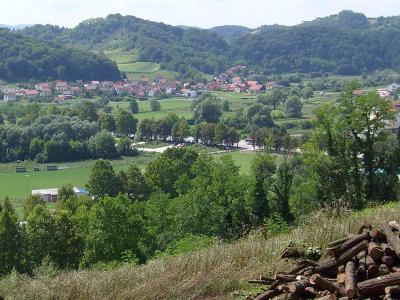
Marija Bistrica is a place of faith and tradition in the middle of the Hrvatsko Zagorje region. Its origins date back to the Middle Ages, but it rose to national prominence in the 17th century when the miraculous statue of the Black Madonna was rediscovered after being hidden during the Ottoman invasions. The statue, a carved wooden figure of Mary with the Child, probably made in the 15th century, had been walled up in the old church to protect it, and when it was found again in 1684 during a service, it was seen as a sign of protection. Since then Marija Bistrica has become the largest and most significant Marian shrine in Croatia, attracting hundreds of thousands of pilgrims annually, especially during major religious festivals and processions. Pope John Paul II visited the shrine in 1998 and beatified Cardinal Alojzije Stepinac here, a visit that is remembered by a monument.
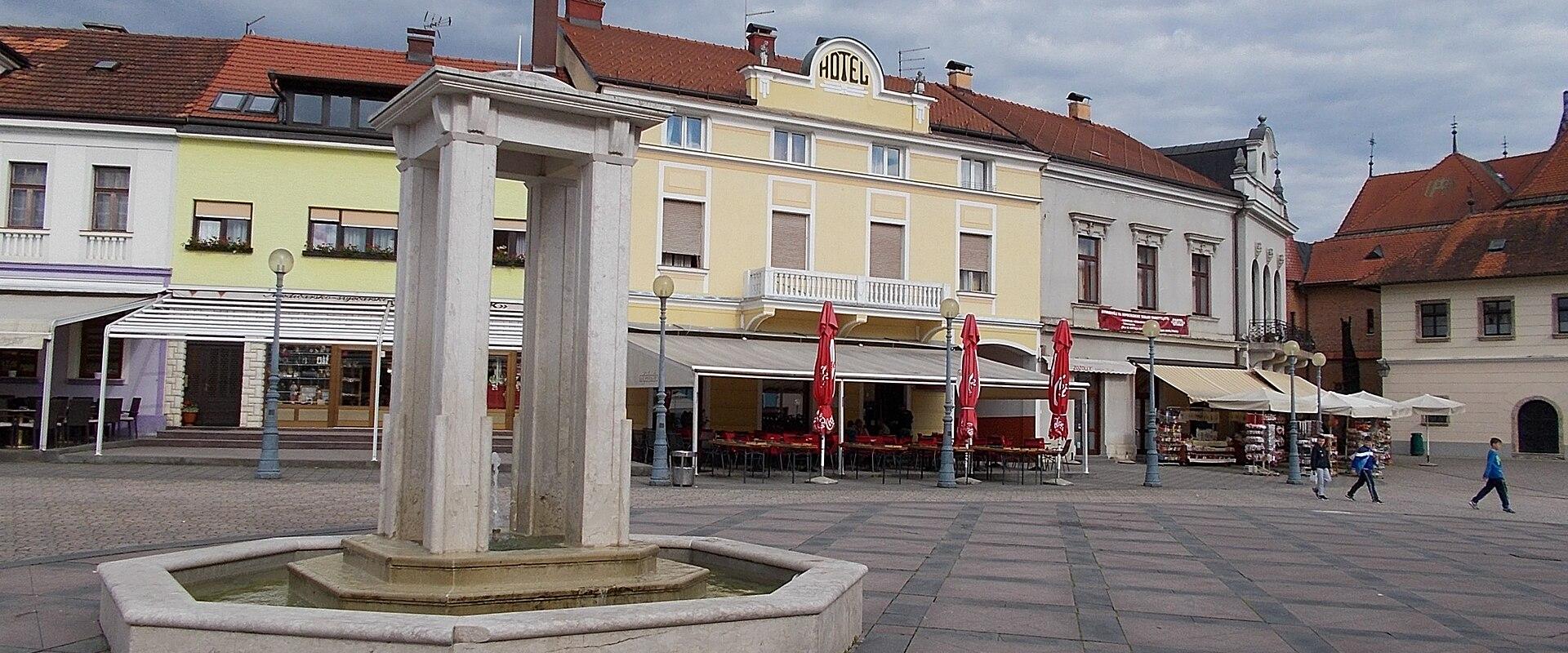
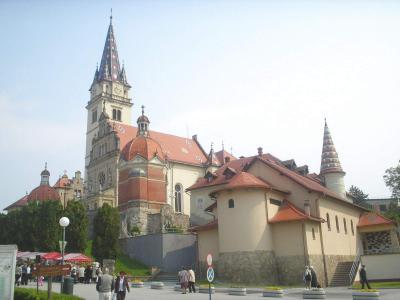
The centerpiece of the town is the Basilica of Our Lady of Bistrica, the Crkva-bazilika Majke Božje Bistričke, a large church that dominates the main square. It grew from a Gothic church of the 15th century, was remodeled in Baroque style and was enlarged in the late 19th century. The basilica houses the revered statue of the Black Madonna, believed to possess miraculous powers and the focus of devotion for countless visitors. The church’s ornate interior, stained glass windows and peaceful courtyard give a contemplative space for prayer and reflection. Outside, the spacious square is often filled with pilgrims, local vendors selling religious souvenirs and traditional Zagorje crafts, and a large open-air altar allows Mass to be celebrated for crowds of thousands.
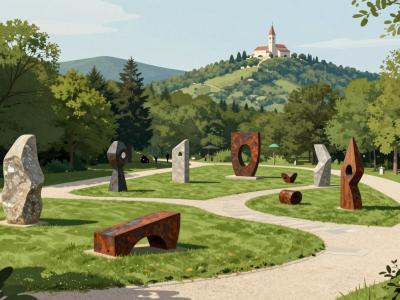
Beyond its religious significance, Marija Bistrica offers a range of attractions and activities. The Calvary Path, a scenic pilgrimage route with a series of chapels and Stations of the Cross, winds up the nearby hillside, offering panoramic views of the town and surrounding countryside. Along the way visitors can pause at each station, many adorned with sculptures and mosaics. The walk takes about half an hour, and the views over the Zagorje hills and the roofs of the town are the reward. The town also has monuments such as the Statue of Mother Mary of Bistrica and several smaller chapels, each with its own story and artistic details. The Gallery Hudek and the Sculpture Park Marija Bistrica show modern art in a quiet setting.
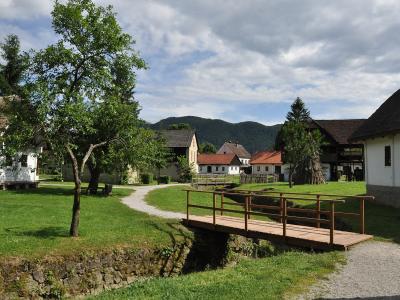
For those interested in local culture, Marija Bistrica is known for its lively folk traditions and handicrafts. Artisans in the town produce distinctive wooden toys, licitar heart-shaped cookies and other traditional souvenirs, many of which are recognized as part of Croatia’s intangible cultural heritage. Zagorje toys and licitar hearts are on the UNESCO lists of intangible heritage, and the stalls around the church are a good place to see them being made. The local market and craft shops provide opportunities to purchase these unique items and learn about their history.
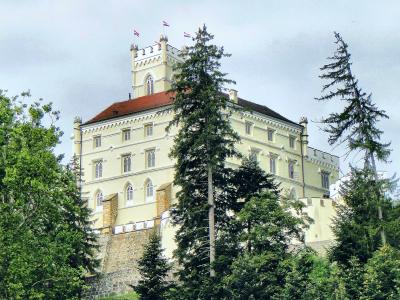
Nature lovers will appreciate the gentle hills and forests surrounding Marija Bistrica, which are good for hiking, cycling and leisurely walks. The region’s rural charm is complemented by family-run guesthouses, cozy restaurants serving Zagorje specialties and scenic picnic spots. The town’s location also makes it a convenient base for exploring other attractions in Zagorje, such as castles, thermal spas and vineyards. A short drive leads to Stubičke Toplice, Gornja Stubica and Trakošćan Castle, and Zagreb’s Medvednica mountain lies to the south.
Getting to Marija Bistrica is straightforward. The town is easily accessible by car from Zagreb via well-maintained regional roads, with ample parking available for visitors. Regular buses connect Marija Bistrica with Zagreb and other towns in the region, which makes it accessible for day trips or longer stays. The town is compact and best explored on foot, which lets visitors fully appreciate its peaceful ambiance and historic sites. On major feast days the roads are crowded, and booking rooms well in advance is wise.
The best time to visit Marija Bistrica is from mid-June to early September, when the weather is warm and the town hosts its largest religious festivals. Spring and autumn also offer pleasant temperatures, fewer crowds and beautiful scenery, which makes them good for outdoor activities and quiet reflection. Whether you come as a pilgrim, a history enthusiast or a lover of rural landscapes, Marija Bistrica offers a memorable and enriching stay in Zagorje.
Best time to visit
Mid-June to early September offers warm weather, vibrant festivals, and ideal conditions for outdoor activities and pilgrimage; spring and autumn are also pleasant.
What to see in Marija Bistrica
Our picks first.
Marija Bistrica by interest
The same sights, grouped by what you came for.
Planning a visit to Marija Bistrica
Itineraries that include Marija Bistrica
Good to know
- Currency
- EUR
- Language
- Croatian