







- Where
- Đakovo, Slavonia
- Directions
- Directions
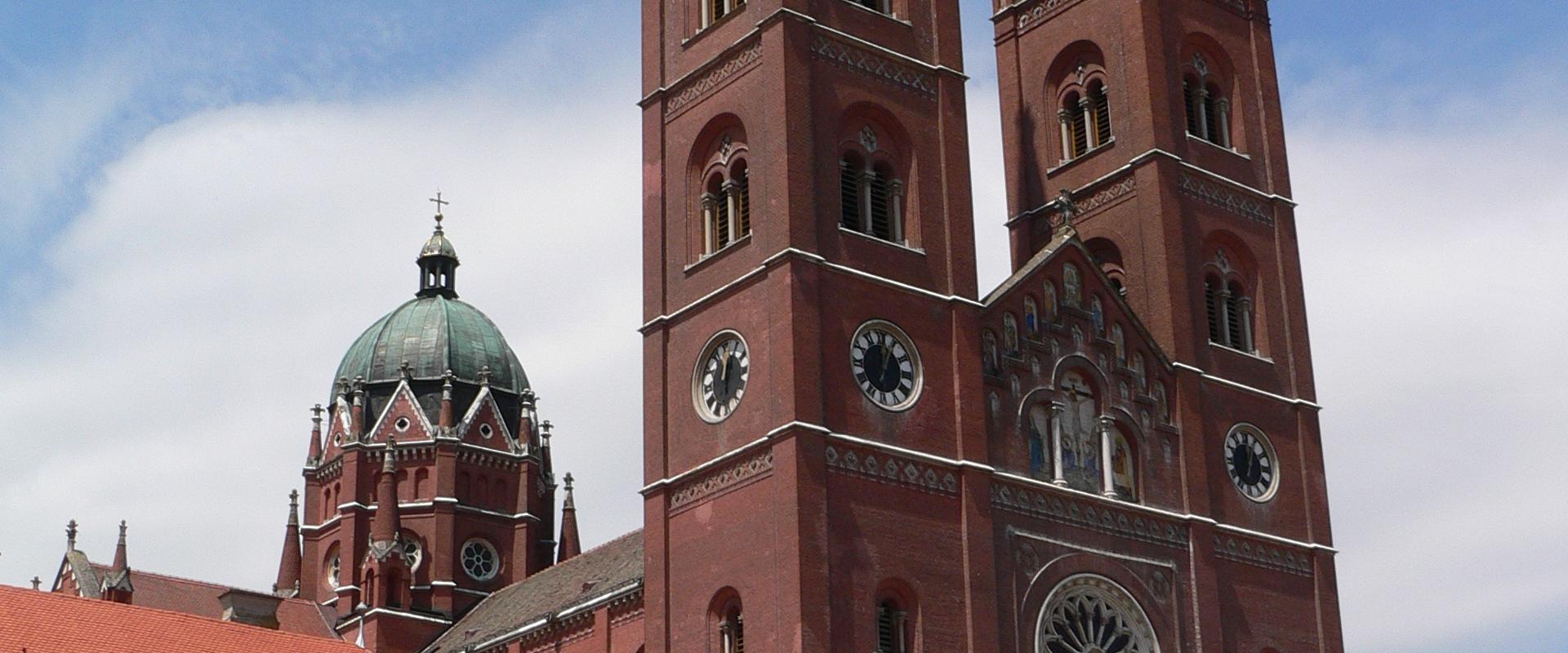
The Cathedral of St. Peter in Đakovo is one of the most impressive churches in Croatia, and it rises out of the flat plain of Slavonia with a presence that surprises first-time visitors. It was built between 1866 and 1882 on the initiative of Josip Juraj Strossmayer, who was Bishop of Đakovo for more than five decades and one of the most influential figures in Croatian cultural life in the 19th century. Strossmayer wanted a cathedral worthy of a diocese that had survived Ottoman rule, and he sought designs and craftsmen from across Central Europe. The project was begun by the Viennese architect Karl Rösner and completed by Friedrich Schmidt, a leading master of the revived medieval styles, and the result is a large red-brick church in a neo-Romanesque style with Gothic touches.
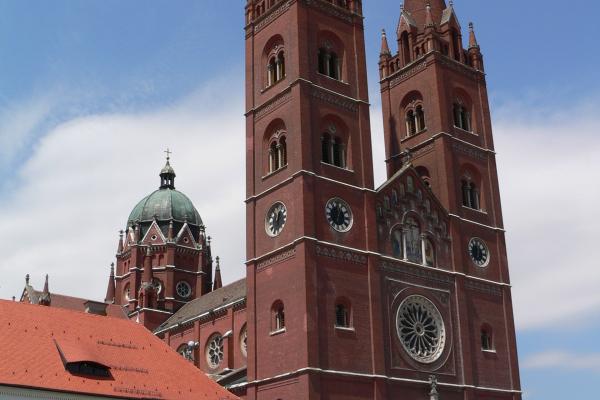
The exterior is dominated by two tall towers, each about 84 metres high, and a third, smaller tower over the crossing, which together define the skyline of the town from a great distance. The walls are built of warm red brick with bands of lighter stone, and decorative arcades, round arches and carved portals reflect the Romanesque tradition, while pointed windows and delicate details recall the Gothic. The size of the building, with a long nave, transepts and a raised choir, gives the interior a spacious and solemn quality, and the light that enters through coloured glass falls on a space entirely covered with painting.
The interior decoration is one of the main attractions. Walls and ceilings are covered with frescoes in the manner of the Nazarenes, a school of German painters who sought to renew religious art in the spirit of the early Renaissance and who followed the circle of Friedrich Overbeck. The painting was carried out largely by Alexander Maximilian Seitz and his son Ljudevit, who worked in Rome and in Đakovo, and the cycle shows scenes from the Old and New Testaments in rich colours and clear compositions. Sculpture, carved altars, a pulpit and a fine organ add to the decoration. Strossmayer himself is buried in the crypt, and his tomb is a place of pilgrimage for many Croatians who regard him as a national hero for supporting education, the arts and the founding of the Academy of Sciences and Arts in Zagreb. The cathedral has been praised by visitors for generations, and it is often said to be among the finest churches between Venice and Istanbul.
The cathedral is generally open to visitors outside of services, although times may change, so it is wise to check locally. Visitors should dress modestly and be quiet. The town of Đakovo has other places that combine well with it, including Strossmayer Park, the National Lipizzan Stud Farm and the Đakovo Embroidery festival in July, when the streets fill with costumes and carriages. Papuk Nature Park lies within reach for those who want hiking.
The cathedral suits art and architecture lovers, pilgrims and anyone interested in Croatian history. Allow about an hour, and visit in the morning for the best light in the interior.
Categories
More photos coming soon
Nearby Attractions
Other places to visit in Đakovo
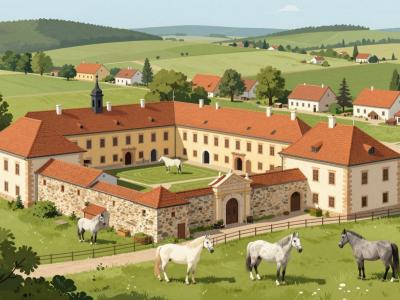
National Lipizzan Stud Farm ĐAKOVO MS
Europe’s oldest Lipizzaner stud farm since 1506
From €10 Cultural Experiences · History & Heritage
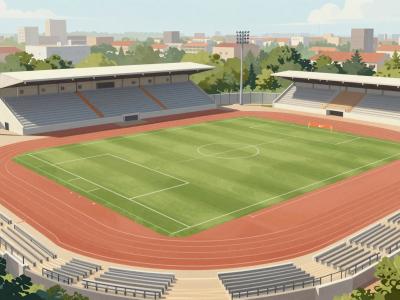
The stadium Đakovo
Local football stadium at the heart of Đakovo
Cultural Experiences
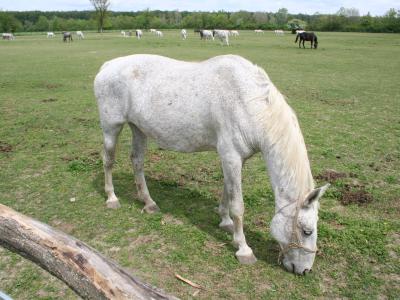
State Stud Farms Đakovo
One of Europe's oldest Lipizzan horse studs
Cultural Experiences · History & Heritage
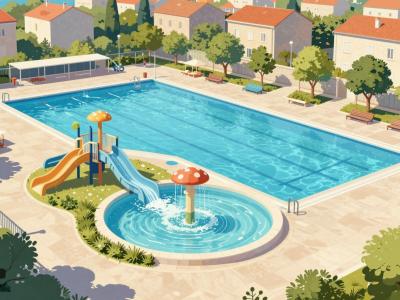
City Pools Đakovo
Modern public pools in Đakovo city center
Activities & Adventure · Urban Exploration
Questions people ask
Quick Facts
Best Time to Visit
Spring and early autumn offer mild weather, lush parks, and vibrant festivals; summer is also lively with warm temperatures and outdoor events.