







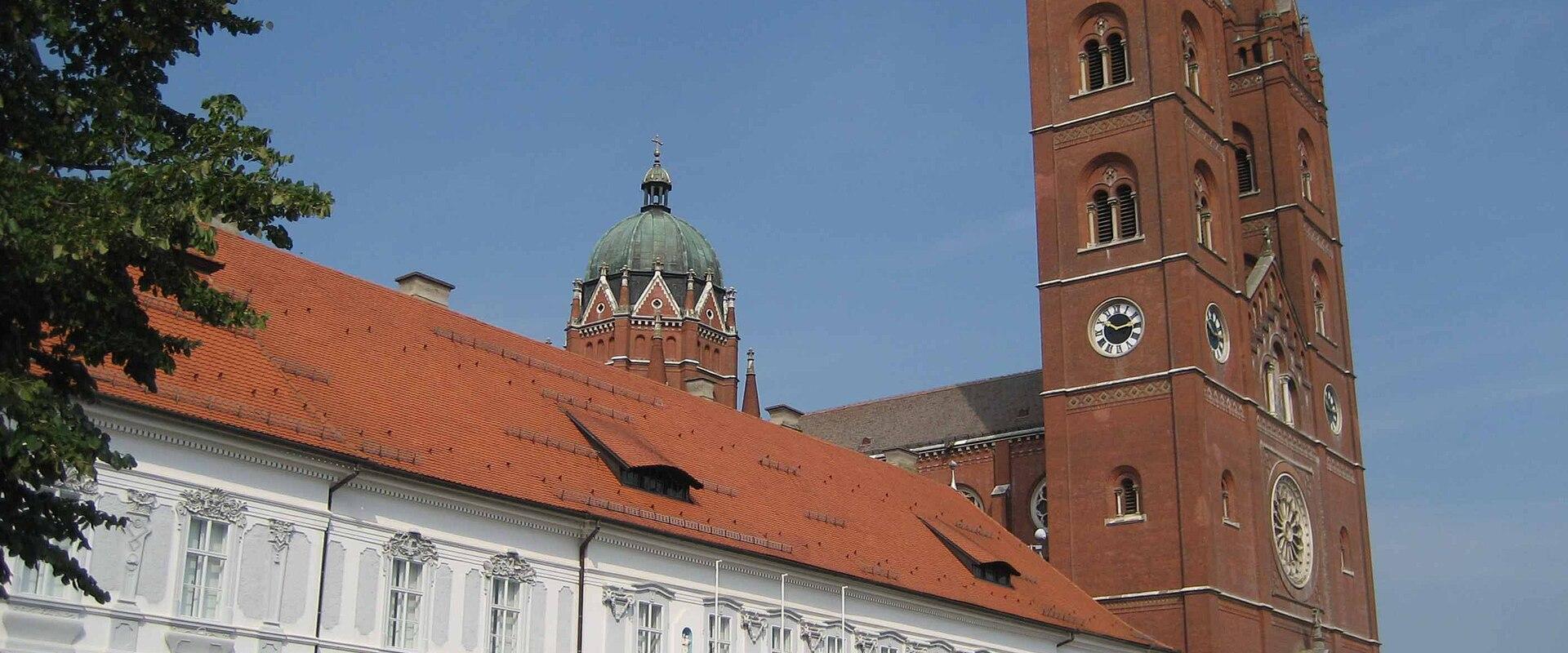
Đakovo’s history dates back to Roman times, but it grew as a cultural and religious centre in the Middle Ages and the Baroque period, when it became the seat of the bishops of the region. The city’s most iconic landmark is St. Peter’s Cathedral, a neo-Romanesque masterpiece built in the 19th century under Bishop Josip Juraj Strossmayer. The twin towers rise high above the plain and can be seen from far away, and the interior is covered with frescoes and ornate mosaics. Strossmayer, a major figure in 19th-century Croatian culture and a promoter of education and the arts, is buried in the crypt, and the cathedral remains a symbol of Đakovo’s spiritual heritage and one of Croatia’s most impressive churches. Visitors can climb the towers on certain days and look out over the roofs and the farmland that spreads to the horizon.
The old town is a blend of historic buildings, leafy parks and lively squares. The Bishop’s Palace, Strossmayer Park and the Đakovo Museum show the region’s art, history and ethnography. The city is also home to the Đakovo State Stud Farm, one of Europe’s oldest and most prestigious Lipizzaner breeding centres, founded in 1506. Visitors can tour the stables, watch riding demonstrations and learn about the horses, which take a central role in local festivals and parades. For a more relaxed afternoon, City Pools Đakovo offers a place to swim in summer, and the Cultural Center, the city stadium and entertainment venues such as Vila Magic provide a taste of everyday local life.
Đakovo’s cultural calendar is filled with events. The Đakovo Embroidery Festival, held each summer, celebrates Slavonian folk traditions, music and dance, with processions, concerts and craft stalls. The Spring Procession of Queens, known as Ljelje, from nearby Gorjani is recognised as UNESCO Intangible Cultural Heritage and features colourful costumes and ancient rituals. Local cuisine features hearty Slavonian dishes, homemade pastries and regional wines, best enjoyed in family-run restaurants and rustic cellars. Kulen, smoked sausages, stews with paprika and rich cakes are typical, and meals are usually generous. Cafes along the main street fill on summer evenings, and the cathedral square becomes a gathering place for locals and visitors after the heat of the day.
Outdoor enthusiasts can explore the surrounding countryside, with cycling and walking trails leading through vineyards, forests and fields. The nearby wine region of Kutjevo offers tastings and tours, while day trips to the Papuk Nature Park reveal waterfalls, hiking routes and geological wonders. Osijek is a short drive away, so Đakovo is easy to combine with a stay in the larger city.
Getting to Đakovo is straightforward. The city is well connected by road and rail to Osijek, Zagreb and other regional centres. Regular buses and trains serve the area, and parking is available throughout the city. Accommodation options range from hotels and guesthouses to rural lodges and private apartments, catering to a variety of preferences and budgets.
The best time to visit Đakovo is in spring and early autumn, when the weather is mild, the city’s parks and vineyards are lush and local festivals bring the streets to life. Summer is also lively, with events and warm temperatures suited to sightseeing and outdoor activities, and the embroidery festival draws large crowds. Whether you are interested in history, horses or Slavonian culture, Đakovo promises a memorable and enriching experience.
Best time to visit
Spring and early autumn offer mild weather, lush parks, and vibrant festivals; summer is also lively with warm temperatures and outdoor events.
What to see in Đakovo
Our picks first.
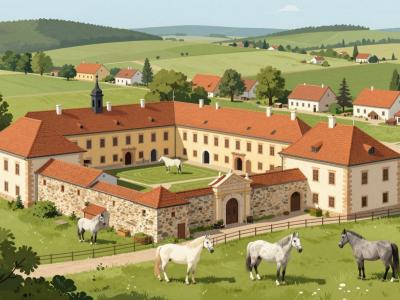
National Lipizzan Stud Farm ĐAKOVO MS
Europe’s oldest Lipizzaner stud farm since 1506
From €10 Cultural Experiences · History & Heritage

The stadium Đakovo
Local football stadium at the heart of Đakovo
Cultural Experiences
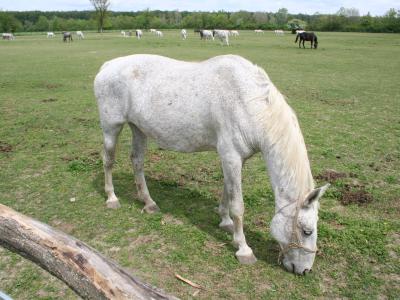
State Stud Farms Đakovo
One of Europe's oldest Lipizzan horse studs
Cultural Experiences · History & Heritage
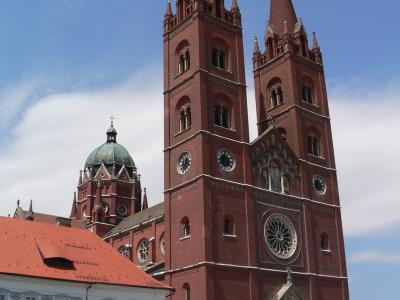
Cathedral of St. Peter
Gothic-Romanesque cathedral with historic frescoes
Cultural Experiences · History & Heritage
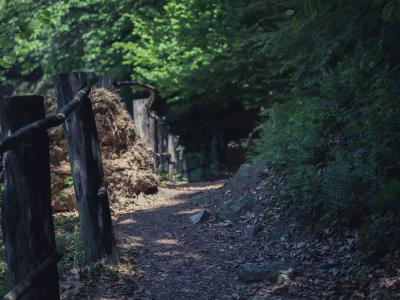
Park Prirode Papuk
UNESCO Global Geopark with rich geology and biodiversity
Activities & Adventure · Natural Wonders
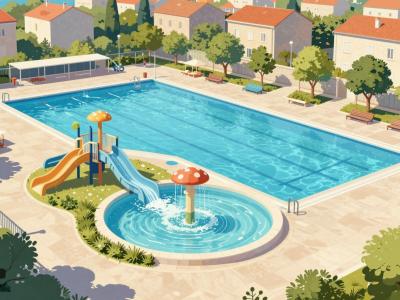
City Pools Đakovo
Modern public pools in Đakovo city center
Activities & Adventure · Urban Exploration
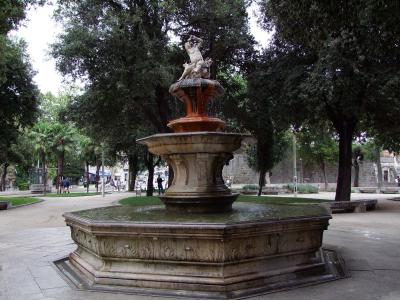
Strossmayer park
Central Đakovo park with free, 24/7 access
Natural Wonders · Urban Exploration
Đakovo by interest
The same sights, grouped by what you came for.
Did you know?
Checked facts about Đakovo, each with its source.
-
Sports
Đakovo's Stud Farm Dates Back to 1506
The State Stud Farm in Đakovo, first recorded in 1506, is one of the oldest in Europe, 74 years older than the stud at Lipica, the Lipizzaner's home. Lipizzaner horses are bred here today.
Source: Turističke priče
Upcoming here
Events in Đakovo, with dates checked against each organiser.
-
July 2027 Exact dates not announced
Tradition · Đakovo
Đakovački vezovi
Slavonia's big folklore gathering: watch dancers and tamburica players in embroidered costume, the parade through Đakovo and the shows in front of the cathedral and in Strossmayer park.
Planning a visit to Đakovo
Itineraries that include Đakovo
Good to know
- Currency
- EUR
- Language
- Croatian
Quick Facts
Book your stay
Questions people ask
More places in Slavonia
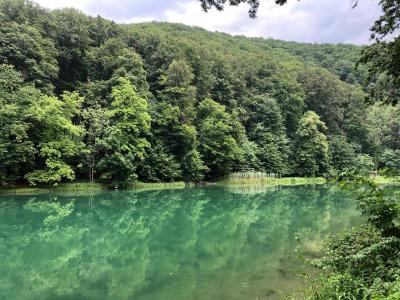
Slavonia
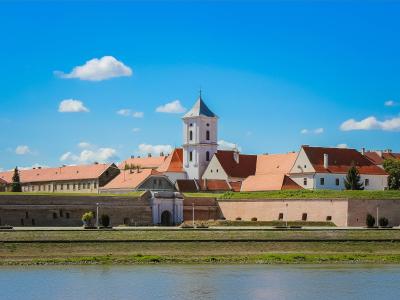
Papuk Nature Park
UNESCO Geopark with forests, waterfalls, and medieval ruins
Slavonia
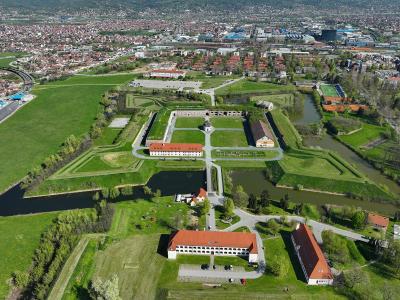
Osijek
Slavonia’s river city with baroque fortress and vibrant culture
Slavonia
Slavonski Brod
Sava riverside city with fortress, parks, and vibrant culture
Slavonia
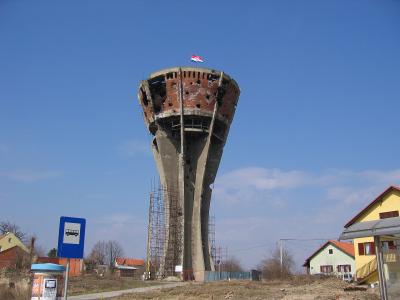
Vukovar
Hero City on the Danube with memorials and museums