








- Where
- Klanjec, Zagorje
- Directions
- Directions
Cesargrad is the ruin of a medieval fortress on a hill northwest of Klanjec, in Hrvatsko Zagorje, in the far northwest of Croatia, close to the Slovenian border. It overlooks the valley of the Sutla River, which forms the frontier, and the walk to it through vineyards and woods is one of the more rewarding short hikes in the region.
The castle’s history is a good guide to the area’s past. It is first recorded at the end of the fourteenth century, when it belonged to the Counts of Celje, the powerful noble family that held large estates on both sides of the present border. Later it passed to other families, among them the Erdödy (Erdődy), a leading Croatian and Hungarian noble house that owned many lands in the region. During the Great Peasants’ Revolt of 1573, which shook this part of Croatia, the fortress was attacked and damaged, and although it was restored afterwards, it fell into decline and had become a ruin by the early seventeenth century. What remains are walls, the outline of towers and the shape of a courtyard, which can still be explored, and the setting gives a sense of how commanding the site must have been.
Hiking is the way to reach the ruins, and the route is part of the experience. Trails wind upward through vineyards and mixed woodland, and the highest point of the hill, called Japica, reaches about 509 metres on Cesargradska Gora, the ridge on which the castle stands. Views open out in places over the Sutla valley and the hills on the Slovenian side, and in good weather the scene is wide and peaceful. A small mountain house near the ruins offers a place to rest and have a drink, and walking groups often organise guided tours that explain the castle and its owners.
The town of Klanjec lies at the foot of the hill and has several interesting places. The Franciscan monastery holds the sarcophagus of the Erdődy family and the Church of the Annunciation of the Blessed Virgin Mary, and the Antun Augustinčić Gallery displays works by the sculptor who was born in the town and became internationally known. A monument to the Croatian anthem also stands in Klanjec, which makes the town a good cultural stop to combine with the hike, one of Croatia’s lesser-known cultural corners.
The ruins are open in the sense that no one controls access, and the trails are usable for most of the year, although snow and mud can make them slippery. Wear sturdy shoes, take water and allow two to three hours for the walk and exploring. Visitors of many kinds will enjoy it, and it suits walkers, history lovers and anyone who enjoys ruins with a view.

More photos coming soon
Nearby Attractions
Other places to visit in Klanjec
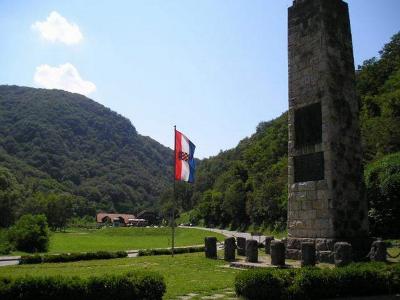
Spomenik Hrvatskoj Himni
Monument honoring Croatia’s national anthem since 1935
Cultural Experiences
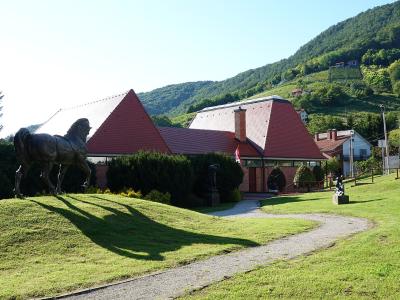
Galerija Antuna Augustinčića
Gallery of Antun Augustinčić’s sculptures and monument park
From €1.50 Cultural Experiences
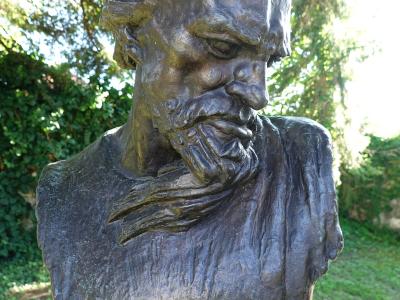
Antun Augustinčić Gallery
Sculpture gallery showcasing Antun Augustinčić’s works
Cultural Experiences
Questions people ask
Quick Facts
Best Time to Visit
Spring and autumn offer mild weather, lush vineyards, and lively festivals; summer is also pleasant for hiking, wine tasting, and exploring the countryside.