







- Admission
- Free
- Hours
- Open access 24/7
- Where
- Kastav, Kvarner
- Directions
- Directions
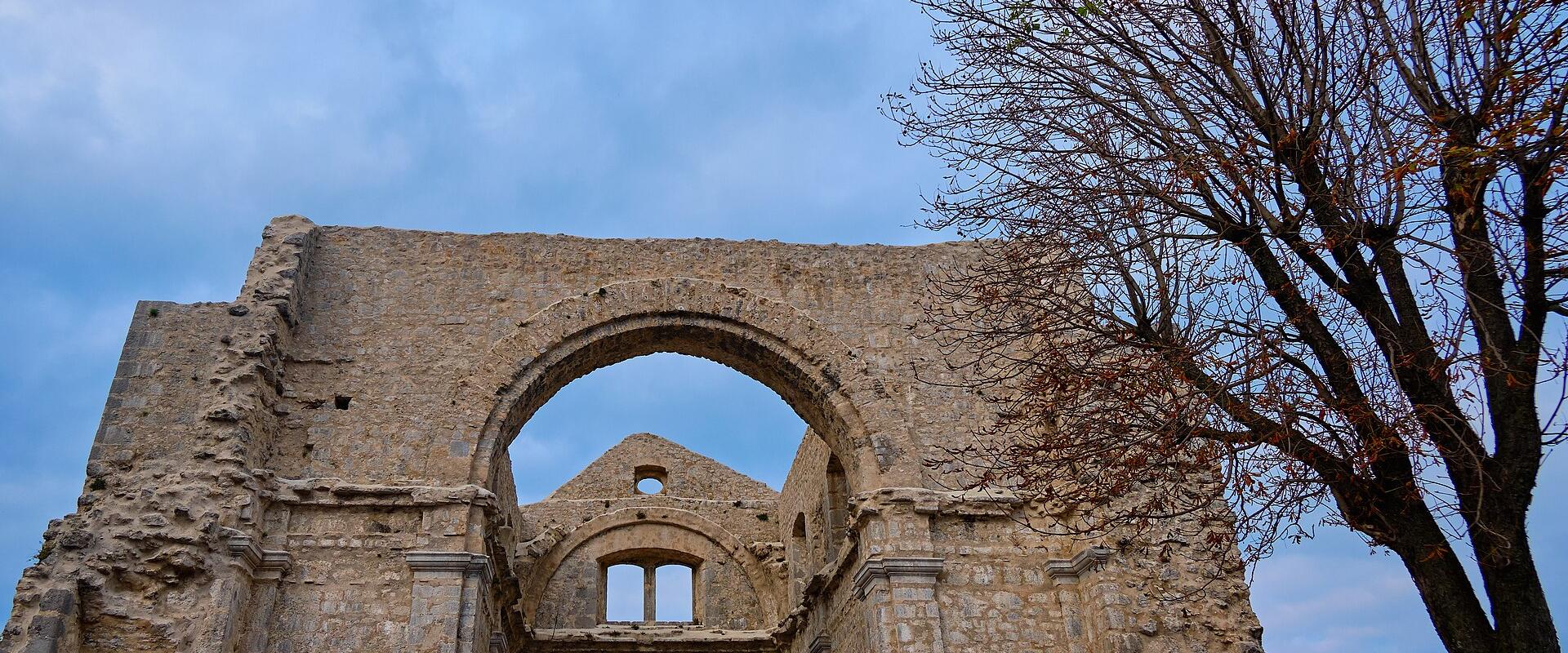
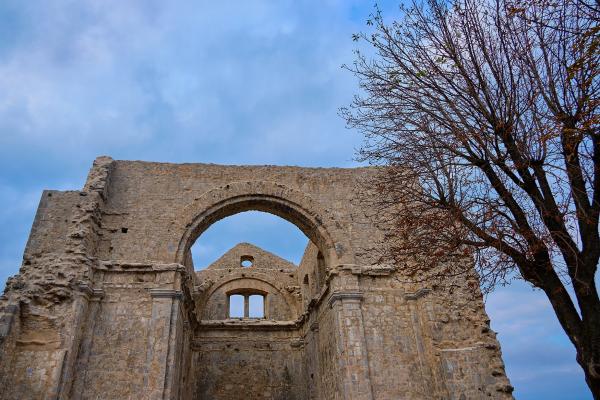
On the edge of the old hilltop town of Kastav, the ruins of the Church of the Assumption offer a striking glimpse into the region's architectural history. This site, locally known as Crekvina, was originally intended to be a grand, monumental structure. In the 18th century, the local Jesuit community initiated the construction of a massive new church designed to accommodate the growing population.
However, the project was never completed. The construction was halted when the Jesuit order was dissolved in 1773, leaving the structure in its current, unfinished state. Today, the site is characterized by the remaining stone walls and the skeletal framework of the intended edifice, a silent reminder of the ambitions of the past.
The area has been landscaped to include a square in front of the ruins, making it an accessible and serene spot for visitors. While the structure is no longer used for religious services, the open space is a tranquil venue for cultural events and small gatherings. The ruins provide a quiet, reflective atmosphere, allowing visitors to appreciate the scale of the original design and the historical significance of the site. It is an ideal location for those interested in local history or seeking a peaceful retreat with panoramic views of the surrounding landscape. The site is open to the public, offering a free and accessible way to connect with the historical heritage of the Kastav area.
Kastav is a small hilltop town above Rijeka with old walls, gates and narrow lanes, and it has kept the feel of a medieval town despite being only a few kilometres from the city. Crekvina lies at the edge of the old town, and the view from its terrace stretches over the Kvarner Gulf, the islands of Krk and Cres and the slopes of Mount Učka.
In summer, the roofless walls of Crekvina are the main stage of the Kastav Cultural Summer, a festival of theatre, concerts and other performances held in the open air under the stars. In early October, the town celebrates Bela nedeja, a festival of young wine and local food with music in the streets, one of the best-known autumn events in the Kvarner region.
Categories
More photos coming soon
Hours & Fees
- Open
- Open access 24/7
- Admission
- Free
Hours and prices change, especially out of season. Check with the venue before you go.
Questions people ask
Quick Facts
Best Time to Visit
May to June and September offer warm weather, lush forests, and lively festivals; summer is also pleasant for exploring the town and enjoying panoramic views.