








Kastav’s history stretches back to prehistoric times, but its medieval character was shaped from the 10th century onward, when it became an important defensive stronghold and trading post. The town’s strategic hilltop location provided protection and control over the Kvarner Bay, and its massive stone walls, towers and gates still stand as a reminder of its turbulent past. In 1400 the Kastav Statute, a law code written in Croatian, set out the rights and duties of the community and its rulers, and the town enjoyed a high degree of self-government under the lords and later the Habsburgs. Kastav’s old town is a maze of narrow alleys, stone houses and picturesque squares, where every corner tells a story of nobles, merchants and artisans.
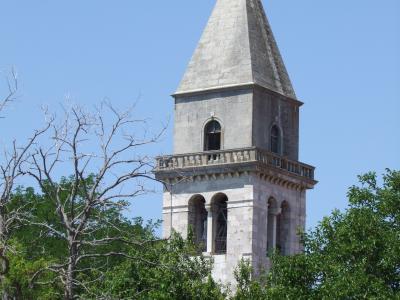
The center of Kastav is the main square, Lokvina, framed by the imposing Crekvina ruins, the remains of a Baroque church that was never completed, which is now an atmospheric venue for concerts and open-air events. The town’s loggia, once the seat of local government, and the Aleja Velikana, the Avenue of Greats, lined with busts of notable citizens, reflect Kastav’s civic pride. The Church of St. Jelena Križarica, with its Renaissance bell tower, and the Church of St. Vitus, the oldest in Kastav, are highlights for lovers of art and architecture. The parish church of St. Jelena Križarica, the Cross-finder, stands at the edge of the old town, and its square tower is visible from far away.
Kastav’s medieval fortifications, including the city gates and defensive walls, offer panoramic viewpoints over the Adriatic and the islands of Cres and Krk. The town’s cultural life is vibrant, with festivals such as the Kastav Summer of Culture, the International Guitar Festival and the Kastav Blues Festival drawing artists and audiences from across Croatia and beyond. The Kastav Festival fills the squares with concerts and performances in summer, and art galleries, craft shops and local wineries add to the town’s creative spirit. In spring, the town also holds a traditional carnival, with masked groups from nearby villages.
Outdoor enthusiasts will find plenty to enjoy in and around Kastav. Hiking and cycling trails lead through the Kastav Forest and into the Učka Nature Park, offering routes for all levels and wide views. The Japnenice Trail, which explores the natural and cultural heritage of the area, and the promenades around the town are easy walks, and the Spinčićev Breg rest area is a waypoint on the Puž–Rijeka hiking trail. The old Rapallo border guardhouse recalls that after 1920 the frontier between Italy and Yugoslavia ran nearby, a part of the area’s complicated 20th-century history. The town’s closeness to Opatija, Rijeka and the Kvarner coast means beaches, marinas and seaside promenades are just a short drive away. Day trips to the islands, the Gorski Kotar mountains and the Istrian peninsula are easily arranged.
Kastav’s restaurants and konobas serve a blend of coastal and mountain cuisine, with fresh seafood, wild game, homemade pasta and local wines. The town’s markets and festivals celebrate regional products, crafts and traditions, which makes it a favorite for food and culture lovers alike. The local dish is the Kastav lamb and traditional sausages, served with polenta.
Getting to Kastav is straightforward. The town is located about 10 km from Rijeka and is easily accessible by car, bus or taxi. Parking is available near the old town, which is best explored on foot. Accommodation options range from boutique hotels and guesthouses to private apartments, many offering wide views.
The best time to visit Kastav is from May to June and September, when the weather is warm, the forests are lush and the town’s festivals and outdoor activities are in full swing. Summer brings lively events and long, sunny days, while spring and early autumn offer mild temperatures and fewer crowds. Whether you are drawn by history, culture or the panoramic views, Kastav offers a memorable and authentic Kvarner stay.
Best time to visit
May to June and September offer warm weather, lush forests, and lively festivals; summer is also pleasant for exploring the town and enjoying panoramic views.
What to see in Kastav
Our picks first.
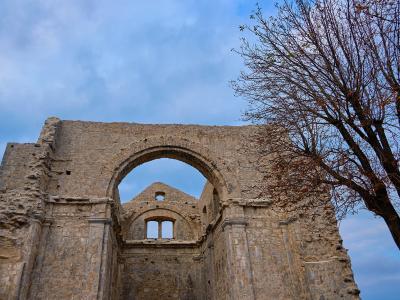
Crekvina Church Ruins
Baroque Jesuit church ruins with panoramic views
Free History & Heritage · Historic Churches
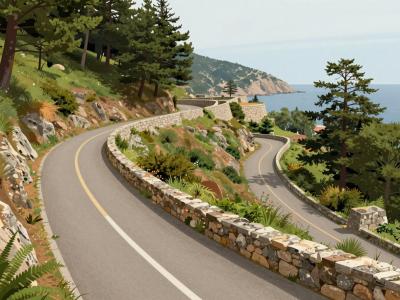
Kastav Promenades and Cycling Trails
Scenic cycling trails through Kastav’s forests
Activities & Adventure · Coastal & Maritime
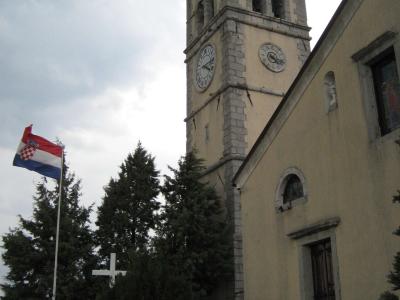
Parish Church of St. Jelena Križarica
Baroque hilltop church with 32m bell tower
Cultural Experiences
Kastav by interest
The same sights, grouped by what you came for.
Did you know?
Checked facts about Kastav, each with its source.
-
Legend
Kastav's Bell Ringers Are UNESCO Heritage
Each January carnival season, bell ringers in sheepskins, with bells tied around their waists, march through the villages of the Kastav area. Their pageant was inscribed in 2009 on UNESCO's Representative List of the Intangible Cultural Heritage of Humanity.
Source: UNESCO Intangible Cultural Heritage
Planning a visit to Kastav
Good to know
- Currency
- EUR
- Language
- Croatian
Quick Facts
Book your stay
Questions people ask
More places in Kvarner
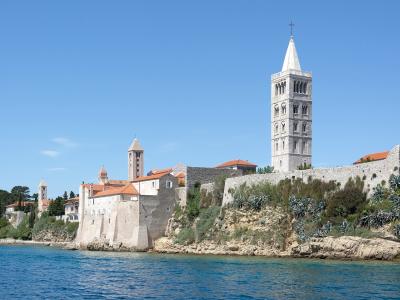
Kvarner
Rab Island
Sandy beaches, medieval towers, and vibrant island life
Kvarner
Opatija
Elegant Adriatic resort with historic villas and seaside promenades
Kvarner
Cres Island
Wildlife-rich Adriatic island with ancient hilltop towns
Kvarner
Krk
Largest Croatian island connected to mainland by bridge