







- Where
- Poreč, Istria
- Directions
- Directions
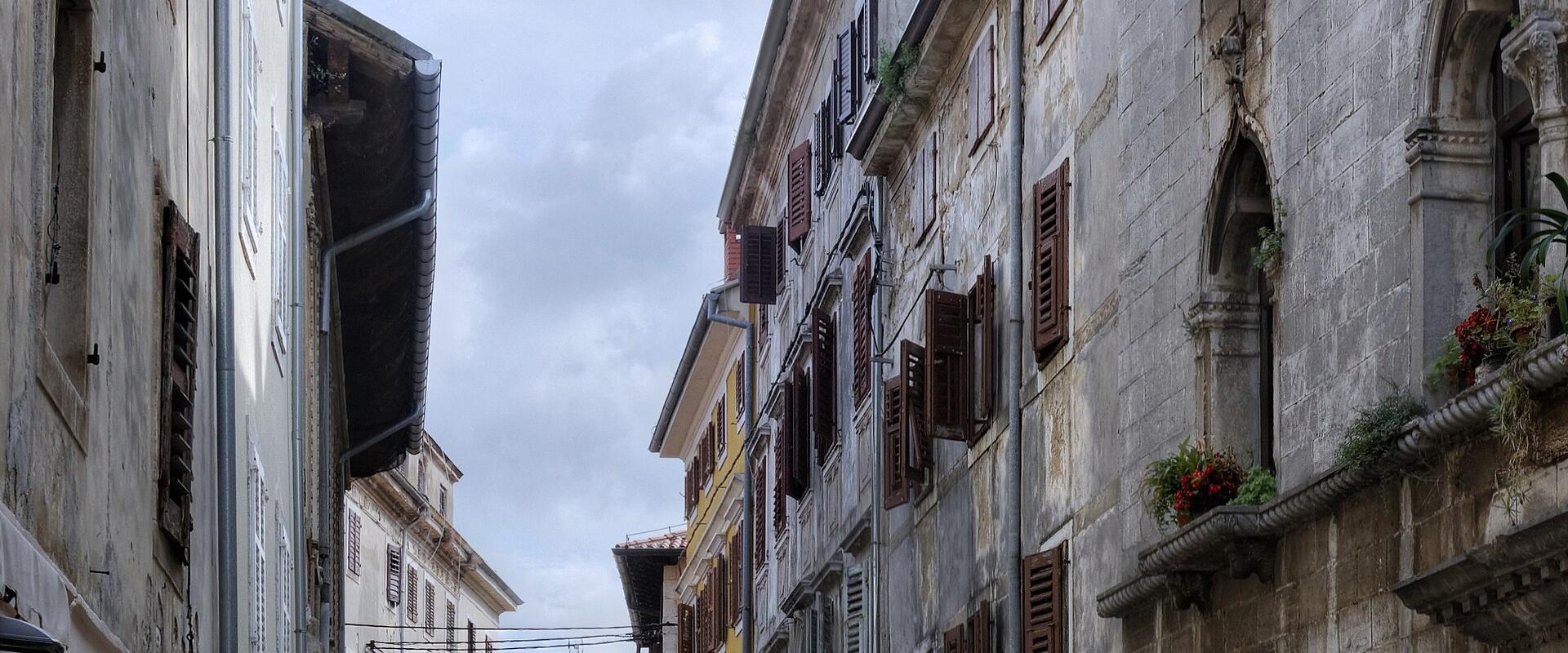
Decumanus Street is the main street of the old town of Poreč, on the western coast of Istria, and it follows the line of the principal east-west street of the Roman town that stood here two thousand years ago. When the Romans founded their colony on this small peninsula, they laid it out on a regular grid, like a military camp, with two main axes: the cardo, running north to south, and the decumanus, running east to west. The decumanus is the one that survives most clearly in the modern layout, and walking along it is a way of moving through the whole history of the town in a few hundred metres.
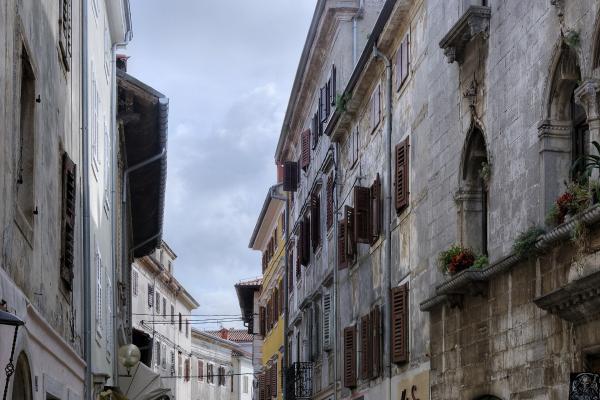
The street is paved with large stone slabs and runs from the entrance of the old town, near the land side, to the far end of the peninsula, where the sea opens out. In the Roman period it was lined with public buildings, shops and houses, and it connected the forum with the gates. After the fall of the empire, the town passed through Byzantine, Frankish and Venetian rule, and each period left its mark on the buildings that line the street. Today you can see Romanesque houses with arched windows, Gothic palaces with carved balconies and Baroque facades, all within a short stretch, and the effect is a continuous display of styles.
The street is now pedestrian, and it is the main commercial and social artery of the old town. Shops selling jewellery, clothes, souvenirs and local products line both sides, and galleries, cafes and restaurants are set in the old houses and courtyards. Local olive oil, honey, truffle products, wine and spirits are widely sold, and it is a good place to shop for Istrian specialities. In the evening, the street fills with strollers, and the terraces glow with light.
Near its western end, the decumanus leads to Marafor Square, which was the Roman forum, and where the remains of two temples, associated with Neptune and with Mars, can still be seen. A short walk to the north brings you to the Euphrasian Basilica, a church of the sixth century with Byzantine mosaics, which is a UNESCO World Heritage Site and is the most important monument of Poreč. The marina and the seafront promenade are close, and the old town is small enough to cover easily on foot.
Walking the length of the street takes ten minutes, but you should allow at least an hour or two with stops. It is free and open at all times. The stone slabs can be slippery when wet, so wear shoes with grip, and note that it is crowded in the high summer, so early morning or evening is best. The street suits history lovers, shoppers and anyone who enjoys a lively old town.
Categories
More photos coming soon
Nearby Attractions
Other places to visit in Poreč
Euphrasian Basilica
Byzantine basilica with 6th-century mosaics
History & Heritage · Cathedrals
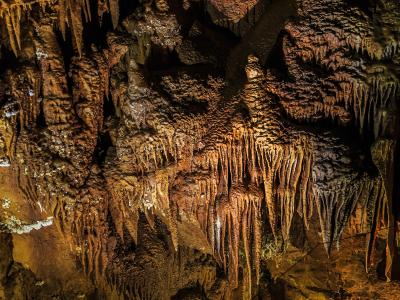
Baredine Cave
Underground cave with rare olm and formations
Natural Wonders · Caves
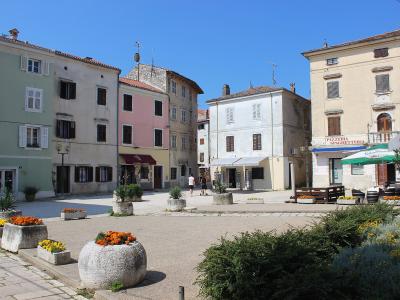
Marafor Square
Historic square with restaurants and shops in Poreč
Cultural Experiences
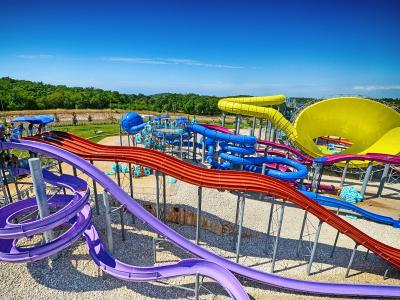
Aquapark Aquacolors
Largest water park in Croatia with 12 slides
Activities & Adventure · Water Sports
Questions people ask
Quick Facts
Best Time to Visit
May to September offers warm weather, lively festivals, and ideal swimming; late spring and early autumn are quieter with pleasant temperatures for sightseeing.