







Drenov Bok
Europe’s largest natural floodplain with rich biodiversity
- Where
- Lonjsko Polje Nature Park, Central Croatia
- Directions
- Directions
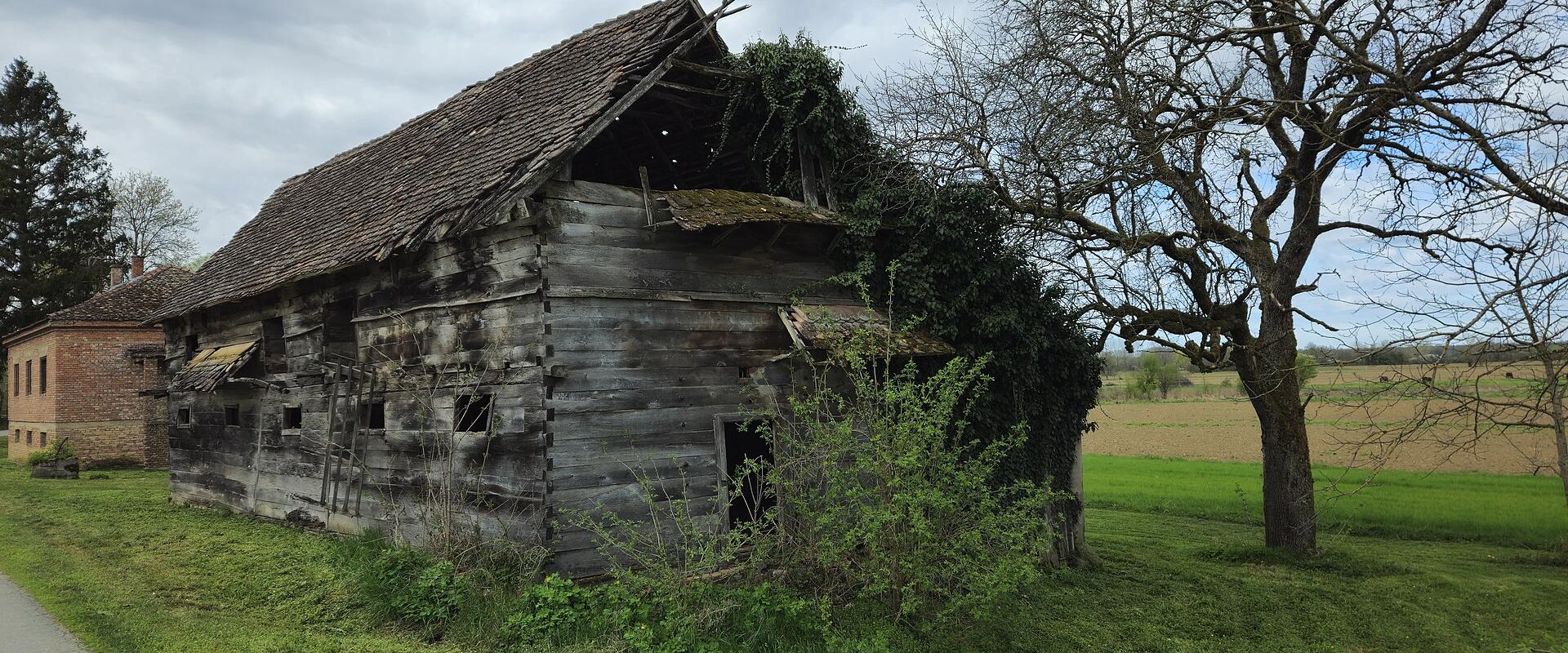
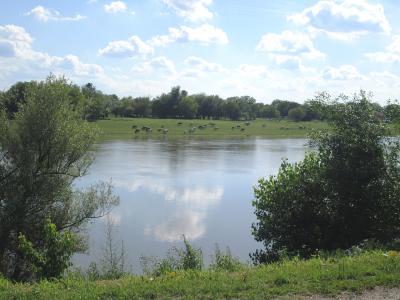
Lonjsko Polje Nature Park, about an hour and a half south-east of Zagreb, protects the largest area of preserved floodplain in the Danube basin and one of the largest in Europe, a vast, flat country along the Sava River where the water decides everything. Drenov Bok lies within the park, among the oak forests, meadows and channels, and it gives a good introduction to this landscape. The park has been a protected area since 1990 and is a wetland of international importance.
The key to the floodplain is the Sava itself. In autumn and spring, when the river is in spate, the water spills out of its channel through a system of canals and flows into the Lonja basin and the surrounding lowlands, flooding meadows and forests to a depth of a metre or more. The flood can last for weeks, and when it retreats, it leaves behind rich silt and a tangle of ponds and backwaters. This cycle shapes the forests of pedunculate oak and narrow-leaved ash that cover large parts of the park, and the trees stand with their roots in the water for part of the year. The wet meadows are home to rare plants, including a small aquatic fern known as water clover, or four-leaf clover, a species that has vanished from much of Europe. The area is also a haven for birds, among them white storks, black storks, white-tailed eagles, herons and many ducks.
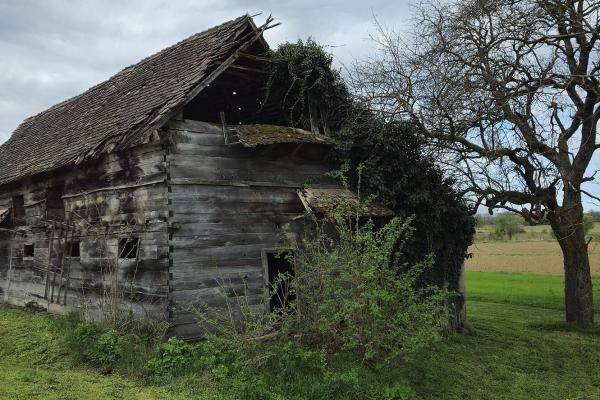
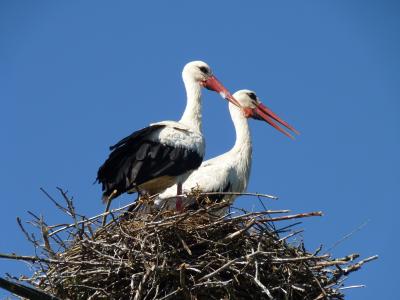
People are part of the landscape. For centuries the villagers of the Posavina region lived by the floods, building traditional timber houses on raised ground and grazing their animals on the meadows. The old breeds that still graze here include the Posavina horse and the Turopolje pig, both of which are kept free in the pastures and woods, and they add to the character of the place. Several villages in the park are known as stork villages, where white storks build large nests on rooftops each spring, and one of them, Čigoč, was the first European stork village. Visiting in spring and early summer gives the best chance to see nesting storks.
Walking and cycling trails lead through the forests and along embankments, and boat or canoe trips are offered at certain times. Because water levels change, some paths are impassable during floods, so it is wise to ask at the park's information centre. Mosquitoes can be numerous in summer, so bring repellent and long sleeves. Lonja and the Sava Meadows are nearby areas that can be combined with a day in the park.
Drenov Bok suits nature lovers, birdwatchers, photographers and those curious about traditional rural life. Allow half a day and wear waterproof shoes.
Categories
More photos coming soon
Nearby Attractions
Other places to visit in Lonjsko Polje Nature Park
Questions people ask
Quick Facts
Best Time to Visit
April to October offers mild weather, vibrant birdlife, and accessible trails; spring and early summer are especially ideal for wildlife viewing.