







Lonja
Europe’s largest protected wetland and bird habitat
The Lonja River is a river in the Posavina region of Central Croatia, a slow, winding tributary of the Sava, and it gives its name to Lonjsko Polje, the great floodplain that stretches along the Sava south-east of Zagreb. The word polje means field, and the name of the Lonjsko Polje Nature Park can be read as the field of the Lonja. The village of Lonja, in the middle of this landscape, is one of the settlements that grew up on its raised ground, and for visitors it is a good way into an area that rewards slow exploration.
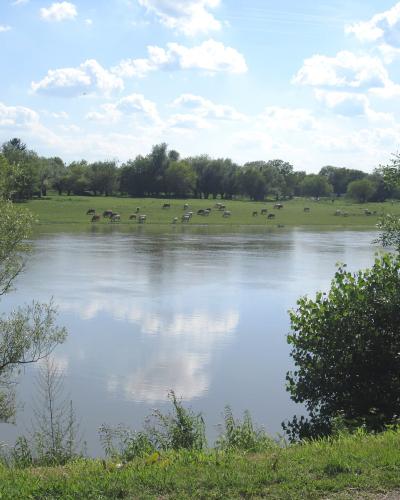
The Lonja basin is a natural reservoir for floodwater. Each spring and autumn, when the Sava swells with rain and meltwater, the water is diverted into the lowland along channels, and the plain around the river fills with a shallow lake that can last for weeks. In the 1970s, a system of dams and canals, called the Lonja-Strug retention, was built to control these floods and protect towns downstream, and while engineers designed it to prevent damage, its effect was to preserve the natural flooding of the lowland, so that the wetland survived when so many others in Europe were drained. The park, established in 1990, now covers about 50,000 hectares, and it is one of the largest protected wetlands in the Danube basin.
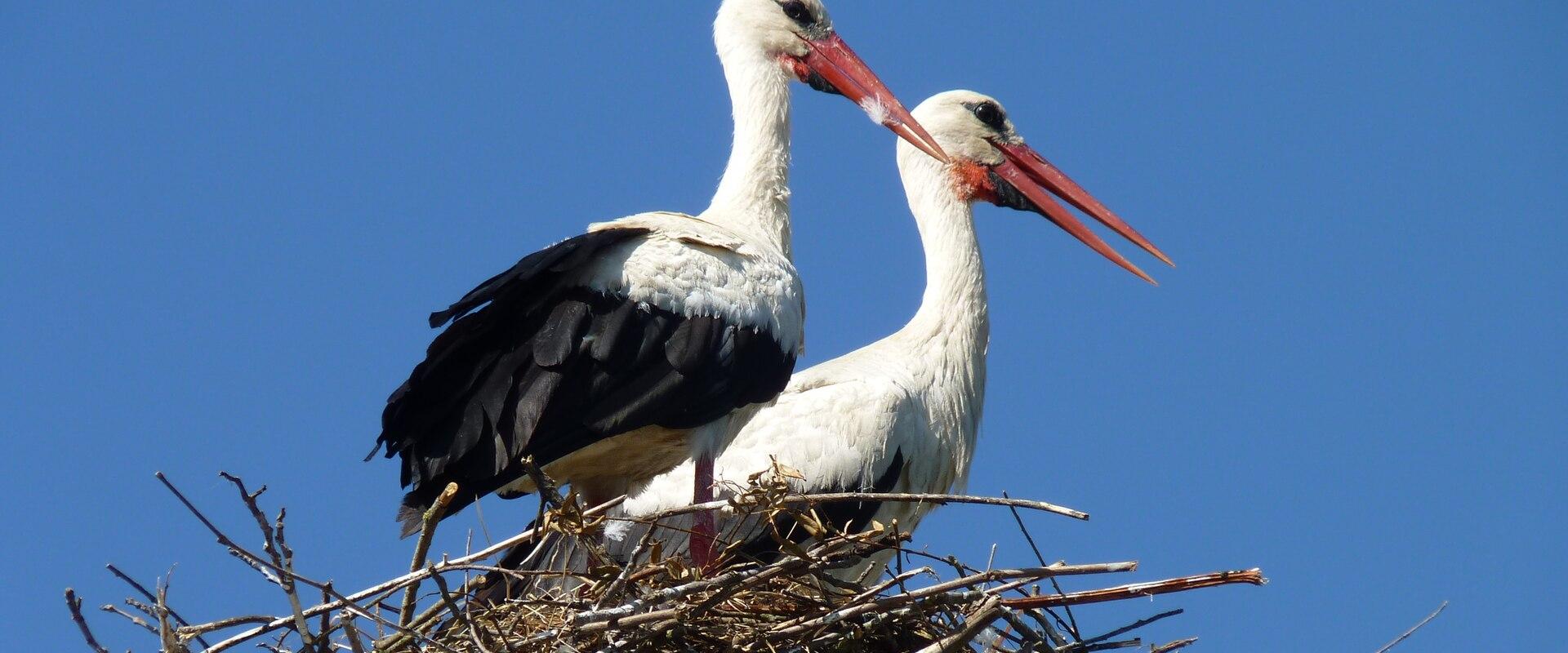
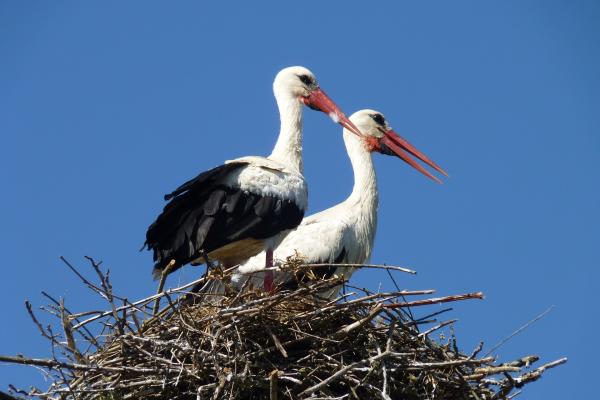
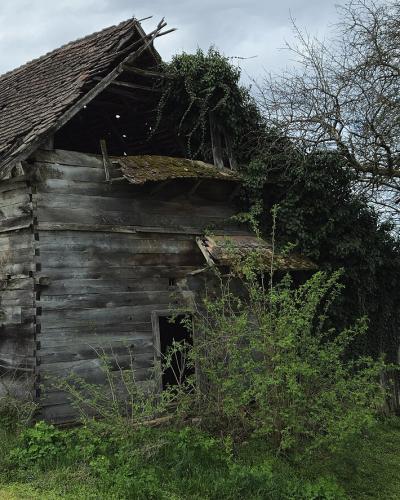
The landscape of the Lonja area is made up of wet meadows, oak and ash forests, reed beds, channels and small villages. The meadows are grazed by traditional breeds of cattle, horses and pigs, and the forests are home to many animals. The park is an Important Bird Area, and storks, herons, spoonbills, eagles and many waterfowl nest or feed here. In several villages, white storks build huge nests on rooftops, and the clapping of bills is one of the typical sounds of spring. The old timber houses, built of oak and raised above flood level, are protected as part of the cultural heritage.
Visitors can explore on foot or by bike along embankments and tracks, and by canoe or boat when the water allows. Plan around the water level, since paths may be flooded in spring and autumn, and ask at the park information centre for current conditions. In summer, mosquitoes are numerous, so bring repellent. The nearby Drenov Bok and the Sava Meadows are other places to see within the same park.
The Lonja area suits birdwatchers, photographers, cyclists and anyone interested in traditional rural life. Late spring is good for storks, and autumn for colour and migratory birds.
Categories
More photos coming soon
Nearby Attractions
Other places to visit in Lonjsko Polje Nature Park
Frequently Asked Questions
Quick Facts
Best Time to Visit
April to October offers mild weather, vibrant birdlife, and accessible trails; spring and early summer are especially ideal for wildlife viewing.