







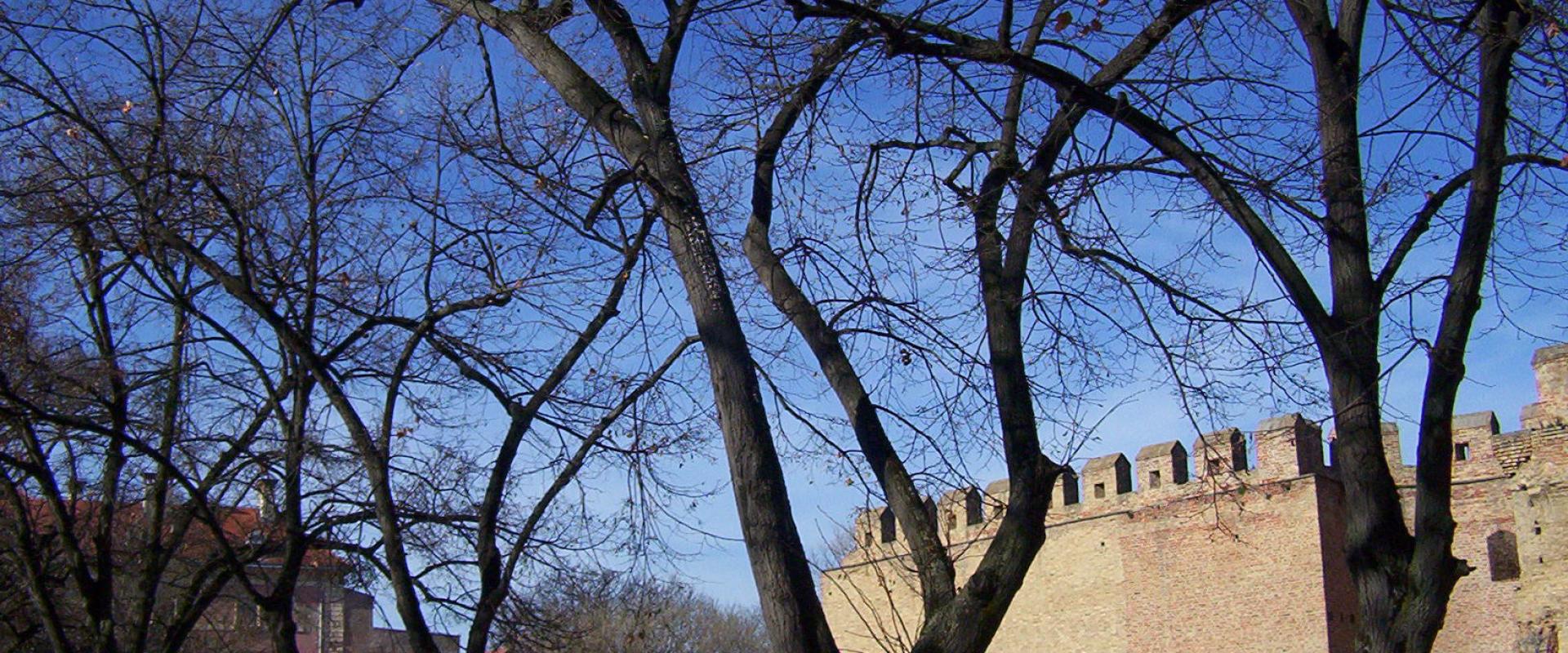
Ilok Fortress and Monastery Ensemble
15th-century fortress and monastery by the Danube
- Where
- Ilok, Slavonia
- Directions
- Directions
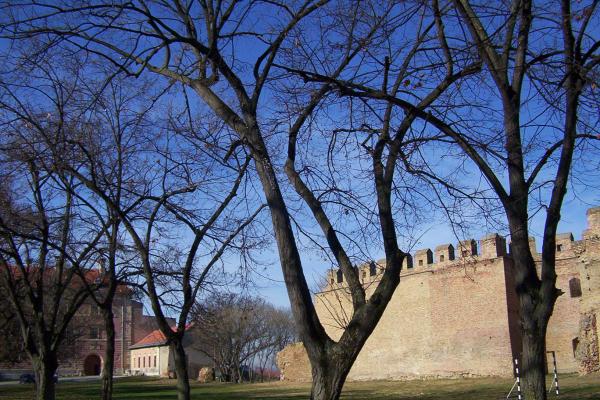
Ilok sits on a steep ridge above the Danube River at the eastern tip of Croatia, on the border with Serbia, and its walled old town is the most easterly historic site in the country. The fortress, the Franciscan monastery and the Church of St. John Capistrano together form the Ilok Fortress and Monastery Ensemble that records the whole turbulent history of this frontier, from medieval nobility to Ottoman rule and the Habsburg restoration.
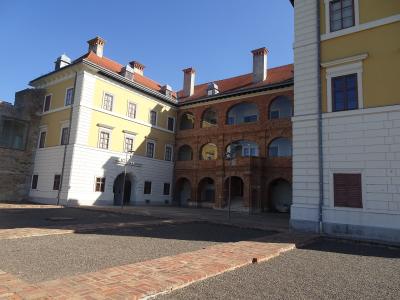
The Ilok Fortress was built in the 15th century by Nicholas of Ilok (Nikola Iločki), a powerful nobleman who became the ruler of Bosnia and the lord of the town. Under his family Ilok became a regional centre, with a strong castle and a protected settlement. The Ottoman army took the town in 1526, and it stayed under Ottoman control for more than 150 years. After the Habsburg reconquest of Slavonia in the late 17th century, the estate was bought by the Odescalchi family, an Italian noble house, who rebuilt the castle in the Baroque manner and gave it the name by which it is also known, Odescalchi Castle.
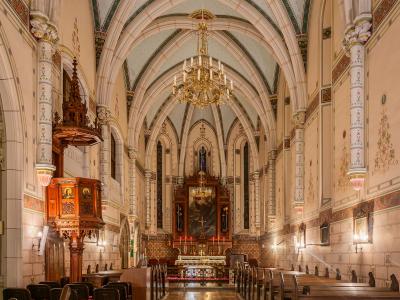
The Church of St. John Capistrano and the adjoining Franciscan monastery are tied to a famous name. John of Capistrano, a Franciscan preacher who helped rally the defenders of Belgrade against the Ottomans in 1456, died in Ilok shortly afterwards and was buried in the friary church here. His tomb makes the place a pilgrimage point. The Friary of St. John of Capistrano (Samostan sv. Ivana Kapistrana) is a good short stop within the ensemble.
Inside the castle complex the Museum of the Town of Ilok presents archaeology, local history and objects from the Odescalchi period. Outside, terraces and bastion walls give open views across the river and over the vineyards that cover the surrounding slopes. Ilok is Croatia's easternmost wine town, and the Old Cellars (Iločki Podrumi) below the old town are a short walk away; the area's wine tradition goes back to Roman times, and varieties such as Graševina and Traminac are the local pride.
The site suits history fans, wine lovers and travellers on a Danube or Slavonia itinerary. Allow a couple of hours for the museum, the church and the walls, and more if you add a cellar tasting. The old town is compact and easy to explore on foot, though the streets slope, so wear comfortable shoes.
Categories
More photos coming soon
Questions people ask
Quick Facts
Best Time to Visit
May and September offer pleasant weather, lush vineyards, and vibrant festivals; spring and early autumn are ideal for wine tasting and exploring the Danube.