







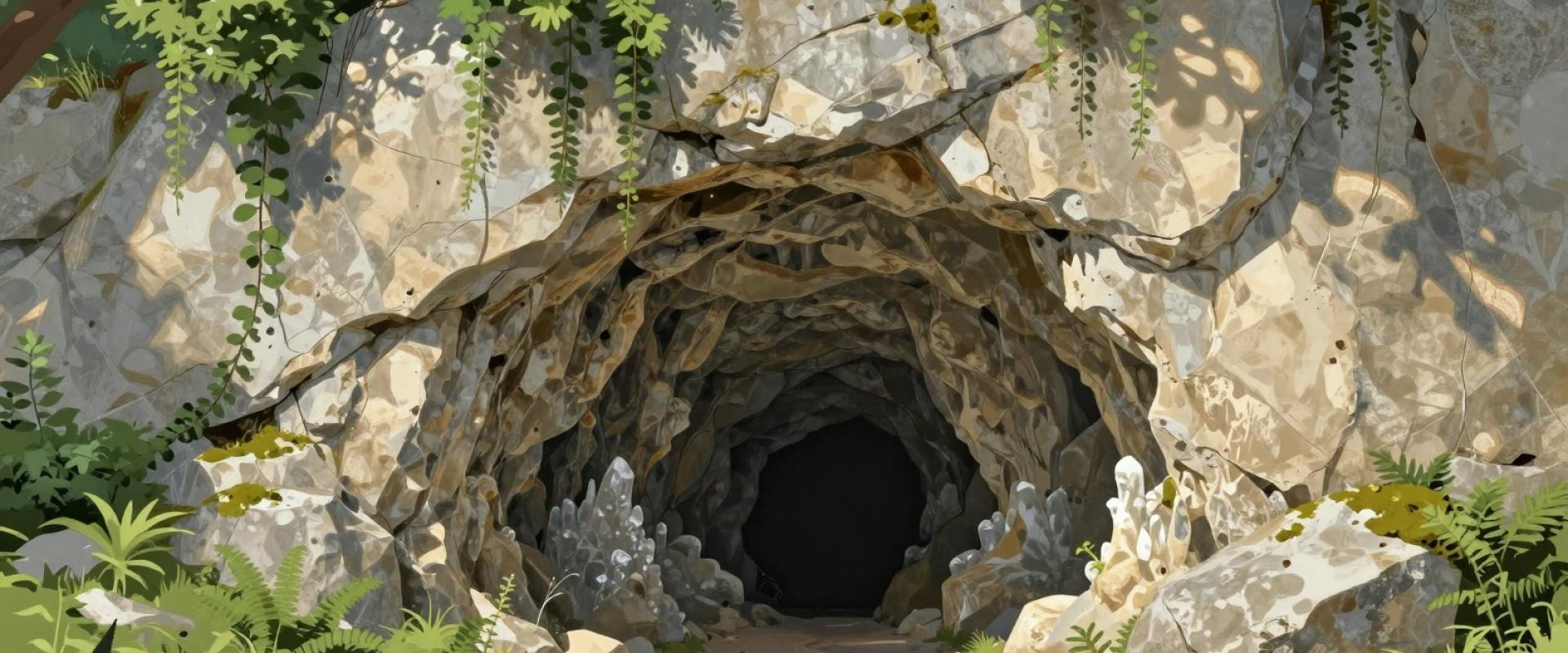
Jelenska Cave
Karst cave with rich fossil and mineral deposits
Jelenska Cave lies in the hills near Radoboj, a village in Hrvatsko Zagorje, in northwestern Croatia, on the slopes of Strahinjčica, the wooded mountain ridge that rises above the village. It is a small natural cave in limestone country, and it belongs to a landscape that is more famous than the cave itself, because Radoboj is known worldwide among geologists and palaeontologists.
The reason is the rock beneath the village. Radoboj sits on beds of marl and limestone laid down in the Miocene, millions of years ago, in a time when this part of Europe was covered by warm, shallow seas and lakes. Fine sediments preserved delicate organisms with remarkable detail, and the fossils found here, notably insects and plant leaves, have been collected and studied since the nineteenth century. Radoboj was also a mining centre. Sulphur was extracted from the hills for a long period, and the galleries and spoil heaps are part of the local history. For anyone interested in geology, a visit to the area gives a context for caves, rocks and minerals together.
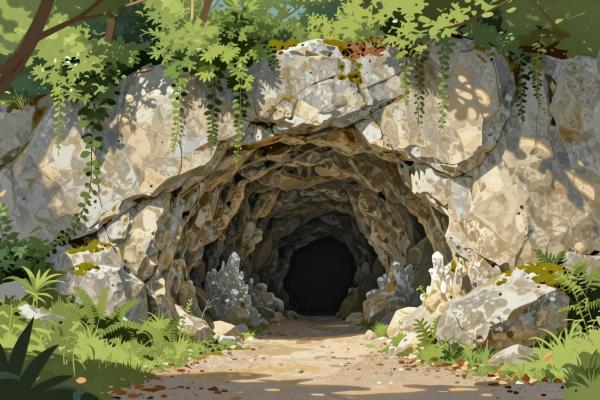
Visitors to Jelenska Cave should expect a short walk through forest to reach the entrance, which is usually surrounded by trees, ferns and moss. A cave of this kind is cool and damp, with a stable temperature that feels pleasant on a hot day and chilly in winter. Inside, you may see rock formations created by dripping water, small chambers and narrow passages. As in most caves, the interior is dark and the ground can be slippery, so a good torch and sturdy shoes are essential, and it is wise to avoid going alone or entering parts that are not clearly safe. Caves are also home to bats and other small animals, so disturbance should be kept to a minimum.
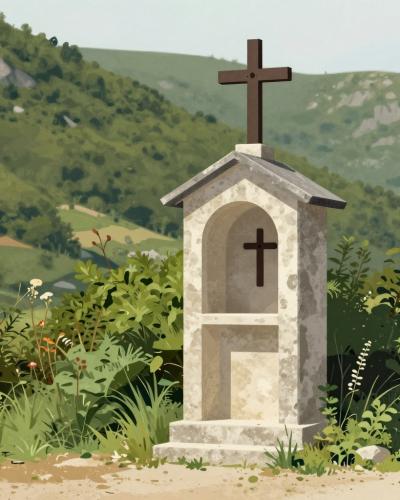
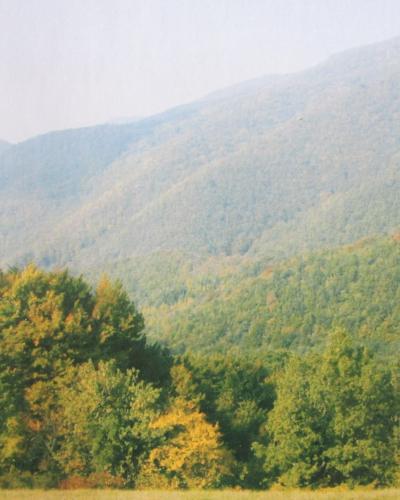
The surroundings add to a day out. Strahinjčica has marked paths leading to its summit, Vrh Sušec, which gives wide views over Zagorje, and an orchid trail, the Orhidejska Staza, is at its best in late spring. The Sanjiva Dolina, or Sleepy Hollow, is a pleasant, quiet spot, and a crucifix shrine at Strahinje Radobojsko adds to the local interest. A hike that links these places can fill half a day.
Spring and autumn are the best seasons, with mild weather and fresh woodland. The cave suits walkers, geology fans and families with older children, and it is a modest, quiet stop rather than a major site.
Categories
More photos coming soon
Nearby Attractions
Other places to visit in Radoboj

Frequently Asked Questions
Quick Facts
Best Time to Visit
Mid June to early September offers warm weather, lush scenery, and ideal conditions for hiking, sightseeing, and enjoying local festivals and outdoor activities.