







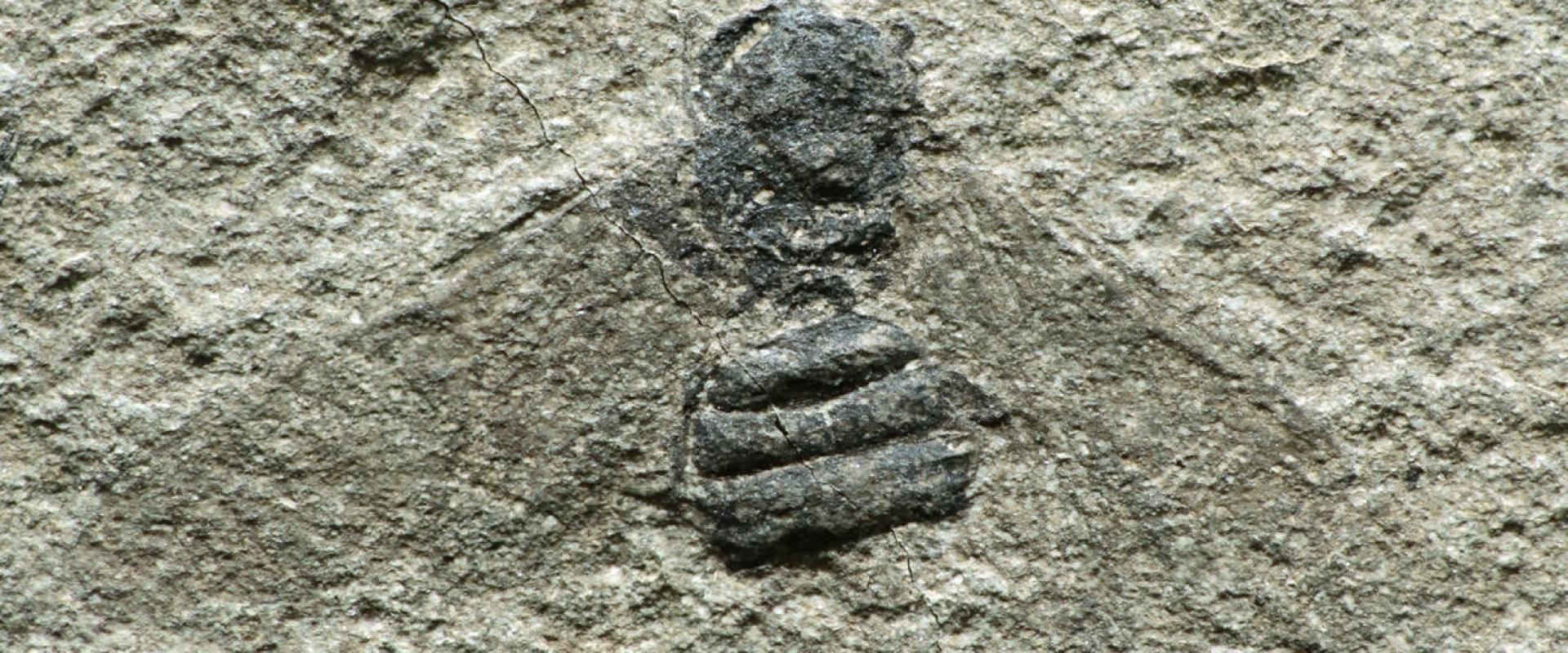
Radoboj has an old settlement history, but its international reputation began in the nineteenth century, when naturalists examined the rock layers uncovered by local sulphur mining. The marls contained exceptionally well-preserved fossils from the Miocene epoch, including insects, plants and fish, and the finds travelled to museums across Europe. The Radboa Museum, housed at Radoboj 34, presents this heritage together with the region's mining past and archaeological discoveries. It is a compact museum that suits families and anyone interested in geology, and it makes a rewarding first stop before heading into the hills.
The village itself is quiet and welcoming. Traditional houses with gardens line the lanes, and the Church of St. Martin is the main historic building. The Crucifix Shrine at Strahinje Radobojsko stands on the slope above the village, a modest landmark that hikers and cyclists often use as a goal for a short outing. Beyond it, the countryside opens into a patchwork of vineyards, orchards, meadows and small woods, with new views at each bend in the road. Hižu Vines is one of the places where visitors can learn about the winemaking traditions of Zagorje and taste local wines made from regional grapes.
Cultural life is quiet but steady. Strahinjčica Mountain is the natural focus of the area. The mountain, which also includes the peak known as Vrh Sušec, is covered mainly by forest and offers marked trails of different lengths. The Orhidejska Staza, or Orchid Trail, is the most notable walk, and in late spring it brings out wild orchids along the sunny slopes and edges of the woods. Birdwatchers can expect woodland species, and photographers will find wide views over the Zagorje hills from the upper sections. For a quieter and slightly mysterious outing, visitors can head into the valley known as Sanjiva Dolina, or Sleepy Hollow, a peaceful stretch of woodland. Jelenska Cave is a smaller natural attraction that adds variety, though it is best explored with local advice. The routes are generally modest in difficulty, so sturdy shoes and water are enough for most walks.
Food in Radoboj follows the Zagorje style: soups, roast meats, štrukli, homemade bread, strudels and sweet pastries, usually served with local wine. Guesthouses and farm kitchens in the area offer these dishes in generous portions, and village festivals bring music and traditional cooking to the calendar through the year. Local markets are good places to pick up honey, fruit and other regional products.
Getting to Radoboj is easy by road from Krapina and Zagreb, and public buses link the village with the surrounding towns. The distance from Krapina is only a few minutes by car, so Radoboj combines well with a visit to the Krapina Neanderthal Museum. Accommodation includes guesthouses, rural homestays and small hotels, ideal for a quiet stay of one or two nights.
Mid June to early September is the warmest period, with long days and green hillsides, which suits hiking and cycling. Late spring is especially attractive for orchids and fresh foliage, and autumn brings the grape harvest and colourful forests. Winter is calm, with short days but good light for photographs of the empty hills. Radoboj appeals to curious travellers, to anyone who likes authentic Croatian village life, and to travellers who want science, nature and village life in one small place.
Best time to visit
Mid June to early September offers warm weather, lush scenery, and ideal conditions for hiking, sightseeing, and enjoying local festivals and outdoor activities.
What to see in Radoboj
Our picks first.
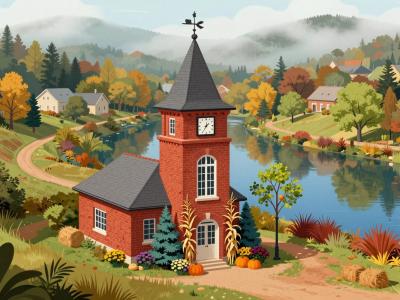
Sanjiva Dolina (Sleepy Hollow)
Historic valley known for natural beauty
Activities & Adventure · Natural Wonders
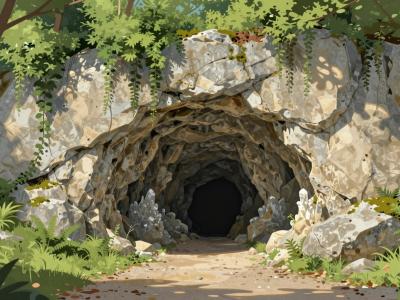
Jelenska Cave
Karst cave with rich fossil and mineral deposits
Natural Wonders · Caves
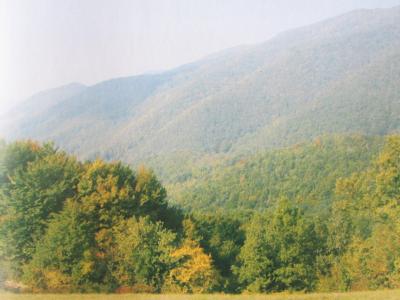
Orhidejska Staza (Strahinjčica)
Orchid-rich trails and panoramic mountain views
Activities & Adventure · Natural Wonders
Strahinjčica
Mountain peak with panoramic views near Radoboj
Activities & Adventure · Natural Wonders
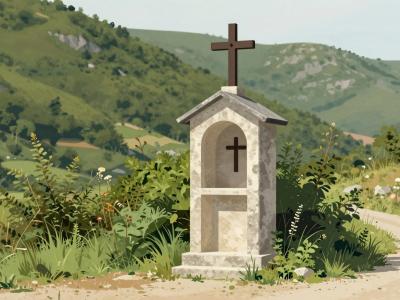
Crucifix Shrine at Strahinje Radobojsko
Scenic hiking crossroads with historic crucifix shrine
Cultural Experiences
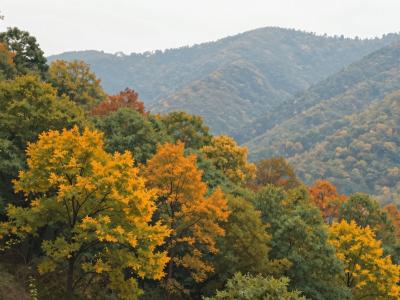
Vrh Sušec (Strahinjščica)
Scenic hiking peak in Strahinjščica range
Natural Wonders · Hiking Trails
Radoboj by interest
The same sights, grouped by what you came for.
Planning a visit to Radoboj
Good to know
- Currency
- EUR
- Language
- Croatian
Quick Facts
Book your stay
Questions people ask
More places in Zagorje
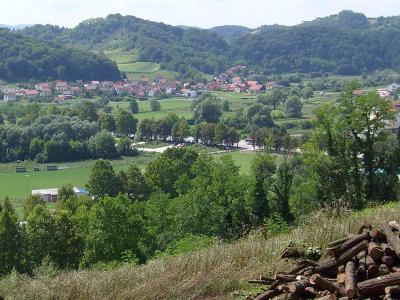
Zagorje
Krapinske Toplice
Zagorje spa village with thermal springs and wellness resorts
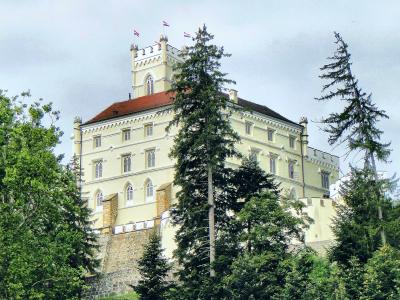
Zagorje
Trakošćan
Fairytale castle village amid forests and lakes
Zagorje
Marija Bistrica
Croatia’s largest Marian shrine in scenic Zagorje hills

Zagorje
Krapina
Neanderthal discovery town with museums and Zagorje hills