







- Where
- Rijeka, Kvarner
- Directions
- Directions
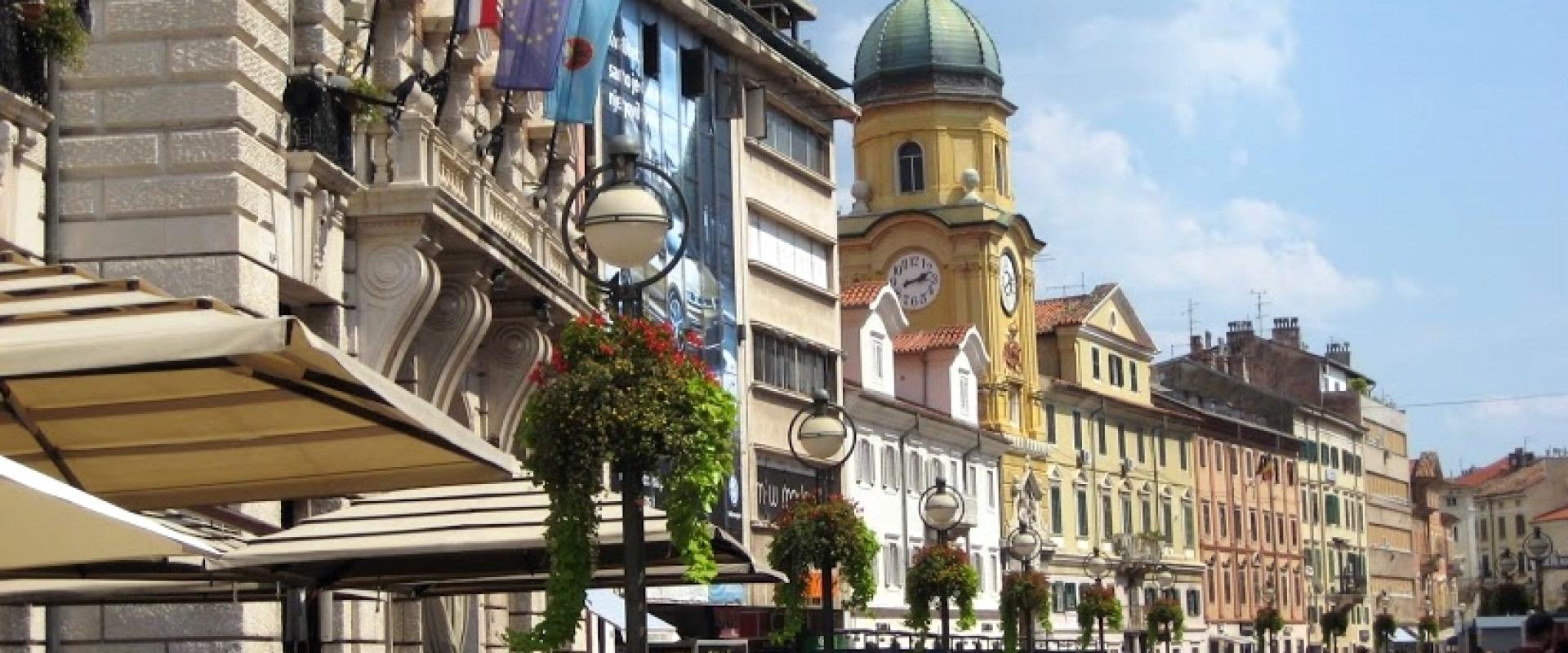
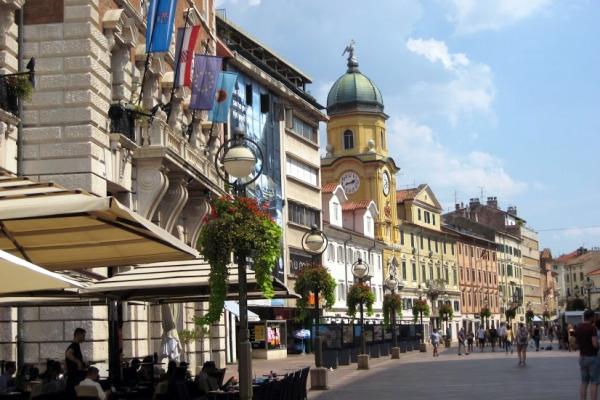
Korzo is the main promenade of Rijeka, the port city on the Kvarner Bay, and it is where the city’s daily life is most visible. The street runs through the centre of town as a pedestrian zone, lined with cafés, shops and handsome buildings, and it is the place where residents meet friends, take their evening walk and watch the world go by. For visitors it is the natural starting point for a day in Rijeka.
The street owes its appearance to the city’s nineteenth-century growth. Rijeka was the principal seaport of the Hungarian part of the Habsburg monarchy, and as trade and industry expanded, the old walled town was no longer enough. Originally the line of the coast was a gravel shore with simple buildings, and the sea reached close to the old walls. In the course of urban development the sea trench was filled in and the town walls were demolished, which opened up space for new streets and squares. On the reclaimed ground the city built palaces, banks, shipping offices and public buildings, giving Korzo its confident, urban face. It became the symbolic and social centre of Rijeka, much as the corso did in many Italian and Central European cities.
The architecture is the best reason to look up as you walk. The façades show a mixture of styles, from Classical and Historical designs to Secessional and Modernist buildings, reflecting changing fashions from the late nineteenth century onwards. Austro-Hungarian influence is strong, with ornate balconies, carved stonework and tall windows. At several points fountains and the city clock tower add focal points, and shop windows offer local specialities. Souvenir shops sell morčić jewellery, small figures of a dark-skinned head with a turban, which is a traditional symbol of Rijeka, as well as items linked to the torpedo, a weapon invented and first manufactured in the city in the nineteenth century and a source of local pride.
Korzo is also a year-round stage. Parades, carnival events, concerts and festivals pass along it, and Rijeka’s carnival procession is one of the biggest in the country. On ordinary days, the café terraces fill from mid-morning and stay busy into the night, and people-watching over a coffee is the classic way to spend an hour.
The street leads to many of the city’s sights. The City Market, the Cathedral of St. Vitus, the Maritime and History Museum of the Croatian Littoral, the Natural History Museum, the Museum of Modern and Contemporary Art and the Art Cinema Croatia are all within walking distance, and the Molo Longo breakwater and the stairway to Trsat Castle begin close by.
Korzo suits everyone, and there is nothing to pay. Evening is the liveliest time, while early morning shows the architecture without crowds.
Categories
More photos coming soon
Nearby Attractions
Other places to visit in Rijeka
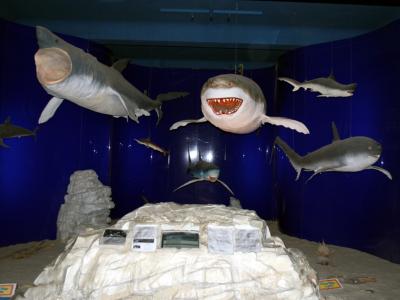
Natural History Museum Rijeka
Adriatic marine life and botanical garden exhibits
Cultural Experiences
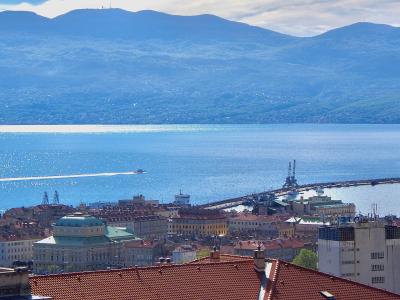
Molo Longo (Rijeka Breakwater)
Longest pier in Rijeka with historic lighthouse
Coastal & Maritime · Urban Exploration
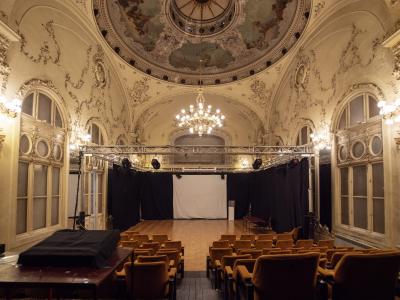
Art Cinema Croatia (Art-kino Croatia)
Historic Rijeka cinema showcasing art films
Cultural Experiences
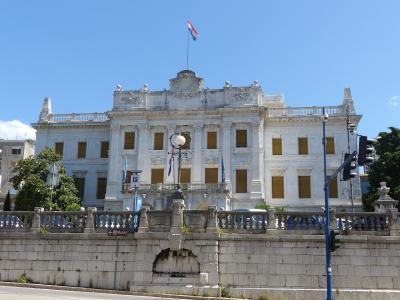
Maritime and History Museum of the Croatian Littoral
Maritime heritage and regional history in Rijeka
Cultural Experiences · History & Heritage
Questions people ask
Quick Facts
Best Time to Visit
Early July to mid-August offers hot weather, warm sea, and lively festivals; May, June, and September are ideal for sightseeing and outdoor activities.