







Maritime and History Museum of the Croatian Littoral
Maritime heritage and regional history in Rijeka
- Where
- Rijeka, Kvarner
- Directions
- Directions
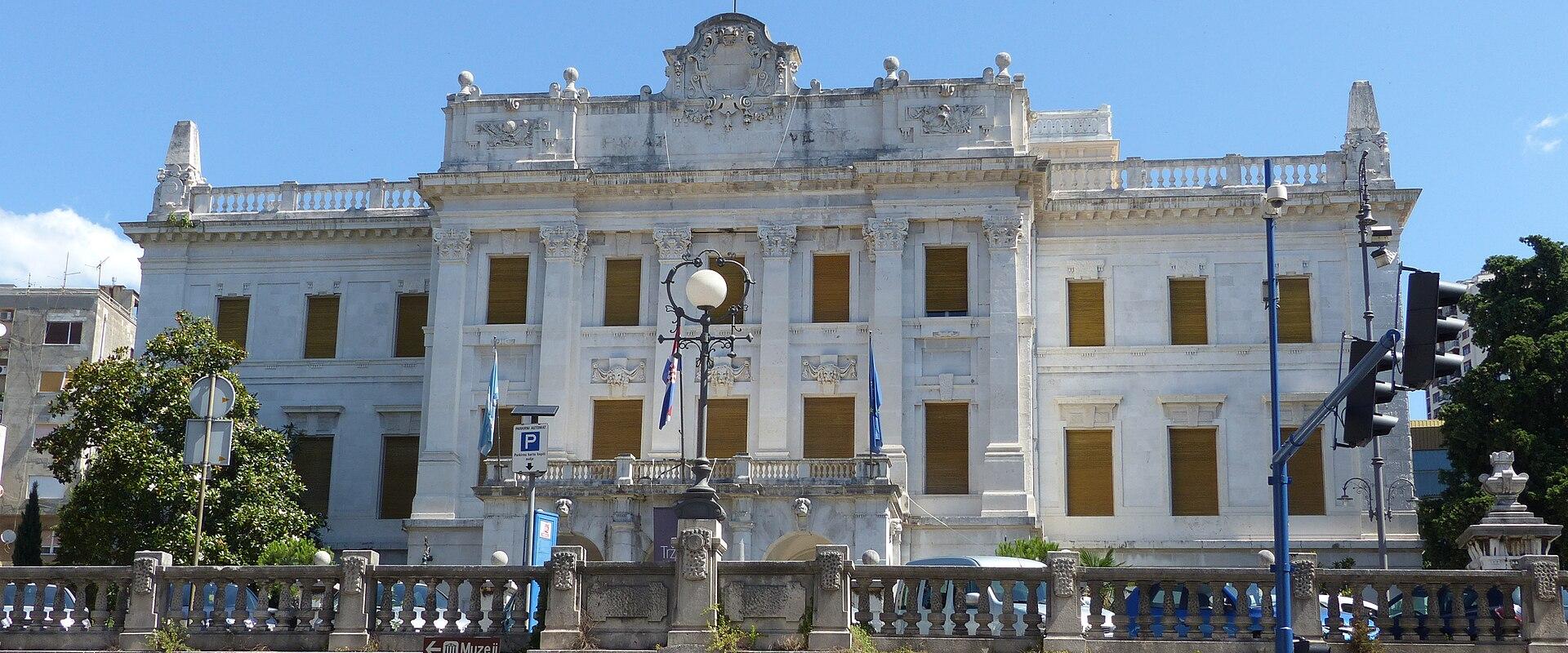
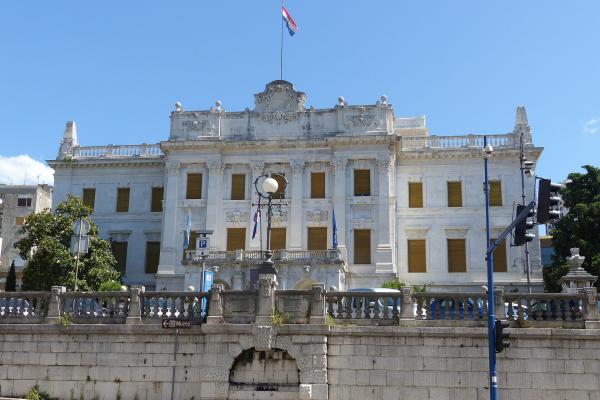
The Maritime and History Museum of the Croatian Littoral is the main museum of Rijeka, the largest port in Croatia, and it occupies a monumental building at the edge of the old town, the former Governor's Palace. The palace was built in the 1890s, when Rijeka, then known as Fiume, was the only seaport of the Hungarian half of the Austro-Hungarian monarchy, and the governor sent from Budapest needed a residence that reflected the power of the crown. The building was designed by the Hungarian architect Alajos Hauszmann, who also worked on major buildings in Budapest, and it stands in a park above the harbour, a large, stately structure with a prominent facade that dominates its surroundings.
The museum was founded in 1961 and moved into the palace, and it now covers the history of the city and the wider region of Primorje and Gorski Kotar, with particular attention to the sea. The permanent exhibitions are organised under several themes. One, called Sails of Kvarner, tells the story of seafaring on this coast, from the sailing ships of the nineteenth century to steamships and the modern merchant fleet, using ship models, navigational instruments, paintings, uniforms and documents. Another, called Traces of Time, presents the long history of the region through archaeological finds, from prehistory and the Roman period to the Middle Ages and the modern era, and a third deals with the war of the 1990s.
The museum also looks after the Lipa Pamti Memorial Centre, which commemorates the victims of a wartime massacre in the village of Lipa in 1944, and it runs an information point designed to make the collections accessible to visitors with different needs. Educational programmes for schools, temporary exhibitions and virtual displays make the museum an active place, and it often hosts events and lectures. The staff are used to answering questions, and the quality of the displays makes it a good introduction to the city, which does not always show its history openly.
Rijeka has an unusual character among Croatian cities. It is an industrial port rather than a resort, and its history is one of changing borders, with periods under the Habsburgs, Hungary, Italy and Yugoslavia, which have left a mix of architecture and cultures. A visit to the museum helps to explain this layered past. Nearby sights in the centre, such as the City Clock Tower, the Korzo, the cathedral, the market, the Molo Longo breakwater and the Peek and Poke computer museum, are all listed in this guide.
Check the opening hours, which vary by day and are longer on weekdays, and the ticket prices. Allow one to two hours. The museum suits history lovers, families and anyone who wants to understand Rijeka.
Categories
More photos coming soon
Nearby Attractions
Other places to visit in Rijeka
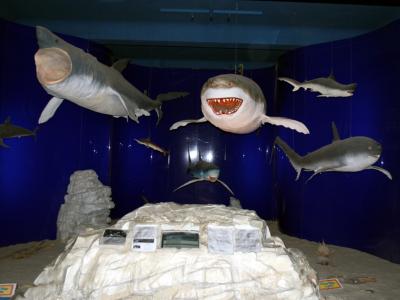
Natural History Museum Rijeka
Adriatic marine life and botanical garden exhibits
Cultural Experiences
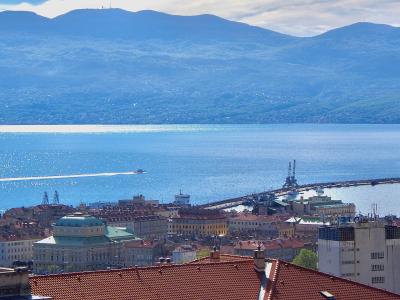
Molo Longo (Rijeka Breakwater)
Longest pier in Rijeka with historic lighthouse
Coastal & Maritime · Urban Exploration
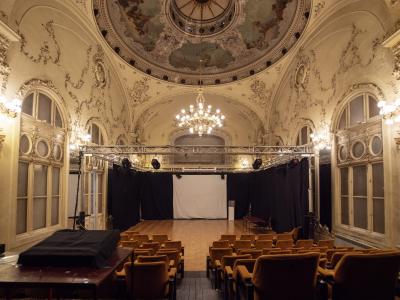
Art Cinema Croatia (Art-kino Croatia)
Historic Rijeka cinema showcasing art films
Cultural Experiences
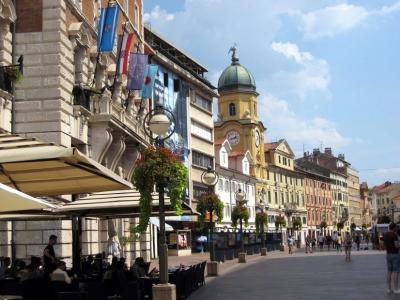
Korzo
Historic promenade blending Austro-Hungarian architecture
Cultural Experiences
Questions people ask
Quick Facts
Best Time to Visit
Early July to mid-August offers hot weather, warm sea, and lively festivals; May, June, and September are ideal for sightseeing and outdoor activities.