







- Admission
- 6 EUR
- Where
- Rijeka, Kvarner
- Directions
- Directions
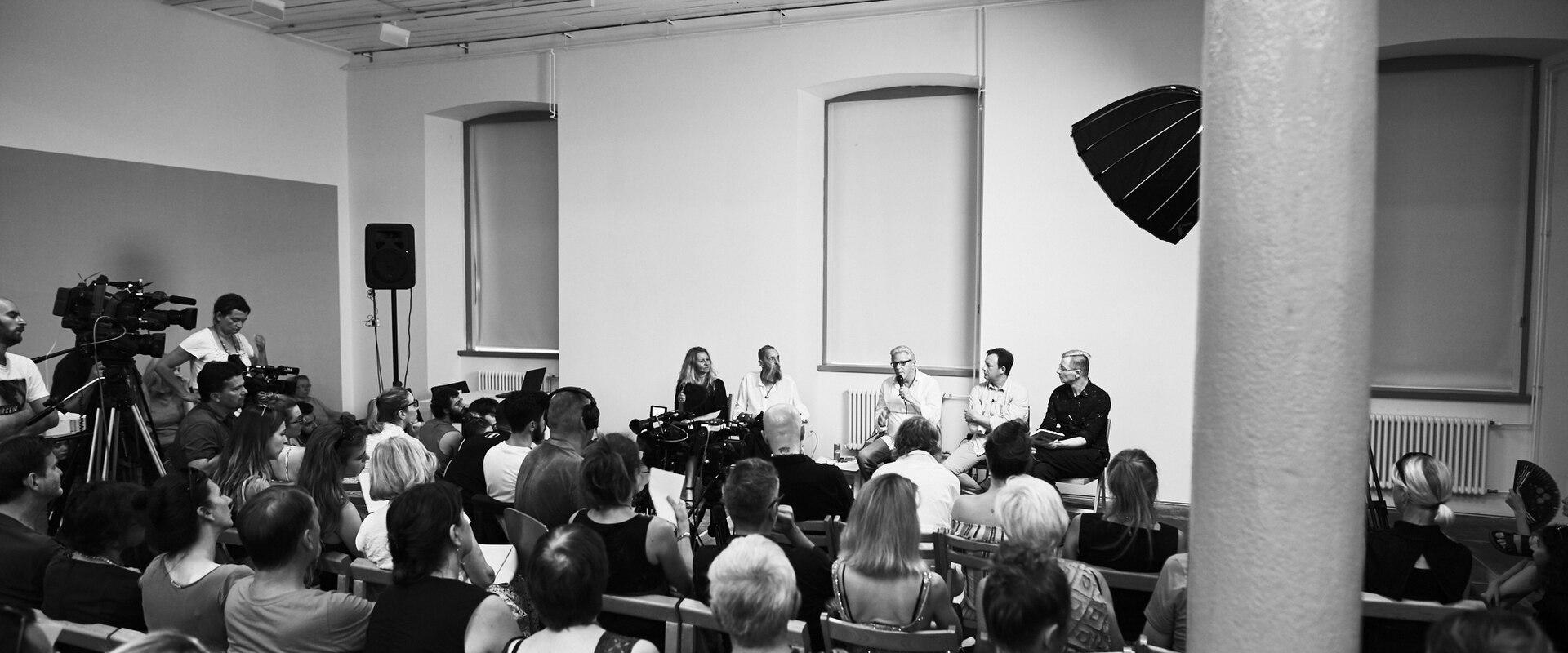
The Museum of Modern and Contemporary Art, known by its Croatian initials MMSU, is the main museum of modern art in Rijeka, the port city on the Kvarner Bay in northwestern Croatia. It collects and shows Croatian and international art of the twentieth and twenty-first centuries, and it is one of the central institutions of the cultural life of the Kvarner region, with a programme that follows the changing currents of contemporary art.
Rijeka is a good setting for such a museum. The city has a long history as a port and an industrial centre, and it has a tradition of cosmopolitan openness that comes from centuries of trade and migration, with Italian, Hungarian, Croatian and other influences meeting in its streets. After the Second World War, it became a significant centre for the visual arts in Yugoslavia, and its artists took part in the experimental and avant-garde movements that flourished in the former country from the 1950s to the 1970s, including abstraction, conceptual art and new media. The museum grew out of this environment and reflects it, which makes its collection a useful guide to the story of modern art along the Adriatic coast. In 2020 Rijeka was a European Capital of Culture, a year that brought new energy to its galleries, public spaces and former industrial buildings, and the museum has been part of that renewal.
What a visitor finds inside is a focused and varied programme of exhibitions. Shows may present the work of a single artist in a retrospective, examine a theme or period through works from several artists, or introduce newly made work by younger generations, and they usually mix painting, sculpture, drawing and photography with installation, video and other media. Because the programme changes regularly, no two visits are quite the same, and it is worth checking what is on in advance. The museum also keeps a permanent collection, from which selections are shown from time to time, and it carries out research, educational programmes and publishing, all of which tie it into the wider cultural community of the city.
The museum is a place for people who enjoy looking at art and thinking about how it responds to the world around it. It does not have the scale of a national museum, so a visit is manageable and unhurried, and many people combine it with other cultural sights in the city. Nearby are the Korzo promenade, the City Clock Tower, the Cathedral of St. Vitus, the Maritime and History Museum of the Croatian Littoral, the Natural History Museum, the Art Cinema Croatia and the Molo Longo breakwater, and Trsat Castle is reached by the stairway of Petar Kružić.
Practical details are worth noting. The museum has set opening hours, which vary between weekdays and weekends and include a closing day, and it closes on public holidays. Group visits can be arranged by appointment. Admission prices are modest, with reduced or free entry for certain groups such as students, children, pensioners and members of artists’ associations. Please note that the building is not wheelchair accessible, so visitors with mobility needs should contact the museum in advance Visitors can ask the secretary’s office about exhibitions. It suits art lovers and curious travellers, and a visit usually takes an hour or so.
Categories
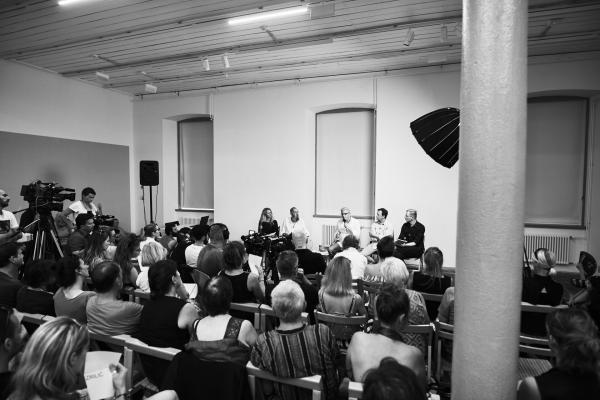
More photos coming soon
Admission Fees
- Admission
- 6 EUR
Hours and prices change, especially out of season. Check with the venue before you go.
Nearby Attractions
Other places to visit in Rijeka
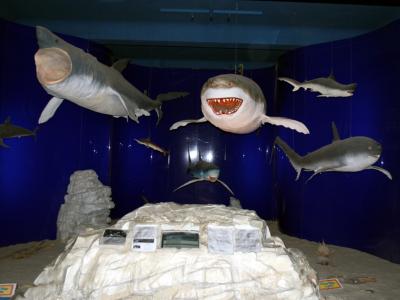
Natural History Museum Rijeka
Adriatic marine life and botanical garden exhibits
Cultural Experiences
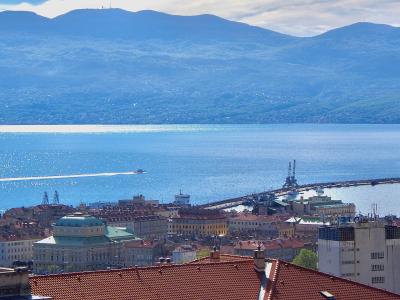
Molo Longo (Rijeka Breakwater)
Longest pier in Rijeka with historic lighthouse
Coastal & Maritime · Urban Exploration
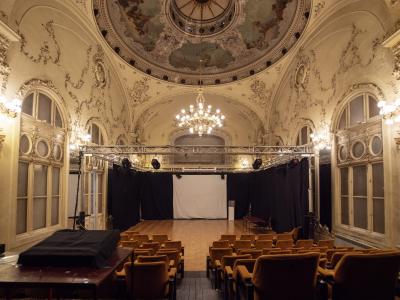
Art Cinema Croatia (Art-kino Croatia)
Historic Rijeka cinema showcasing art films
Cultural Experiences
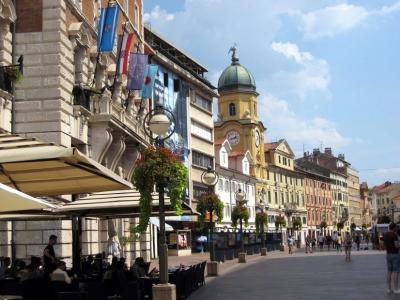
Korzo
Historic promenade blending Austro-Hungarian architecture
Cultural Experiences
Questions people ask
Quick Facts
Best Time to Visit
Early July to mid-August offers hot weather, warm sea, and lively festivals; May, June, and September are ideal for sightseeing and outdoor activities.