







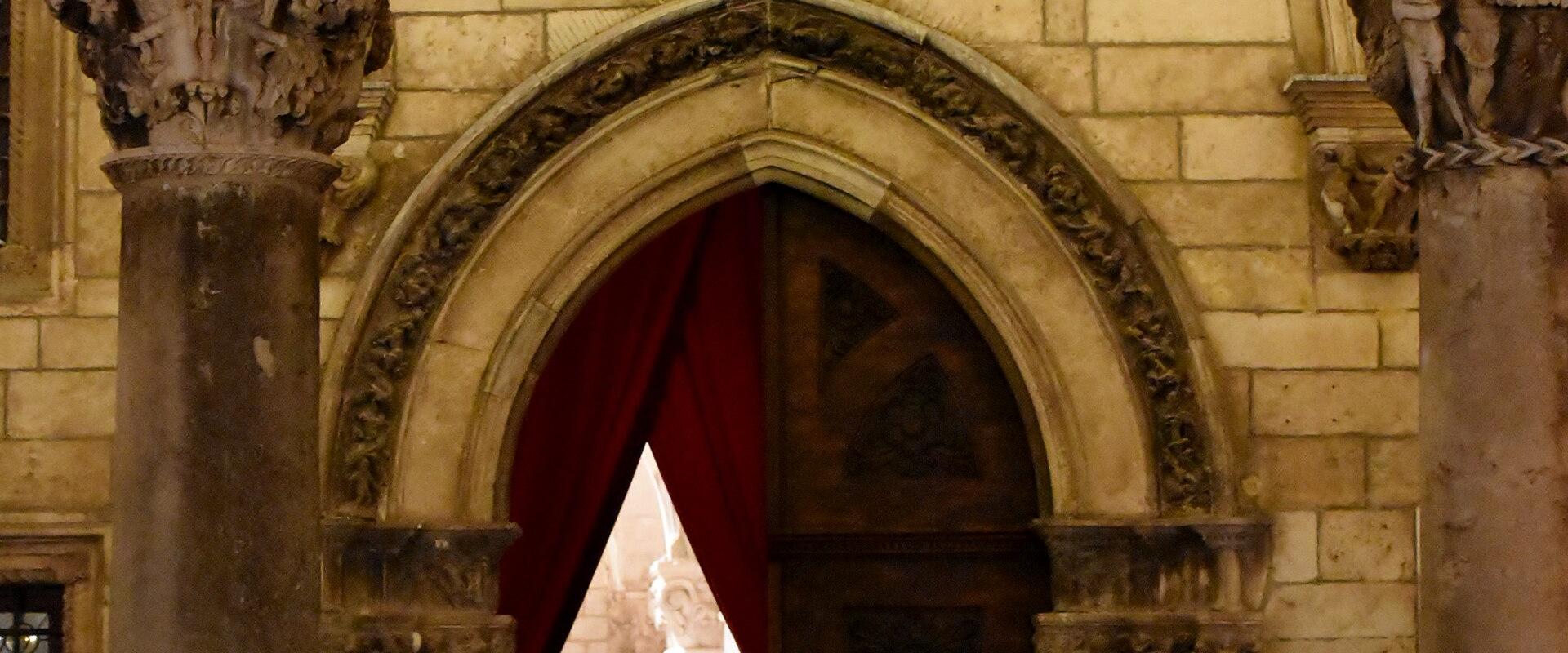
Rector's Palace in Dubrovnik
15th-century Gothic-Renaissance palace in Dubrovnik
- Where
- Dubrovnik, Dalmatia
- Directions
- Directions
Rector's Palace stands at the eastern end of Dubrovnik's main street, close to the cathedral and the Sponza Palace, and it was the seat of government of the Republic of Ragusa for centuries. The republic was governed by a rector who held office for only one month at a time, and during that term he lived and worked in the palace and was expected to stay within its walls except for ceremonial duties. The short mandate was a deliberate safeguard against any one man gathering too much power, and the building still reflects that culture of collective rule.
The palace as seen today is the product of several rebuilding phases. The original fortified residence was damaged by a gunpowder explosion in the first half of the fifteenth century and by later fires, and the work that followed gave it a combination of late Gothic and early Renaissance features. The street front is carried on an arcaded loggia with columns whose capitals are carved with figures and foliage, and the doorways and windows above show how local masons blended the two styles. Later alterations added Baroque touches, most visibly in the monumental staircase that rises from the inner courtyard.
The courtyard is the part most visitors remember. Its arcade, the stone stairs, a small fountain and a well create an enclosed, echoing space that is also used for concerts during the Dubrovnik summer festival, when the acoustics and the evening light make it a memorable venue. A memorial bust in the atrium honours Miho Pracat, a shipowner who left his fortune to the republic, a rare tribute in a state that discouraged personal monuments.
Inside, the palace houses the Cultural History Museum of Dubrovnik. The rooms hold furniture, paintings, coins, weights and measures, ceremonial costumes and documents that explain how the city-state ran its trade, courts and diplomacy. The ground floor once held offices and a prison, a reminder that the same building combined government, law and detention under one roof.
Rector's Palace suits anyone who wants to understand Dubrovnik beyond its walls and sea views. Allow an hour or so for a relaxed visit, and combine it with a walk along Stradun, a look inside Dubrovnik Cathedral and Treasury, and the walk up to Fort Lovrijenac or Minceta Tower to see how the defences protected a city whose wealth came from maritime trade. Visiting early or late in the day tends to be quieter, since cruise-ship crowds pass through the old town in the middle of the day.
More photos coming soon
Nearby Attractions
Other places to visit in Dubrovnik
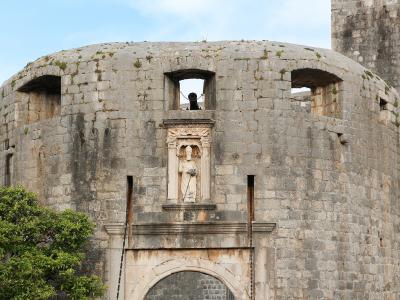
Pile Gate
Historic gateway to Dubrovnik’s Old Town and Game of Thro...
History & Heritage · City Walls
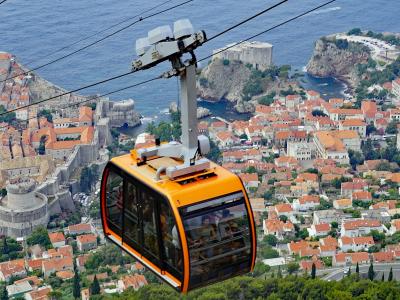
Dubrovnik Cable Car
Cable car to Mount Srd with panoramic Adriatic views
Activities & Adventure · Natural Wonders
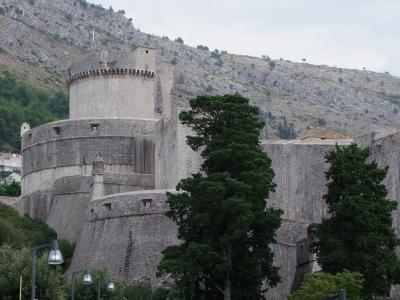
Minceta Tower
Highest tower on Dubrovnik’s ancient city walls
History & Heritage · Castles
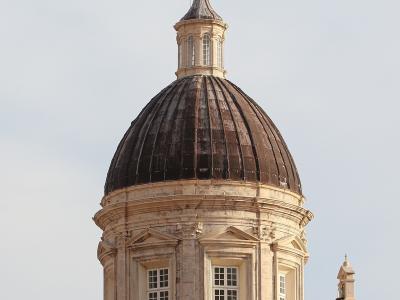
Dubrovnik Cathedral and Treasury
Baroque cathedral with 132 saint relics treasury
Cultural Experiences · History & Heritage
Questions people ask
Quick Facts
Best Time to Visit
May to June and September to October offer warm weather, fewer crowds, and ideal conditions for sightseeing, walking the walls, and enjoying the coast.