







- Where
- Rijeka, Kvarner
- Directions
- Directions
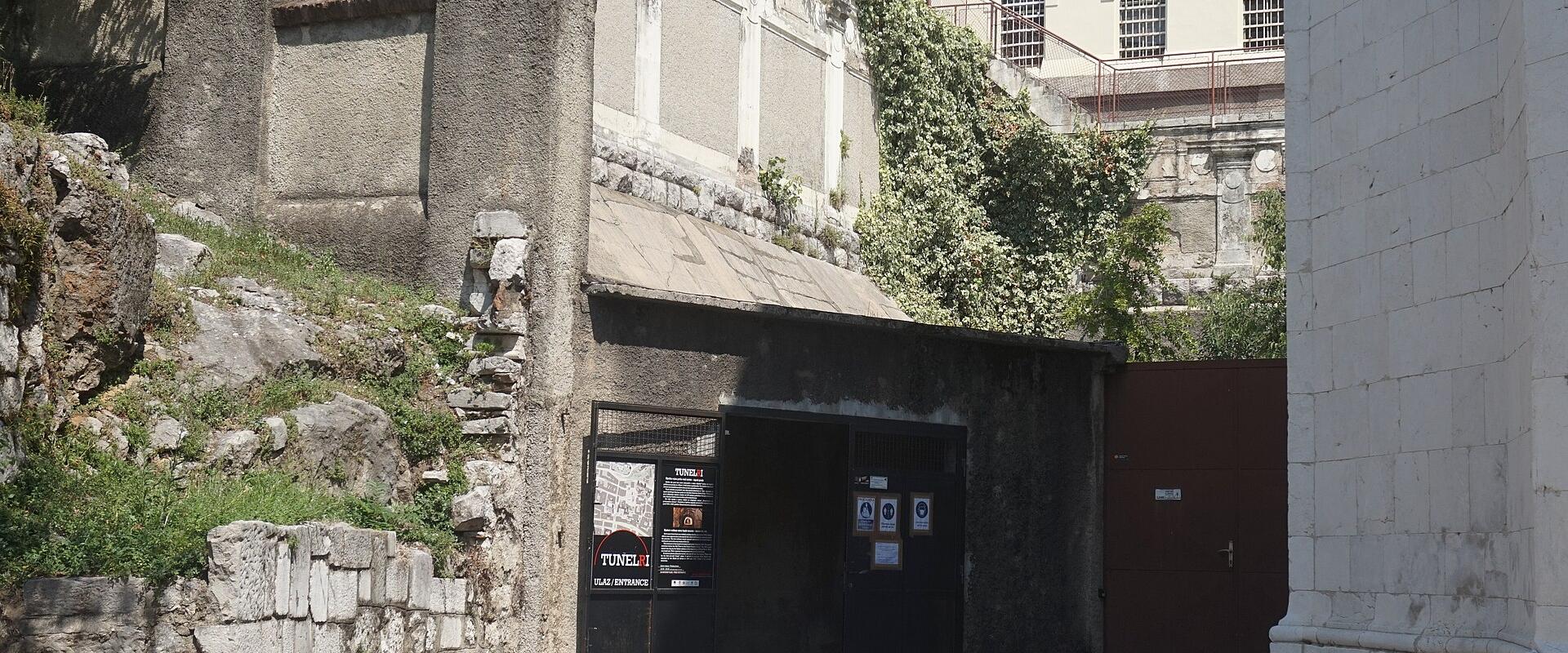
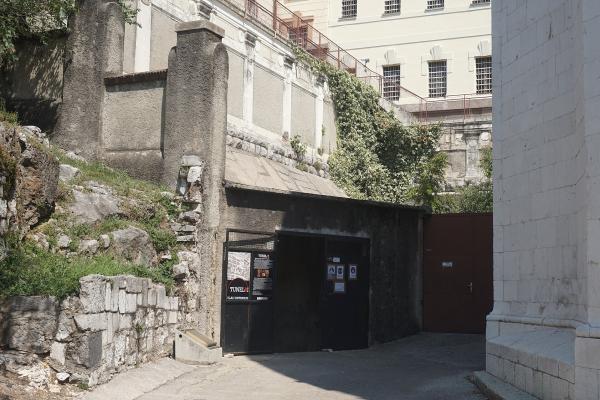
The Rijeka Tunnel is a road tunnel in Rijeka, the main port of Croatia, on the Kvarner Bay, in Primorje-Gorski Kotar County (Primorsko-goranska županija in Croatian). It is part of the road network that links the districts of the city and carries traffic through the steep terrain on which Rijeka is built. While it is not a tourist attraction in the usual sense, and visitors will mostly encounter it as part of a drive through the city, but it says something about how Rijeka is arranged and why tunnels matter there.
Rijeka’s geography is the key. The city occupies a narrow strip of flat land along the coast, squeezed between the sea and a steep wall of hills that rise rapidly behind it. The old centre, the port and the main railway line are all on the strip, and new districts have spread up the slopes of the hills, such as Trsat, Kozala and Sušak, and along the river Rječina. Roads in such a city must cross slopes and ravines, and in places the easiest or only way to move traffic is to go through the hill. Tunnels, bridges and viaducts therefore form an essential part of the infrastructure, and they allow vehicles to bypass the congested centre and move between districts and to the motorway network.
The Rijeka Tunnel provides a direct route for vehicles, helping to relieve congestion in the centre. The experience of using it is purely functional: you enter under a portal, drive through a lit bore with ventilation, signs and emergency exits, and emerge on the other side in a different part of the city. Like other modern tunnels, it is designed and maintained to meet safety standards, with regular inspection and equipment for fire and smoke control. Pedestrians cannot use the tunnel, and cyclists are not normally permitted, so visitors on foot will use the streets and stairways instead.
Rijeka is a city with plenty to see above ground. It has a long history as a port, first under the Habsburg monarchy and later under Italy and Yugoslavia, and its identity as a gateway to the Adriatic has shaped its architecture, from the Korzo, the main promenade, and the City Clock Tower to the Cathedral of St. Vitus, the Maritime and History Museum and the Museum of Modern and Contemporary Art. In 2020 Rijeka was a European Capital of Culture, which brought new life to the old industrial districts and added festivals, exhibitions and public art. Trsat Castle, reached by the stairway of Petar Kružić, the Molo Longo breakwater and the City Market are among the highlights.
For travellers arriving by car, the tunnel is simply a part of getting around, and it is wise to follow signs and satellite navigation, since the system of one-way streets and tunnels can be confusing. It suits drivers, and those who want to understand the city’s layout. Check traffic information before travelling at peak hours and in summer.
More photos coming soon
Nearby Attractions
Other places to visit in Rijeka
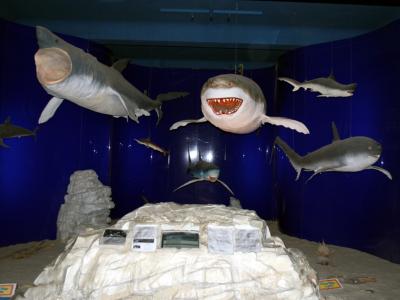
Natural History Museum Rijeka
Adriatic marine life and botanical garden exhibits
Cultural Experiences
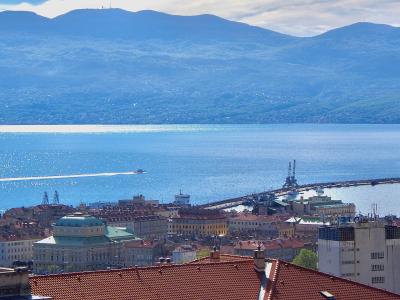
Molo Longo (Rijeka Breakwater)
Longest pier in Rijeka with historic lighthouse
Coastal & Maritime · Urban Exploration
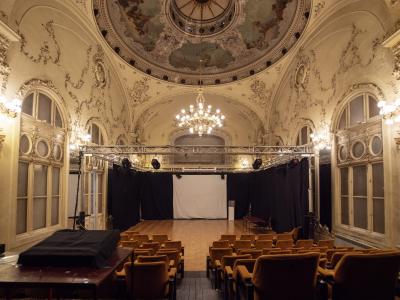
Art Cinema Croatia (Art-kino Croatia)
Historic Rijeka cinema showcasing art films
Cultural Experiences
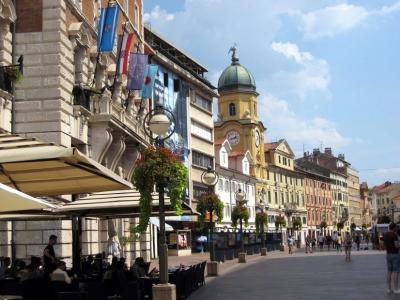
Korzo
Historic promenade blending Austro-Hungarian architecture
Cultural Experiences
Questions people ask
Quick Facts
Best Time to Visit
Early July to mid-August offers hot weather, warm sea, and lively festivals; May, June, and September are ideal for sightseeing and outdoor activities.