







Roman City of Cibalae
Roman city birthplace of emperors Valentinian I and Valens
- Where
- Vinkovci, Slavonia
- Directions
- Directions
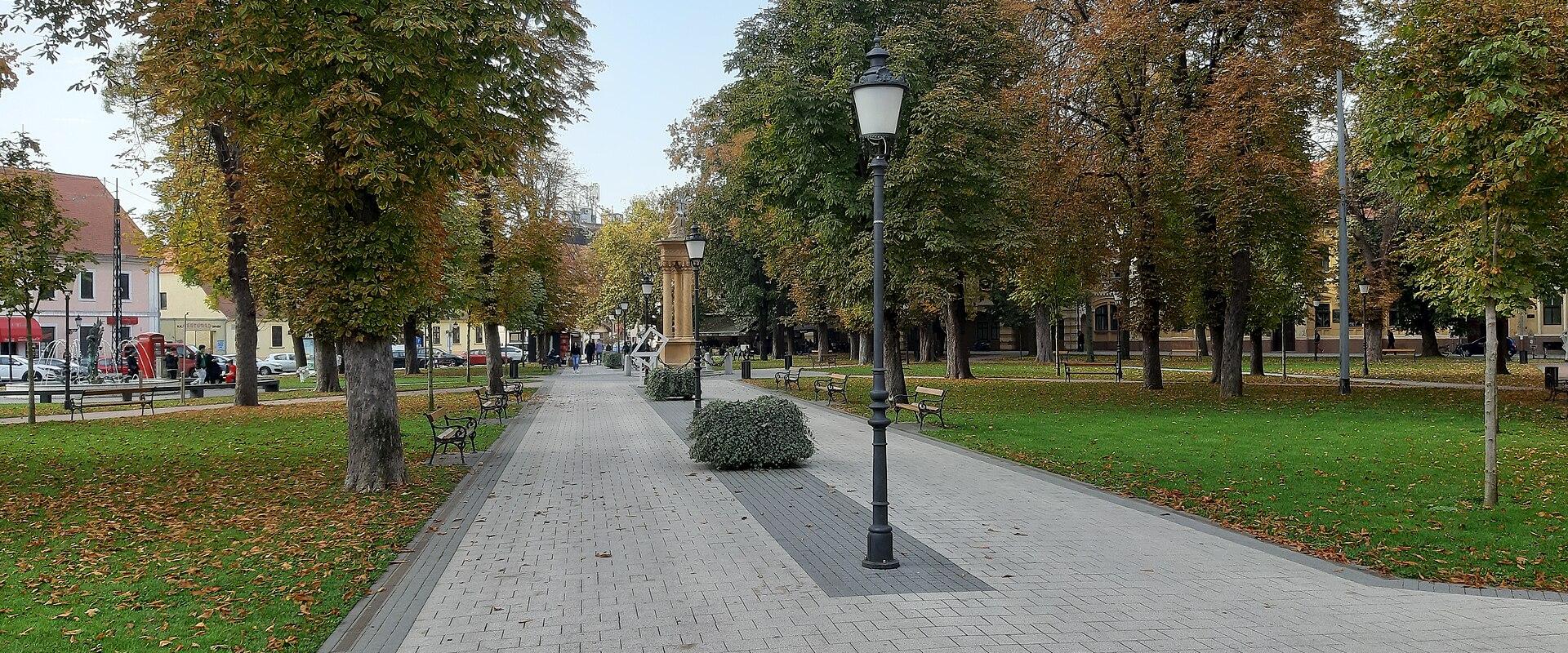
Cibalae was a Roman city in the Pannonian plain, and its remains lie beneath the modern town of Vinkovci, in the east of Croatia, in the fertile Slavonian lowland between the Sava and Drava rivers. Very little of it is visible on the surface, because the Roman streets and buildings are buried under later construction, but the story of the place is remarkable, and it can be followed in the town museum and in a number of archaeological finds around the centre. Vinkovci is also often described as one of the oldest continuously inhabited places in Europe, since settlement here goes back thousands of years to the Neolithic and the Bronze Age.
The Romans founded Cibalae in the first century of the common era, in the territory of the local tribes, as part of the conquest of Pannonia, and it grew into a significant town on the road that linked the Adriatic with the Danube frontier. It became a municipium and later a colony, with the status that came with those ranks, and it had walls, a forum, workshops, houses and a cemetery. In 316 it was the site of a battle in which the emperor Constantine defeated his rival Licinius, a clash that helped to decide the future of the empire. The town is best known as the birthplace of two emperors, the brothers Valentinian I and Valens, who were born here in the early fourth century and became rulers of the western and eastern halves of the empire. That an obscure provincial town produced two emperors is a measure of the importance of the Danubian provinces in the later empire, since many of the soldiers and generals who ran Rome came from this region.
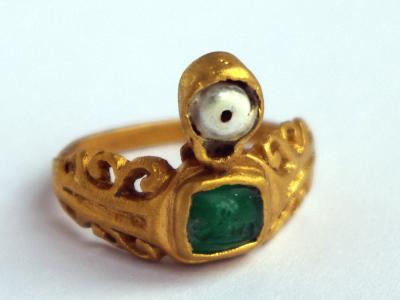
Today, the best place to see the Roman past is the municipal museum of Vinkovci, which displays objects from the town and its surroundings, including pottery, coins, inscriptions, jewellery and architectural fragments, together with finds from the prehistoric periods that made the region famous, in particular the Vučedol culture, whose painted pottery, including the well-known Vučedol dove, is among the treasures of Croatian archaeology. A section of the old Roman walls and other remains has been exposed and can be seen in the town. Opening times vary, so check before you go.
Vinkovci celebrates its Roman heritage with festivals, and in summer, there are events with reenactments, games and workshops that bring the past to life, as well as food and drink. The town also hosts a popular autumn festival of folk culture and music, so it is worth checking the calendar before you travel.
Plan about an hour in the museum and an hour in the town. The visit suits history enthusiasts, families and anyone curious about the Roman emperors who came from Croatia. A sports club listed in this guide is not related to the Roman story, and the real interest lies in the museum and the layers of the past.
Categories
More photos coming soon
Nearby Attractions
Other places to visit in Vinkovci
Gradski muzej Vinkovci
Museum of 8,300 years of Vinkovci history
Cultural Experiences · History & Heritage
Sv. Euzebije i Polion
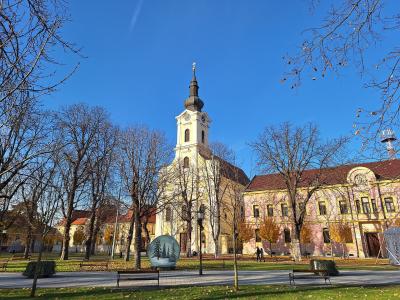
18th-century church honoring Vinkovci's martyrs
History & Heritage · Historic Churches
Kinezis Sports Club
Top-rated sports and wellness club in Vinkovci
Activities & Adventure
Questions people ask
Quick Facts
Best Time to Visit
April to October offers mild to warm weather, lively festivals, and ideal conditions for sightseeing, riverside walks, and exploring Slavonian culture.