







Sokolac Castle
15th-century Frankopan fortress with chapel ruins
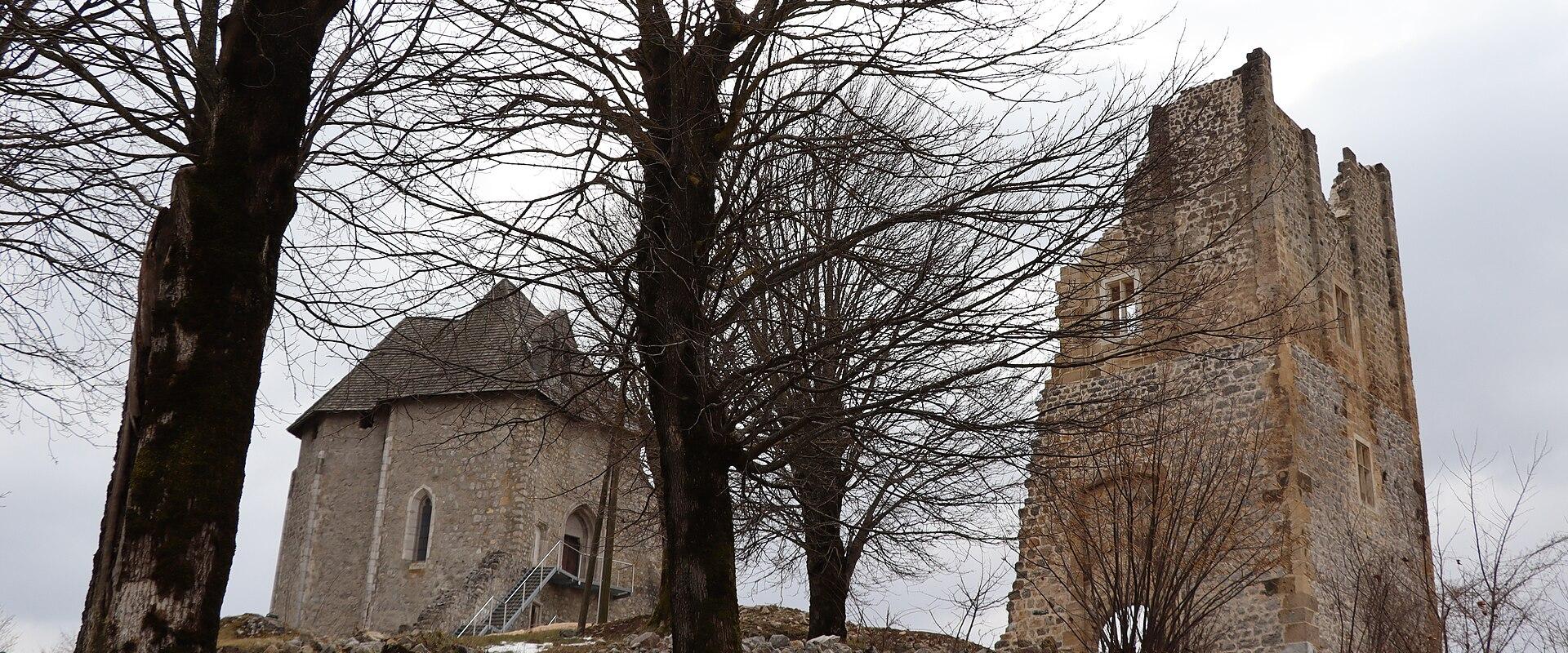
Sokolac Castle stands on a small hill at Brinje, a town in the Lika region of Croatia, in the valley between the Velebit and Kapela mountains. It is a medieval fortress of the Frankopan family, partly in ruins but undergoing repair, and it gives visitors a taste of the history of a region that was once a frontier between Christian and Ottoman lands.
The castle was built in the early fifteenth century by the Frankopans, the powerful noble family who held large territories along the Adriatic coast and in the interior and who are known as the Dukes of Krk, after the island where the family originated. Brinje lay on an important route between the inland plains and the coast at Senj, and Sokolac, whose name is connected with the Croatian word for falcon, controlled it from its hilltop. In the fifteenth and sixteenth centuries it was a centre of political, commercial and cultural life in the area, and when the Ottoman armies pushed into Croatia, it became a military stronghold against the Turkish invaders. According to tradition, it resisted repeated attacks and was never taken, an achievement that earned it a reputation as an invincible fortress.
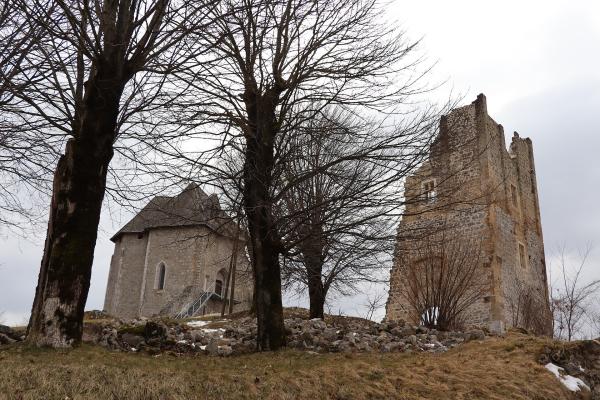
Today the visitor finds a partly ruined complex, with the most significant structures preserved and accessible. The imposing entrance tower is a highlight, and beside it stands the two-storey chapel of the Holy Trinity, a charming building with an octagonal nave and Gothic elements, as well as altars in the Mannerist style that reflect the taste and wealth of the Frankopan family. The chapel houses a permanent exhibition, The Noble Town of Sokolac, which tells the story of the castle and of the Frankopans in the region. The exhibition adds context to the stones, explaining how the castle functioned and who lived and worked there.
The walk up from the parking area is short, a gentle climb that offers some exercise and wide views over the Lika landscape, with its fields, villages and the wall of Velebit on the horizon. Visitors typically spend less than an hour on the site, enjoying the quiet and the setting, and photographers like the contrast of weathered walls and green hillside. Because repairs are in progress, some areas may be fenced off, and visitors should follow signs and take care on uneven ground.
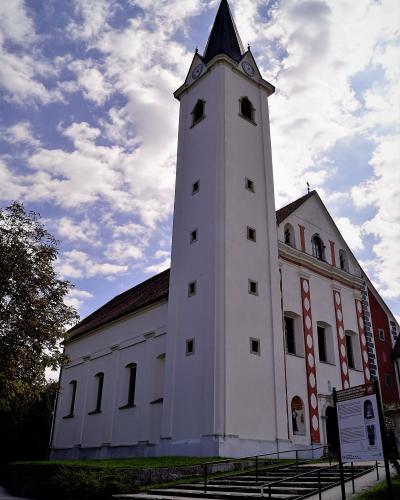
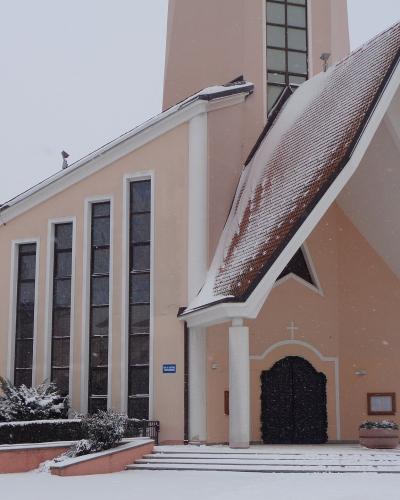
In the town, the parish church of the Assumption and the church of St. Anthony of Padua are also worth a look, and the road from Brinje to Senj and the coast makes a scenic drive. Opening hours and admission fees are not widely published, so ask locally or at the town office. One of Croatia’s lesser-known fortresses, the castle suits history lovers, families and travellers on the road between Zagreb and the coast, and spring and autumn are the best seasons.
Categories
More photos coming soon
Nearby Attractions
Other places to visit in Brinje
Frequently Asked Questions
Quick Facts
Best Time to Visit
Late June to late August offers warm weather, lush scenery, and lively festivals; spring and early autumn are ideal for hiking, sightseeing, and castle tours.