







- Where
- Dubrovnik, Dalmatia
- Directions
- Directions
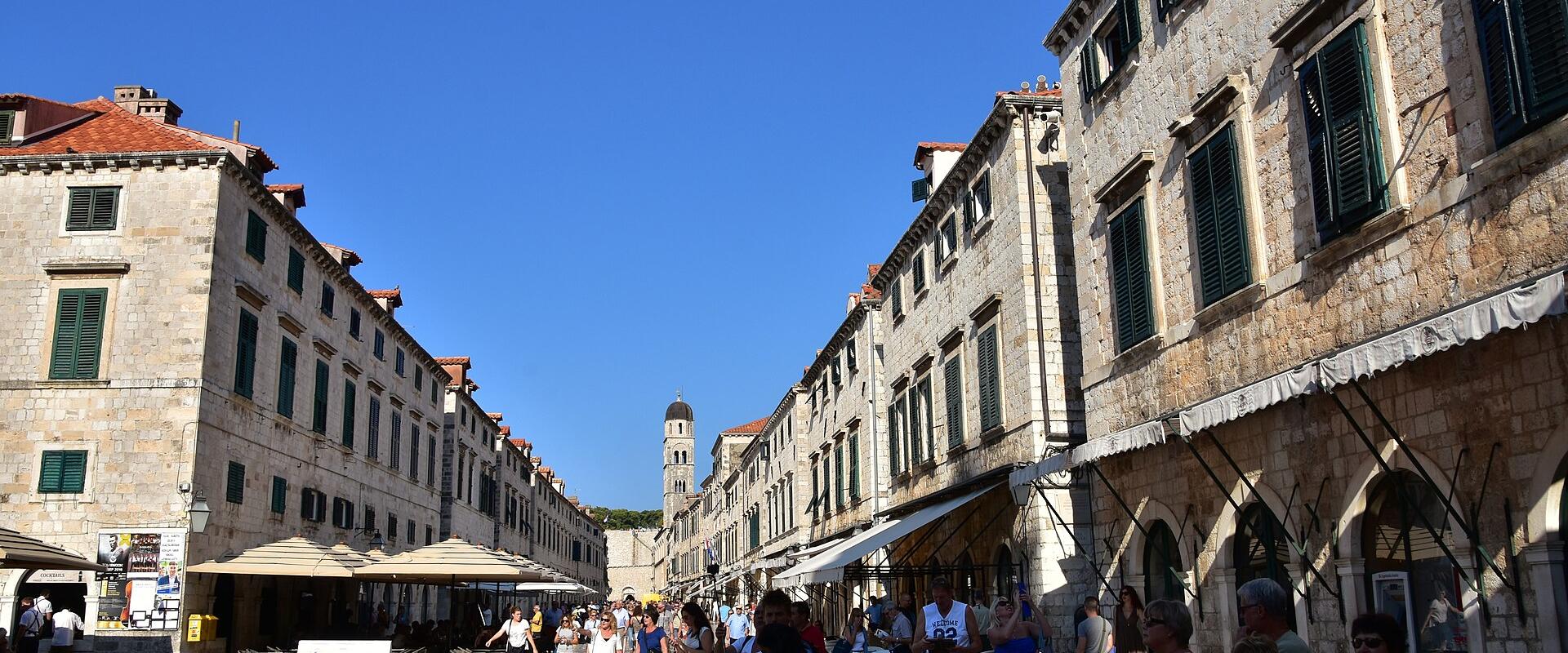
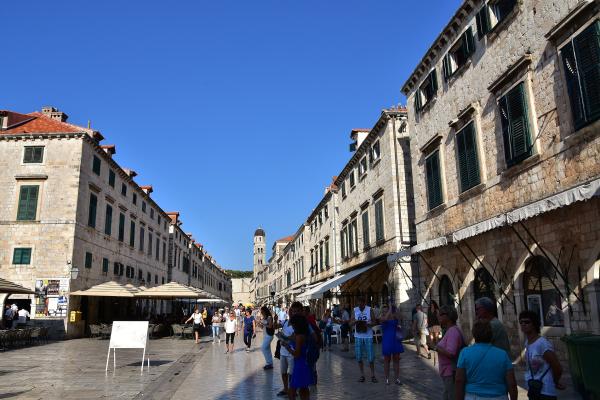
Stradun, also called Placa, is the main street of the Old Town of Dubrovnik, and it is one of the best-known streets in Croatia. It runs for about three hundred metres, in a straight line from the Pile Gate at the western end to the Ploče Gate at the east, and it is paved with smooth, pale limestone that has been polished by centuries of footsteps until it glows in the sun and reflects the lights at night. The street is lined with uniform stone buildings of three or four floors, with shops and cafés at street level and apartments above, and its harmonious look is the result of a rebuilding that followed a disaster. In 1667, a powerful earthquake destroyed much of Dubrovnik, and the republic rebuilt the main street to a regular plan, with houses of the same height and design.
The origins of Stradun go back much further. According to the traditional account, the area was once a narrow channel of water separating two early settlements, a Latin one on a rocky island and a Slavic one on the mainland shore. In the 11th and 12th centuries, the channel was filled in, and the two communities merged into a single town, with the street running along the former waterway. The Republic of Dubrovnik, which kept its independence for centuries as a trading and diplomatic state, made it the centre of civic life, and it remains so today. The old city was inscribed on the UNESCO World Heritage List in 1979.
At the western end, near the Pile Gate, stands the Large Fountain of Onofrio, a domed fountain built in the 15th century as part of the city's water supply, and it is a popular meeting place and a good spot to refresh yourself on a hot day. Along the street, side lanes climb stone steps toward the heights, with quiet corners, small restaurants and washing hung between the houses, which give a glimpse of daily life in the old town. At the eastern end, the street opens into Luža Square, with the Sponza Palace, the Bell Tower and the column of Orlando. The Rector's Palace, the Cathedral and its Treasury, Minčeta Tower on the walls, Fort Lovrijenac and the cable car to Mount Srđ are all close.
Stradun is the stage for the city's main events, from the Dubrovnik Summer Festival to processions, concerts and the feast of St. Blaise, the patron saint. There are no admission fees or opening times, and you can walk it day or night. It is busiest in the middle of the day in summer, when cruise passengers arrive, so the early morning and late evening offer the best chance to enjoy it quietly.
The street suits everyone who visits Dubrovnik. Wear comfortable shoes with grip, since the polished stone can be slippery when wet, and allow time to wander into the side streets.
More photos coming soon
Nearby Attractions
Other places to visit in Dubrovnik
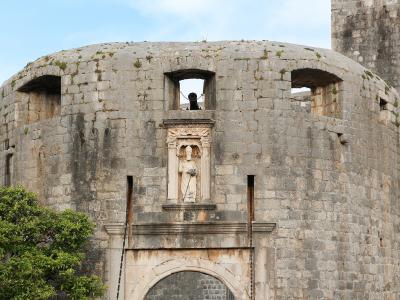
Pile Gate
Historic gateway to Dubrovnik’s Old Town and Game of Thro...
History & Heritage · City Walls
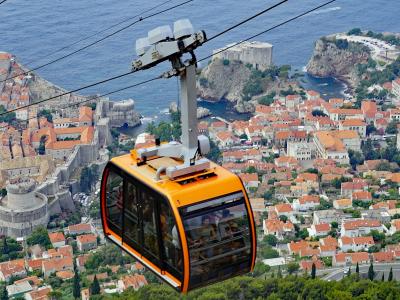
Dubrovnik Cable Car
Cable car to Mount Srd with panoramic Adriatic views
Activities & Adventure · Natural Wonders
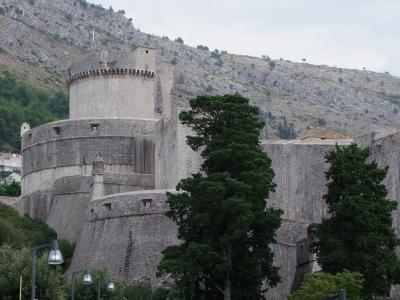
Minceta Tower
Highest tower on Dubrovnik’s ancient city walls
History & Heritage · Castles
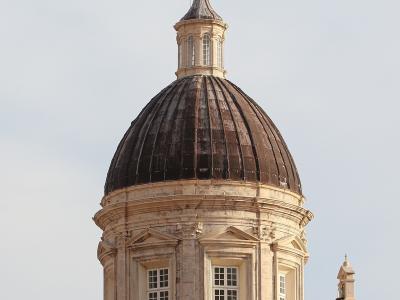
Dubrovnik Cathedral and Treasury
Baroque cathedral with 132 saint relics treasury
Cultural Experiences · History & Heritage
Questions people ask
Quick Facts
Best Time to Visit
May to June and September to October offer warm weather, fewer crowds, and ideal conditions for sightseeing, walking the walls, and enjoying the coast.