







- Where
- Bale, Istria
- Directions
- Directions
Valle d’Istria is the Italian name for Bale, a small hill town in western Istria, in Croatia, about twelve kilometres from the Adriatic Sea coast, and the phrase is widely used on signs and in tourist material, because Bale is officially bilingual. The town sits on a low hill among olive groves and fields, a short drive from Rovinj, and it has built a reputation as a quiet, creative, well-preserved place with some of the best olive oil in the region.
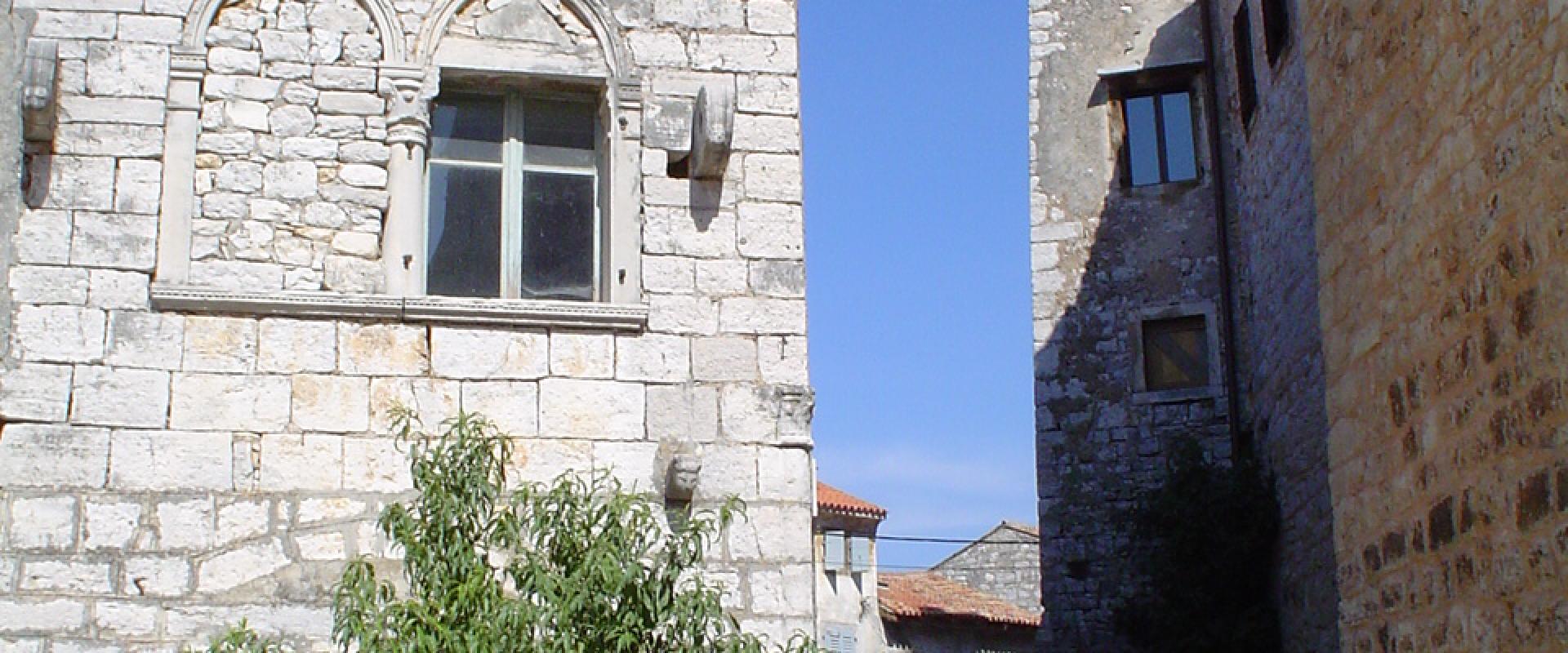
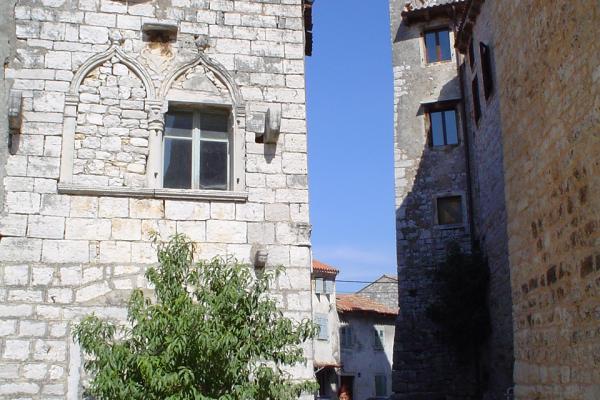
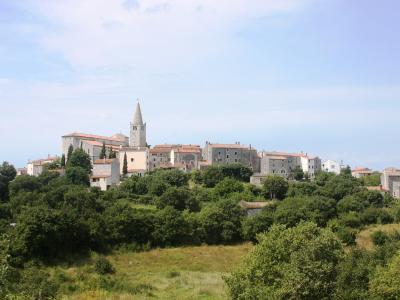
The town’s setting is its first attraction. Bale is perched on a hilltop, which gives it wide views over the Istrian countryside, a gently rolling landscape of olive groves, vineyards and red earth, and, on clear days, toward the sea. The medieval core is compact and well preserved, with narrow stone streets, small squares and tall houses that reflect centuries of Venetian rule. The most important building is the fortified house of the Soardo-Bembo family, and Tomaso Bembo Square forms the centre of life. The stone is warm and honey-coloured in the evening light, and sunsets over the plain are said to be among the best in Istria. Artists and writers have long been drawn to the quiet charm of the town, and it has an artistic atmosphere.
Culture is part of life in Bale. In summer the town hosts the Last Minute Open Jazz Festival, which draws musicians and audiences to its squares and courtyards, and exhibitions and events take place in venues such as Mali Bembo and the Theater Fort Forno. The programme changes from year to year, but the mood is relaxed and informal. Local taverns serve traditional Istrian cuisine, with homemade pasta, truffles, cured meats and wine, and the region is particularly renowned for its olive oil, which has received international recognition for quality. A visit to an olive mill or tasting room, to see how the oil is pressed and to taste the peppery fresh oil, is one of the most rewarding things to do.
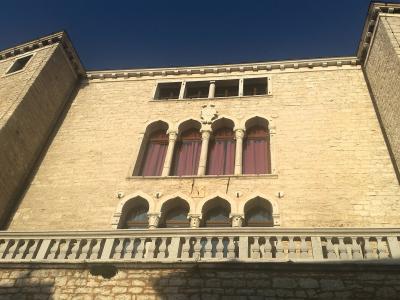
For beach activities, Bale offers access to nearby shores. San Polo, about four kilometres long, and Colone, about two kilometres, are pebble and rock beaches typical of the Istrian coast, with clear water and pine trees, and they are reached by a tourist train that runs free of charge between the town and the beaches. The same service goes to Paleo Park, a prehistoric park with models of dinosaurs that appeals to children, so visitors can explore without a car. Visitors will also find the Church of St. Mary and the church of St. Julian, and the Castle of Soardo-Bembo, the main historic monument.
The experience of Valle d’Istria is one of a slow pace of life, combining history, nature and food. It suits couples, families and anyone who wants a peaceful retreat in Istria, and spring and autumn, when the olive harvest is under way, are good seasons.
Categories
More photos coming soon
Nearby Attractions
Other places to visit in Bale
Castle of Soardo-Bembo
16th-century Gothic-Renaissance castle in Bale
History & Heritage · Castles
St. Mary Magdalene Church
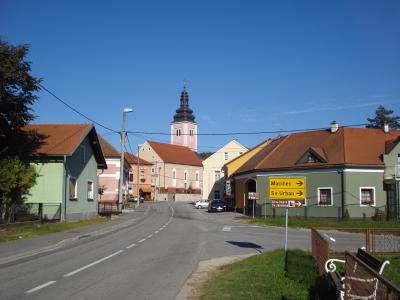
Late Gothic monastery with Venetian polyptych altar
Cultural Experiences · History & Heritage
Church of St. Julian
Historic church honoring Bale’s patron saint
History & Heritage · Historic Churches
St. Julian's Church
Church honoring St. Julian, patron of Bale since 1477
Cultural Experiences
Questions people ask
Quick Facts
Best Time to Visit
May to September offers warm weather, lush scenery, and ideal conditions for sightseeing, hiking, and enjoying local festivals and outdoor activities.