







- Where
- Batina, Baranja
- Directions
- Directions
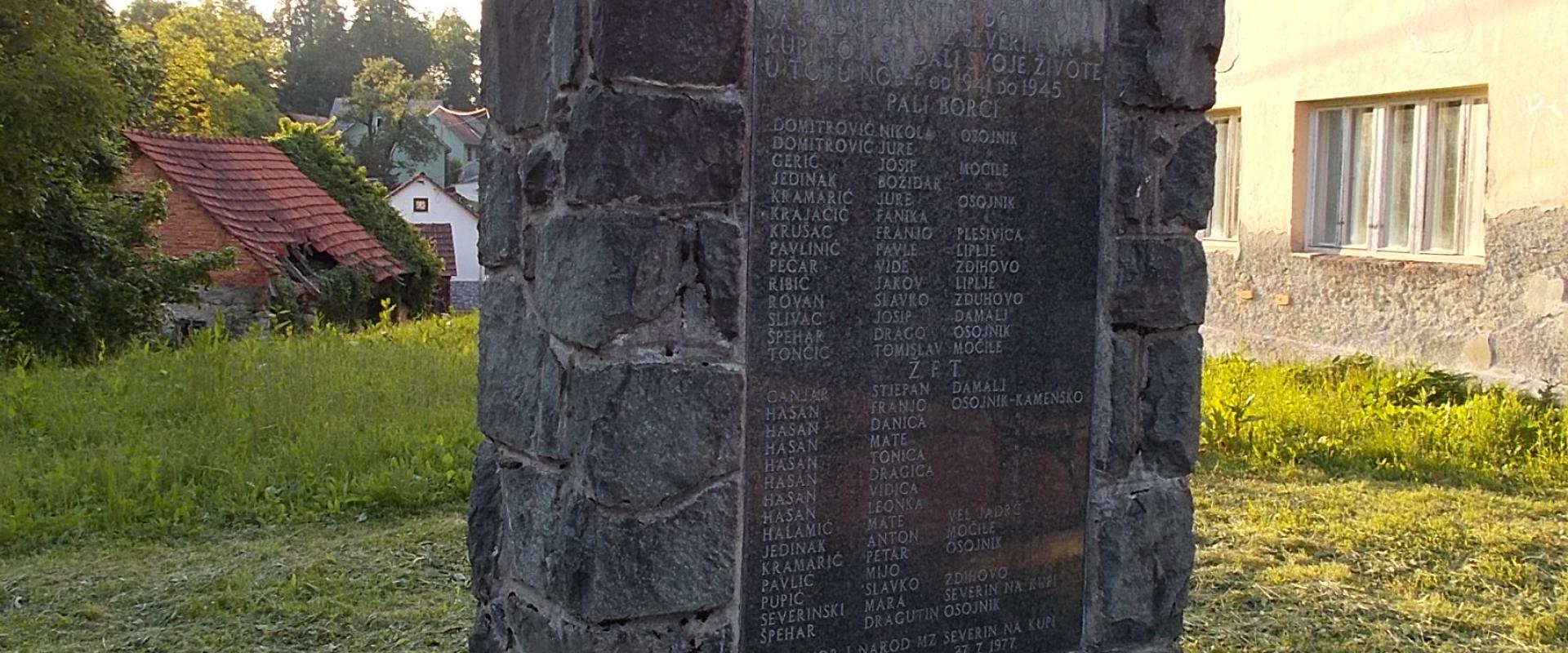
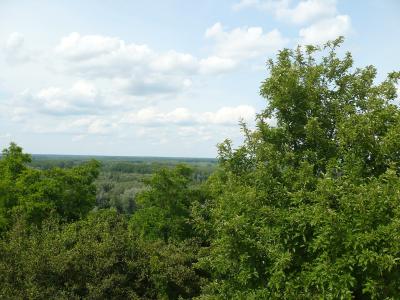
The Victory Memorial in Batina, in Croatian Spomenik pobjedi, is a large monument on a rise above the Danube in the far north-east of Croatia, in the Baranja region, close to where the borders of Croatia, Serbia and Hungary meet. The monument stands on a loess bluff over the river, and from its base the view stretches over the wide, slow Danube, the plain beyond it and the villages on the opposite bank. It is one of the most important monuments of the Second World War in Croatia and a striking example of the monumental art of the former Yugoslavia.
It commemorates the Battle of Batina, fought in November 1944, when units of the Yugoslav Partisan army and the Soviet Red Army crossed the Danube here and fought German and allied forces for the bridgehead on the right bank. The fighting lasted about two weeks, with heavy losses on both sides, and the crossing at Batina was an important step in the advance of the Red Army and the Partisans toward the north and west. After the war, the site was chosen for a memorial to the fallen, and the monument was unveiled in the late 1940s.
The monument is the work of Antun Augustinčić, one of the best-known Croatian sculptors of the twentieth century, who is also remembered for the large statue Peace that stands before the United Nations headquarters in New York. At Batina he created a tall column with sculptural groups on a high base, in the heroic realist style typical of commemorative art of the period. The sculpture is monumental in scale, designed to be seen from far away across the plain, and approaching it along the path from the village gives a sense of its size. The site also includes a memorial house connected with the battle and a small museum with photographs, weapons and documents that explain the course of the fighting.
The setting is calm and quiet today, and the viewpoint gives one of the best panoramas of the Danube in Croatia. Batina is a small village with wine cellars and bars that have terraces overlooking the river, where you can sample local wines and relax after the visit. The area is known for its vineyards on the loess slopes, and the wider region of Baranja has a hospitable tradition of food and drink, including spicy fish stew and kulen sausage.
A visit takes less than an hour, and it works well with a stop at the wine bars and a short walk through the village. Check opening times of the museum before you go. The memorial suits history enthusiasts, those interested in sculpture and monuments, and visitors touring the Danube and Baranja areas.
Categories
More photos coming soon
Nearby Attractions
Other places to visit in Batina
Questions people ask
Quick Facts
Best Time to Visit
May to June and September to October offer pleasant weather, lush scenery, and ideal conditions for sightseeing, hiking, and enjoying local festivals and river views.