







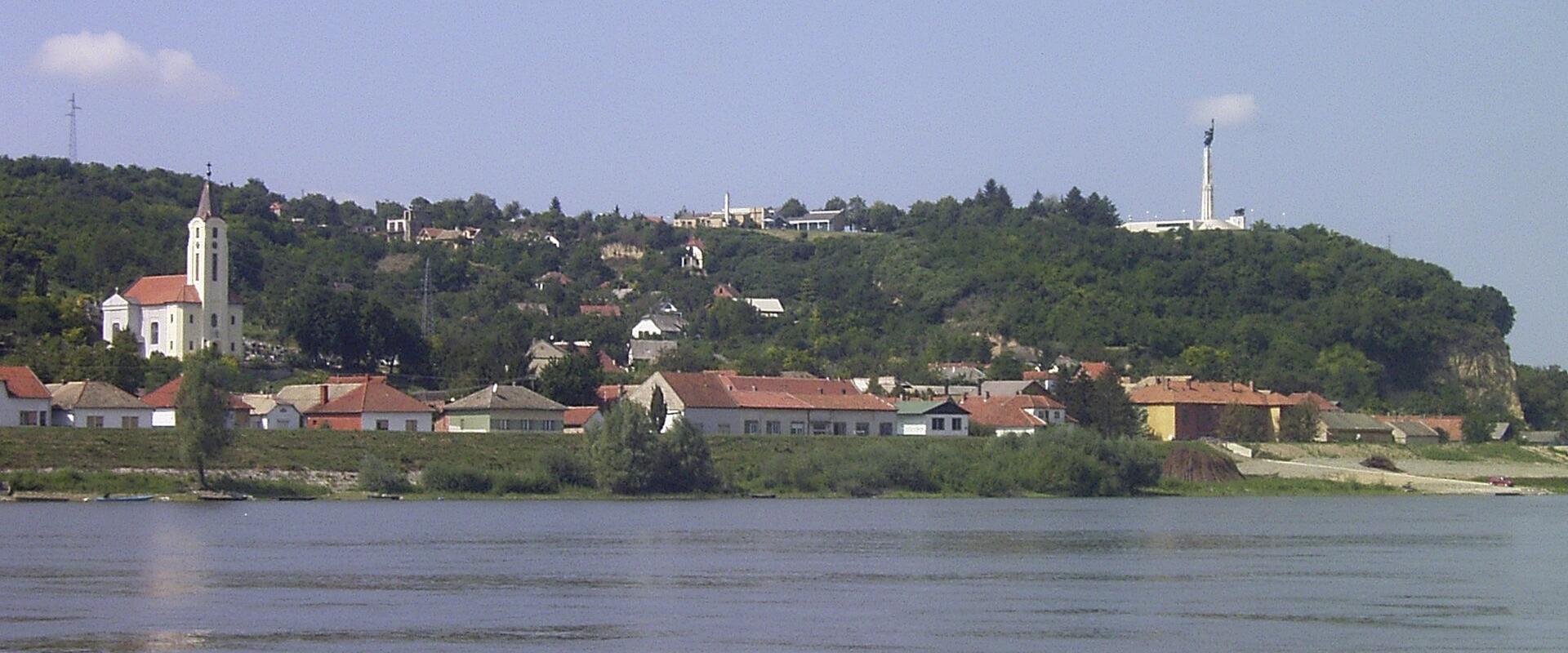
Batina’s history is shaped by its strategic location on the Danube, which has served as a crossroads for trade, migration and conflict for centuries. A crossing point here linked Baranja with the lands on the other bank, and in different periods the village was a ferry stop and a border post. The village gained international significance during World War II as the site of the Battle of Batina, a major clash between Soviet and Axis forces in 1944, when the Red Army forced a crossing of the river on its way into Central Europe. The Monument to the Battle of Batina, perched on a hill overlooking the river, is the village’s most iconic landmark. The memorial complex includes a dramatic sculpture, panoramic viewpoints and the Batina Memorial House, which holds exhibits on the battle and the region’s wartime history. The Victory Memorial itself is a striking piece of postwar sculpture, and on clear days the view from the hill takes in the Danube, the plain and the border country beyond.
The Military and War History Museum in the village offers a compelling journey through centuries of military history in the region. It is a small collection but gives context to the monument, with uniforms, weapons and photographs. Visitors with an interest in history can combine the museum, the monument and the memorial house in a morning, and the whole group of sites is within easy walking distance.
The village itself is peaceful and welcoming, with traditional houses, quiet lanes and a strong sense of community. The Caffe & Wine Bar Barrique and other wine bars with terraces, together with local wineries, offer tastings of Baranja’s renowned wines, while the surrounding countryside is dotted with vineyards, orchards and meadows. Hiking and cycling trails wind through the hills and along the riverbanks, offering routes for all levels and chances for birdwatching, photography and picnicking. The nearby Duna-Drava Nemzeti Park, across the border in Hungary, and the Eco Center Golden Beam provide additional options for nature walks, wildlife observation and educational programs. Families with children will enjoy Park Miki Zoo, a small animal park that is easy to add to the day.
Cultural life in Batina is lively, with festivals, concerts and community events celebrating local music, cuisine and traditions. Restaurants and guesthouses serve hearty Baranja dishes, homemade bread and pastries, best enjoyed with a view of the river or vineyards. Fish stew cooked over an open fire is a regional speciality, and the strong paprika flavors are typical of the cooking of the area. Local markets and food festivals show the flavors of the region, which makes Batina a good stop for food and wine lovers.
Getting to Batina is straightforward. The village is accessible by road from Osijek, about 40 km away, from Beli Manastir and other regional centers, with public buses connecting it to nearby towns. Parking is available in the village and near the memorial complex. Accommodation options include guesthouses, rural homestays and small hotels in Batina and the surrounding area, providing a comfortable base for exploring Baranja.
The best time to visit Batina is from May to June and September to October, when the weather is pleasant, the vineyards and wetlands are lush and outdoor activities and local festivals are in full swing. Spring and early autumn offer mild temperatures and beautiful scenery, suited to sightseeing, hiking and the relaxed pace of village life. Whether you are interested in history, nature or rural traditions, Batina offers an authentic and memorable Baranja experience.
Best time to visit
May to June and September to October offer pleasant weather, lush scenery, and ideal conditions for sightseeing, hiking, and enjoying local festivals and river views.
What to see in Batina
Our picks first.
Batina by interest
The same sights, grouped by what you came for.
Did you know?
Checked facts about Batina, each with its source.
-
History
Batina's Victory Monument Marks a 1944 Battle
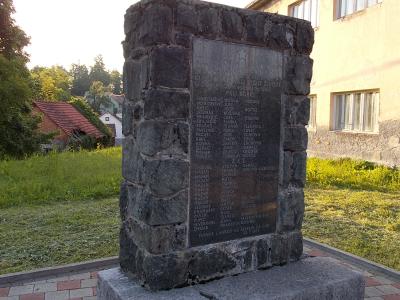
On the hill above Batina stands a monument by sculptor Antun Augustinčić, unveiled on 9 November 1947, to the Red Army and Yugoslav Partisan soldiers killed in the Battle of Batina, fought for the Danube crossing here from 11 to 29 November 1944. Its tall pillar is topped by a figure of Victory.
Source: Spomenik Database
Planning a visit to Batina
Good to know
- Currency
- EUR
- Language
- Croatian
Quick Facts
Book your stay
Questions people ask
More places in Baranja
Baranja
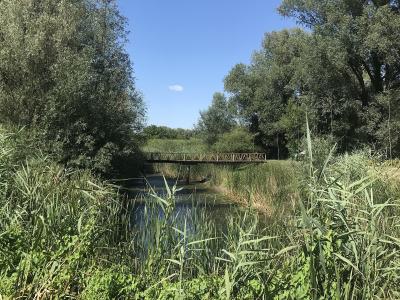
Kopački Rit Nature Park
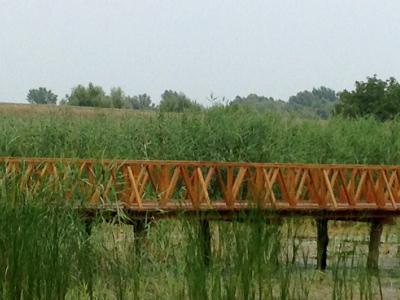
Lowland wetland between the Drava and Danube
Baranja
Baranja
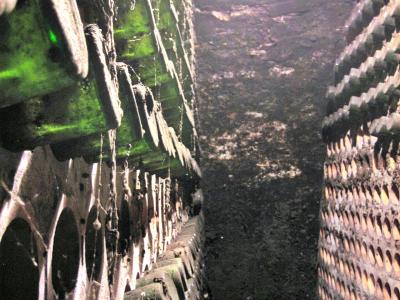
Wine region known for fertile lands and nature
Baranja
Baranja Wine Road
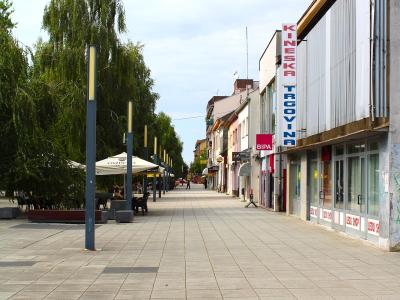
Scenic wine route through Baranja’s vineyards and villages
Baranja
Beli Manastir
Baranja’s main town with multicultural heritage and wine routes