




Beneath the Sun: Unearthing the Imperial Undercity
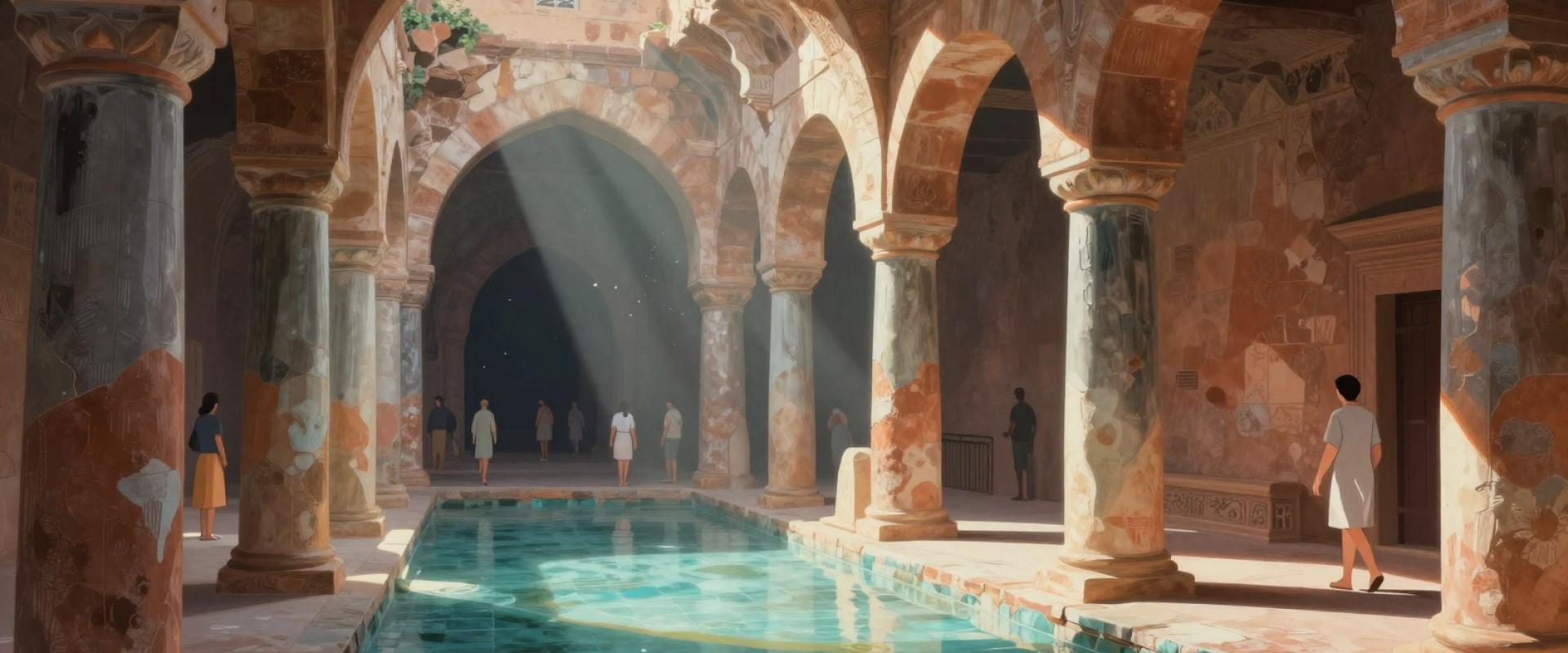
While the Peristyle Square draws thousands into its blinding midday glare, the true soul of Diocletian’s Palace lies hidden in the cool, shadowed vaults below. These substructures reveal a Split built on stone rather than sand, offering a stark, grounding contrast to the surface-level tourism. As you descend, you walk through vast halls that once bore the immense weight of the Emperor’s luxurious apartments above. Here, Roman engineering prioritized function over flourish. These spaces were not designed for daily living but served as the structural backbone and storage facilities for the imperial household.
After centuries of accumulating debris and silt, careful archaeological excavations uncovered this subterranean maze. Today, the Basement Halls function as a dynamic museum and exhibition space. Local artists frequently utilize these ancient, soot-stained walls for contemporary displays, creating a fascinating dialogue between the 4th century and the present day. This restoration effort has made the area accessible again, providing a tangible link to the past that the noisy streets above simply cannot match.
Exploring these depths offers a quieter, more contemplative experience. The air is consistently cool, and the silence allows for a genuine connection to history. I recommend visiting early in the morning or late in the afternoon to avoid the midday rush. The atmosphere remains respectful and profound, inviting you to see the literal foundation of Diocletian’s legacy. It is a necessary detour for any traveler seeking depth beyond the typical guidebook highlights.
Step into the cool, damp air of the substructures, where the weight of history presses down from above. These vast underground chambers, carved from the bedrock in the 4th century AD, were built to support Diocletian’s opulent upper residences. The transition is immediate. One moment you are in the bustling square; the next, you are enveloped in a quiet, vaulted labyrinth. Roman engineers prioritized utility here, constructing massive stone corridors that once housed vital infrastructure and storage.
Many visitors recognize these chambers as King’s Landing from Game of Thrones. Yet the true story predates fantasy television by fifteen centuries. This is not just a set piece. It is a grounded, tangible slice of Croatian heritage that demands attention on its own terms. The acoustics change the experience significantly. Footsteps echo softly against ancient walls, a gentle reminder of the centuries this space spent in silence after the palace fell into disrepair.
The precision of the masonry remains striking today. You can still see how these halls bore the crushing weight of the apartments above while keeping essential systems hidden from view. It is raw, functional beauty. After falling into neglect, the palace was reborn. Today, these restored halls host rotating art displays and cultural events. They offer a layer of Split that most tourists glide right past. Exploring this maze provides a direct link to the Roman era, far removed from the modern crowds. The sheer scale of the construction invites quiet reflection. Each arch and pillar testifies to Diocletian’s ambition. It is a place to pause, breathe, and appreciate the endurance of Roman architecture in Dalmatia.
The Vertical Connection: From Crypt to Peristyle
The sun beats down on Diocletian’s Peristyle Square, where towering marble columns cast long, sharp shadows across the stone. You stand above the palace’s hidden heart, often unaware of the engineering marvel resting directly beneath your feet. This vertical relationship defines the site’s architecture. The basement halls were not mere afterthoughts; they were the essential support system for the Emperor’s residential quarters for centuries.
Built to bear immense weight, these substructures originally served as storage and utility spaces for the imperial court. Today, their vaulted chambers host art displays and cultural events rather than grain or wine. I recommend experiencing the scale above first. The open sky provides essential context for the enclosed coolness below. Descending into the stone corridors reveals the spatial logic of 4th-century AD construction. The contrast between the blinding surface heat and the shaded vaults is striking.
Observing the ceilings closely, you notice unique acoustics that echo with a quiet, hollow resonance. Do not rush this underground tour. Take time to appreciate how ancient Roman engineers solved complex structural challenges using simple, robust materials. Access points are clearly marked directly beneath the Peristyle. Check the official Split tourism website for seasonal ticket rates, as prices fluctuate. Wear comfortable shoes for the uneven stone floors. This practical preparation ensures a smoother exploration of a tangible lesson in history. The experience connects you directly to the construction era. You will see how the luxurious apartments above relied on these utilitarian foundations below. This layered perspective enhances any visit. If you need help planning the route or booking tickets, I can assist with timing and details. Enjoy the depth of history in Split.
Your Guide to the Depths: Choosing the Right Expert
Diocletian’s Palace isn’t just a place to wander. Its subterranean halls demand context. You cannot appreciate the vaulted chambers that once held the Emperor’s residence by glancing at them. Self-exploration offers freedom, but it often misses the engineering marvels hidden in the stone. Generic tours frequently skip the basement entirely, missing the point of the site’s structural significance.
Specialized guides reveal the restoration efforts that cleared centuries of debris. Look for experts with backgrounds in Roman history or local heritage. They explain how these vast underground chambers functioned as storage and support structures. Prices vary by operator. Check current rates on the official Split tourism website before booking. This small step enhances your entire visit. Petra Tomić suggests verifying credentials to ensure quality. Your time in Split is valuable. Make it count with expert insight.
Book your slot in advance. This ensures access to museum spaces hosting art displays and cultural events. Tailor the experience to your interest in ancient Roman engineering. The difference between a guided tour and wandering alone is clarity. You will understand the site’s significance. I can assist you in securing a knowledgeable professional for your itinerary. This ensures a seamless and educational experience in the depths of Diocletian’s Palace. Reach out if you need help finding a qualified guide.