


Charting the Dinaric Backbone
Beneath the azure expanse of the Adriatic lies a hidden world of jagged limestone spires and deep gorges: the Dinaric Alps. This is not the postcard-perfect coastline most visitors imagine. It is a wild, ancient interior where the earth feels alive and indifferent to human presence. For those hiking the Croatian Long Distance Trail (Hrvatska duga udaljenost staza), the journey is defined by its stark beauty and its challenges.
The trail is marked by the distinctive white-red-white stripes painted on rocks and trees, but relying on them alone is a mistake. The karst terrain is deceptive; a single wrong turn on the pale, rocky ground can send you miles off course into unmarked wilderness. Keep your eyes sharp. The markers are your lifeline, but they are often faint, obscured by moss or fallen debris.
Preparation here is not a suggestion; it is a survival requirement. The limestone is notoriously sharp and slippery, acting like glass when wet. Sturdy, broken-in boots with aggressive tread are non-negotiable to protect your ankles from twists and cuts. Water sources are scarce and often seasonal. Carrying a high-quality filter is essential, as drinking from stagnant pools or unclear streams can lead to severe illness. Weather, too, is volatile. Clear skies can vanish into violent thunderstorms within minutes, so packing for rapid temperature drops and heavy rain is crucial.
This environment rewards respect. You will encounter stone refugios scattered along the route. These are not hotels; they are basic shelters. Treat them with care, leaving them clean for the next weary traveler. Embrace the solitude. There is a profound peace in walking through landscapes untouched by mass tourism, where the only sound is the wind rushing through the pines and the crunch of your boots on stone.
Summiting Dinara and the Paklenica Labyrinth
The Sastavci trail demands humility. It climbs steeply toward Mount Dinara, the highest peak in Croatia at 1,831 meters. This is a grueling vertical challenge that tests your endurance and mental fortitude. Before attempting this ascent, scrutinize the weather forecast with extreme caution. The Dinaric Alps are notorious for sudden, violent storms that can arrive without warning, turning a scenic hike into a dangerous ordeal.
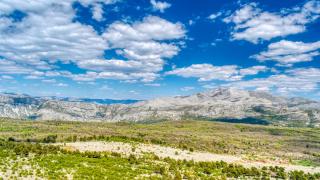
Begin your journey in Starigrad Paklenica, a gateway town where you can secure reliable gear and stock up on supplies. From there, the trail winds through the rugged interior, offering glimpses of the vast karst landscape. The ascent is relentless, but the view from the summit—a 360-degree panorama of endless limestone ridges—justifies every step.
After conquering Dinara, the landscape transforms. You descend into the labyrinthine canyons of Paklenica National Park. Velika Paklenica (Great Paklenica) is a maze of towering limestone walls and narrow passages. Navigating these formations requires focus and steady footing. Standard sneakers offer zero grip on the smooth, weathered stone; only proper hiking boots provide the necessary traction.
Water filtration becomes even more critical in these canyons, as surface streams are rare and often hidden in deep crevices. Do not risk your health by drinking untreated water. The physical exertion of these days will leave your body craving rest. The transition from the exposed, high-altitude ridges to the sheltered, green valleys below provides a necessary pause. It is a moment to recover, reflect, and prepare for the next leg of your journey through this untamed terrain.
Sleeping Under the Stars: The Refugio System
Croatia’s mountain huts, known locally as planinarski domovi, offer a rustic refuge for hikers seeking a break from the trail. These shelters provide simple bunk beds, shared kitchen facilities, and a sense of community among travelers from around the world. However, securing a spot requires foresight. During the peak summer months, these huts fill up rapidly, often weeks in advance. Planning your itinerary months ahead is essential to ensure you have a place to rest.
Inside, the atmosphere is warm and communal. You will find basic bedding and hot meals that foster genuine connections with fellow adventurers. Sharing a meal and a story around a communal table is a highlight of the trail experience, breaking the isolation of the long days on the path.
Cash is king in these remote locations. Many shelters lack the infrastructure to accept credit cards, so carrying sufficient kuna is mandatory. This system supports sustainable tourism by maintaining the huts and connecting you with others who share your passion for the outdoors. It transforms a simple night’s sleep into a memorable social experience, grounded in the shared respect for the natural environment.
Armor for the Limestone: Gear and Safety
The jagged limestone of the Dinaric Alps demands respect. Sturdy hiking boots with aggressive tread are non-negotiable for navigating surfaces that are both razor-sharp and notoriously slippery. The karst landscape is unforgiving, and proper footwear is your first line of defense against injury.
Wildlife adds another layer of caution to your preparation. Bears inhabit the deep, dense woods that flank many trails. Maintaining situational awareness is critical. Store food securely in bear-proof containers or hung properly, and make noise while hiking to avoid startling them. This awareness extends to the sky itself. Mountain weather can shift from clear skies to violent storms with terrifying speed. A simple forecast check is insufficient; you must learn to read the environment for signs of rapid change, such as lowering cloud ceilings or sudden drops in temperature.
Proper preparation transforms potential hazards into manageable challenges. With the right gear in your pack and a flexible mindset, the climb becomes less about survival and more about immersion in the raw, untamed landscape. The Dinaric Alps are not just a place to visit; they are a force to be experienced. Respect their power, and they will reward you with some of the most breathtaking vistas in Europe.